
info@jdwindscreens.com.au



A Guide to Car Side Windows: Types, Glass Options & Replacement Considerations
JD Windscreens • January 2, 2026
Side windows often look like simple flat panels that move up and down when you press a switch. Still, once a window shatters during a break-in, cracks after an impact, or refuses to move because something inside the door failed, most drivers realise that “side glass” is actually a category that includes several different parts with different shapes, different mounting points, different tint options, and very different replacement steps depending on the vehicle.
In this guide, you’ll learn the main types of side window replacemnt found on modern cars, what type of glass is typically used for side windows, how front door glass differs from rear door glass and quarter glass, why tinted glass is not always the same thing as tint film, and how manual versus power window mechanisms can change what a replacement appointment involves, especially if the regulator, track, or motor was damaged when the glass broke.
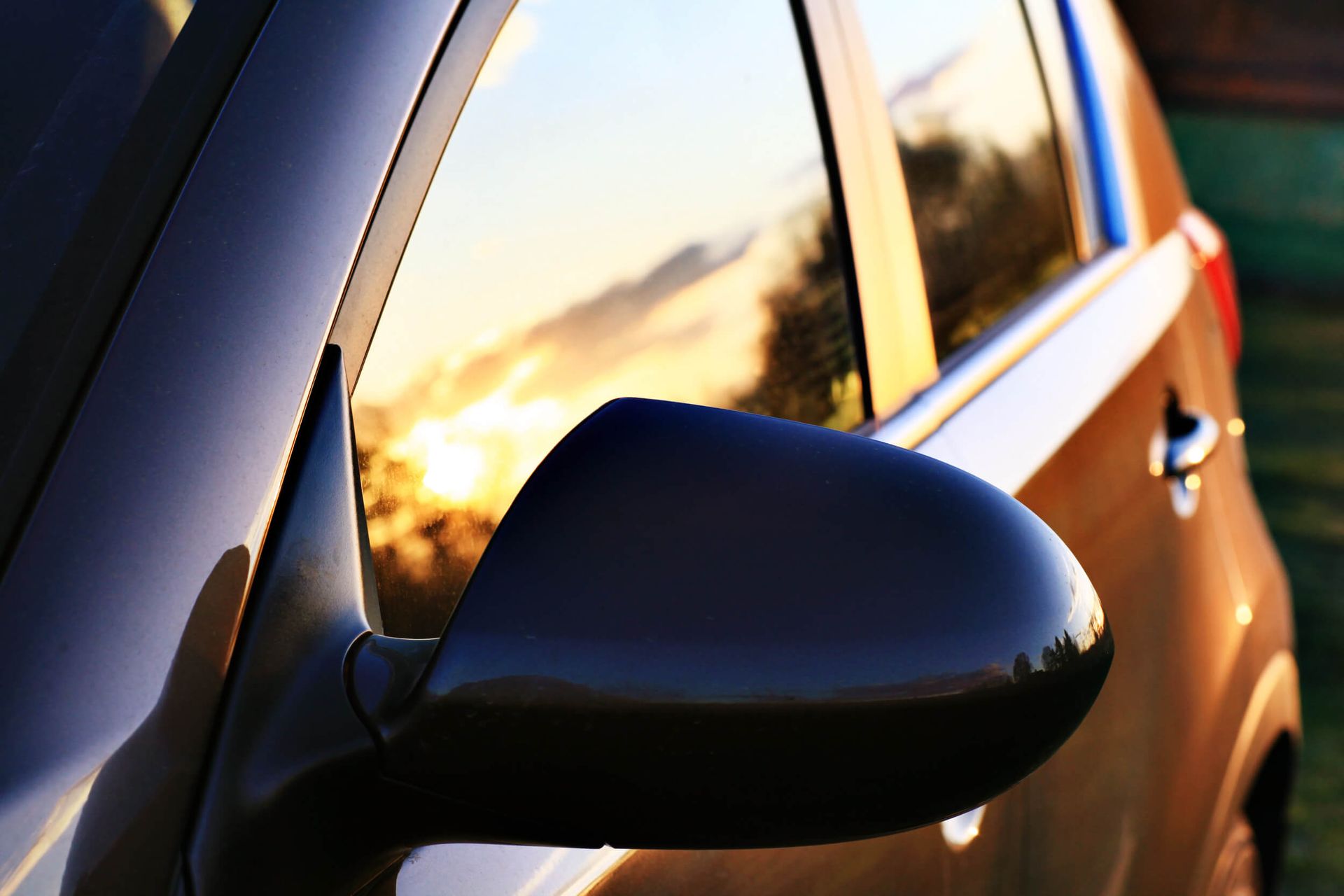
What counts as a side window on a car?
When people say “side window,” they usually mean any glass that sits on the left or right side of the cabin and provides visibility, ventilation, and protection from weather, which includes the front door window glass, the rear door window glass on vehicles that have rear doors, and smaller fixed pieces like quarter glass that often sit behind the doors or near the rear seating area.
This definition matters because a side window can be a movable piece that rides inside a door on tracks and attaches to a regulator, or it can be a fixed, bonded panel that is sealed into the body. Those two designs require completely different labour steps, cleanup processes, and alignment checks when the glass is replaced.
What type of glass is used in car side windows?
In the United States, car side windows are generally made from safety glass, and the most common type used for side windows is tempered glass, because tempered glass is designed to break into many small, less-sharp pieces instead of long, dangerous shards, which reduces the risk of severe cuts during a collision or a sudden break.
That said, laminated glass can also be used in some side window positions on certain vehicles or trims, and while laminated glass is historically associated with windshields, it can appear in side windows when manufacturers choose it for specific performance reasons, which is why you should confirm what your vehicle uses rather than assuming every side window is tempered.
Tempered vs laminated side glass
Tempered glass and laminated glass are both safety products. Still, they behave very differently when damaged, and that difference affects what you see at the scene, what cleanup is required, and what the replacement process looks like once the broken glass is removed.
- With tempered glass, the window often shatters suddenly into many small cube-like fragments, which means the door cavity, window channel, seat seams, and floor mats can end up loaded with small pieces that must be removed thoroughly, or they can cause future rattles, scratching, or drainage problems inside the door.
- With laminated glass, the window may crack in a web pattern and remain partially held together by the inner layer, which can look “less dramatic” than a full shatter but can still be unsafe and can still interfere with movement if the cracked panel binds in the channel or warps slightly.
- With either type, correct matching matters because modern door glass can include specific holes, notches, edge treatments, and thickness profiles that are designed to work with particular clamps, run channels, and seals.
- With either type, replacement quality depends on proper alignment because a side window that is even a little off can cause wind noise, water intrusion, or uneven pressure on the mechanism, which can shorten the life of regulators and guides.
- With tempered glass in particular, a professional-level cleanup inside the door is critical because leftover fragments can jam the regulator, chew up the window channel, or clog door drains, which can lead to water pooling and electrical problems later.
- With laminated side glass, handling and removal can take a different approach because the panel may not fall apart into loose fragments, which means the technician may be removing a “still-connected” cracked sheet rather than scooping out small pieces.
Manual vs electric side windows: what changes during replacement?
A side window replacement job can be as simple as installing a correct piece of glass and ensuring it slides smoothly. Still, the complexity increases when you consider the mechanism that moves the glass, because manual windows and power windows use different systems and fail in different ways after impact, wear, or contamination from broken glass. With manual windows, the glass attaches to a mechanical regulator controlled by a hand crank, and while you can still have worn guides or damaged regulators, the system generally has fewer electrical variables, which often makes diagnosing a won’t move problem more straightforward once the door panel is removed.
With power windows, the glass still rides on a regulator. Still, the regulator is driven by a motor and controlled through switches and wiring, which means a replacement appointment may include both glass installation and a check for damaged regulator cables, jammed tracks, strained motors, broken clips, or electrical issues that surfaced because the door took an impact when the window broke.
When you should book a side window replacement
If your side window is shattered, cracked, or no longer seals correctly, replacement is usually the safest and most practical choice because compromised side glass can leave you exposed to weather, road debris, and theft while also creating a distraction and a comfort problem every time you drive.
You should contact
JD Windscreens quickly if the window won’t close fully, if the glass is loose in the door, if the window moves crookedly and jams, if you hear grinding or scraping when operating it, or if you notice water intrusion or loud wind noise after an impact, because these symptoms often indicate that the problem involves not only the glass but also the channels, guides, seals, or regulator system.
Frequently Asked Questions FAQs
What type of glass is used in car side windows?
Car side windows are typically made from tempered safety glass, which is designed to shatter into many small pieces rather than forming long, sharp shards, although some vehicles and trims may use laminated side glass in certain positions, depending on design choices and comfort or security goals.
Are side windows tempered or laminated?
Most side windows are tempered, but some vehicles use laminated glass on the sides, so the most reliable approach is to check the window’s etched markings and confirm the exact specification for your vehicle rather than assuming the side glass is always one type.
Is a quarter glass the same as a rear door window?
Quarter glass is not the same as a rear door window, because a rear door window is the glass that moves inside the rear door on a regulator system. In contrast, quarter glass is a separate panel that is typically smaller and often fixed in place near the rear side area of the vehicle.
Can you replace tinted side glass and keep the same shade?
You can usually keep the same overall look, but whether the shade matches depends on whether your tint was factory privacy glass (tint built into the glass) or aftermarket film (a layer applied to the glass), because replacing the glass removes film tint and may require re-tinting to recreate the same darkness and appearance.
Does a power window regulator need replacing when the glass breaks?
A power window regulator does not automatically need replacement when glass breaks, but the impact that shattered the window and the debris that falls into the door can damage the regulator, strain the motor, or jam the tracks, which is why a proper replacement includes checking window travel, alignment, and smooth operation after new glass is installed.
Get Your Side Window Replacement Today!
If your side window has shattered, cracked, stopped moving properly, or is allowing wind and water into the cabin, the most practical next step is to book a side window replacement appointment with JD Windscreen, because continuing to drive with damaged side glass can quickly create safety, security, and internal door mechanism issues. Contact us for alignment, sealing, and complete removal of any broken glass fragments.
More Windshield Cleaning Tips, Tricks & Tools
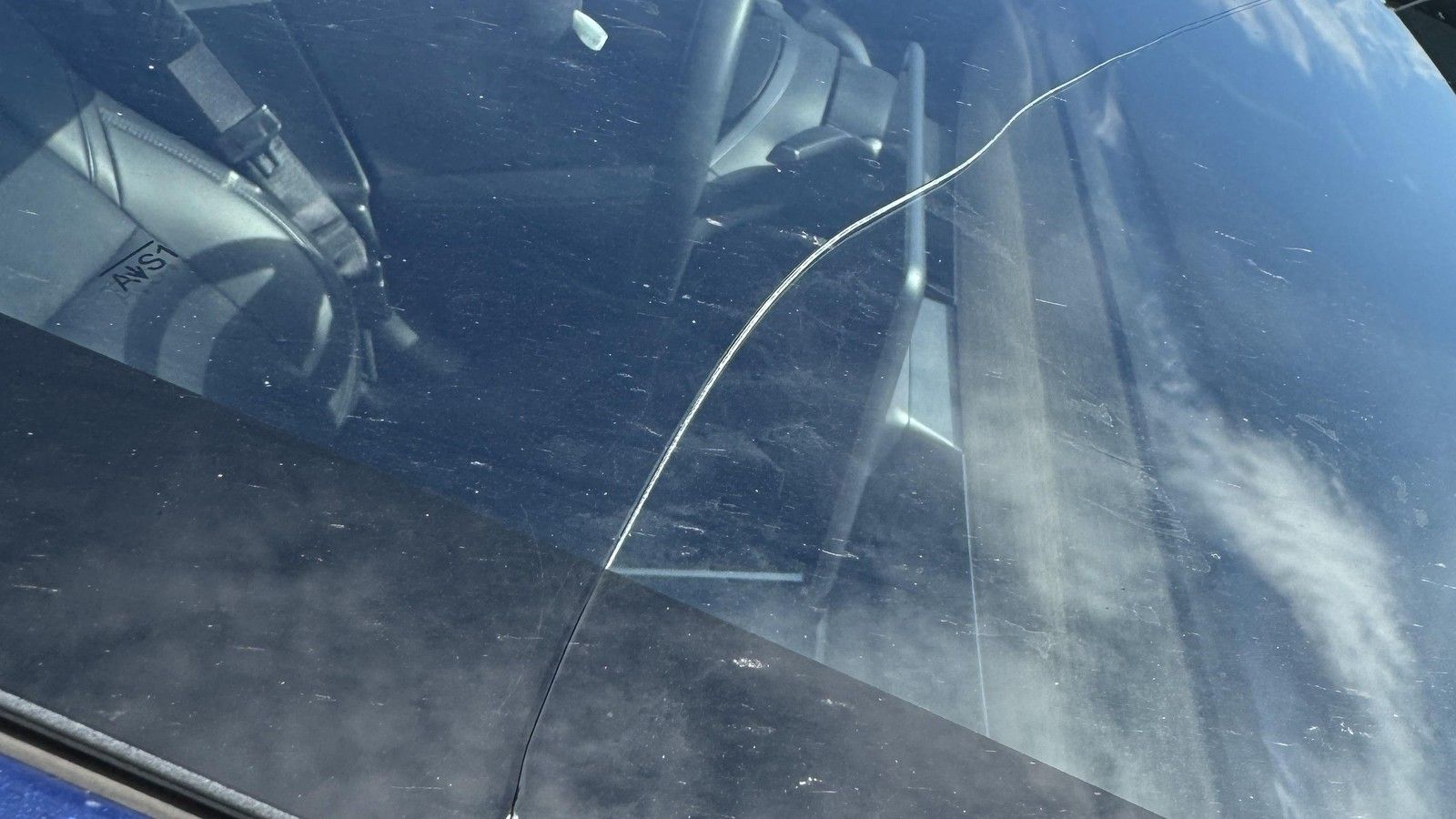
Can you drive with a cracked windscreen in Australia? Learn state laws, fines, roadworthy rules and insurance facts. JD Windscreens explains it all.
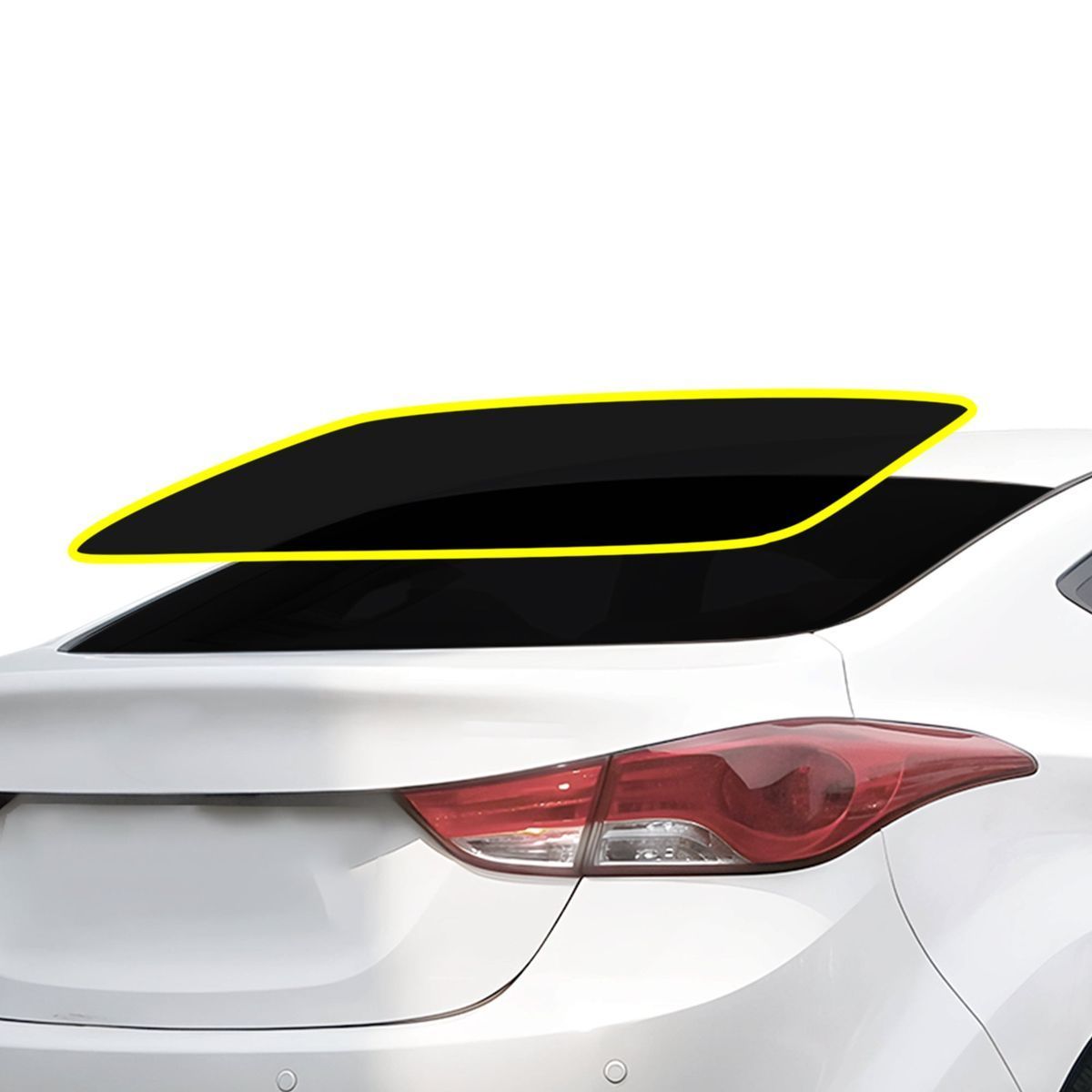
Australia has some of the highest UV levels in the world. Learn how UV and heat-rejection window tinting works, which film type suits your vehicle and how tinting affects windscreen replacement.
Rear window demister not working? Learn how demister lines work, why they fail, and when repair or replacement is the right fix. JD Windscreens can help.
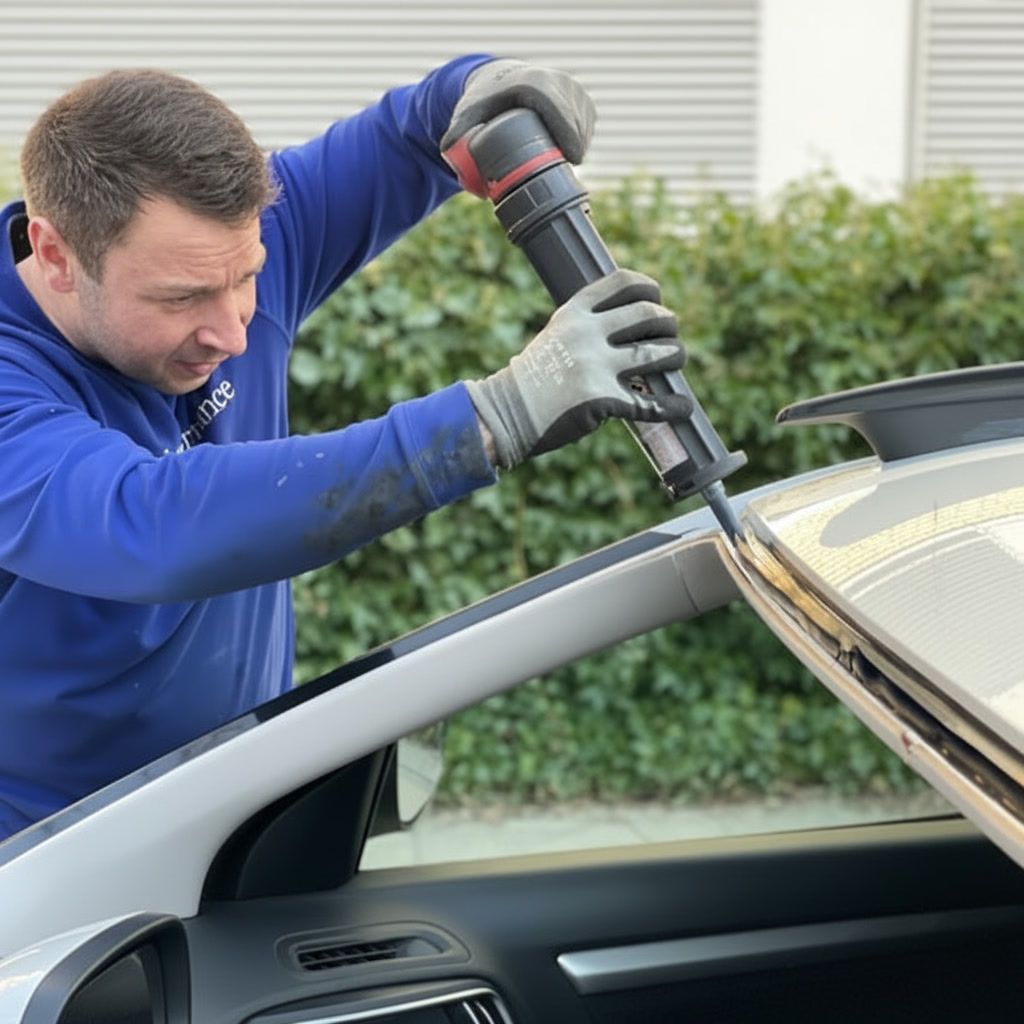
Compare OEM and aftermarket glass for Toyota and European windscreen replacement, including ADAS calibration, cost, safety, and glass choice.

Side window shattered? Learn quick steps to secure your car, use temporary fixes, handle insurance, and arrange fast replacement safely.
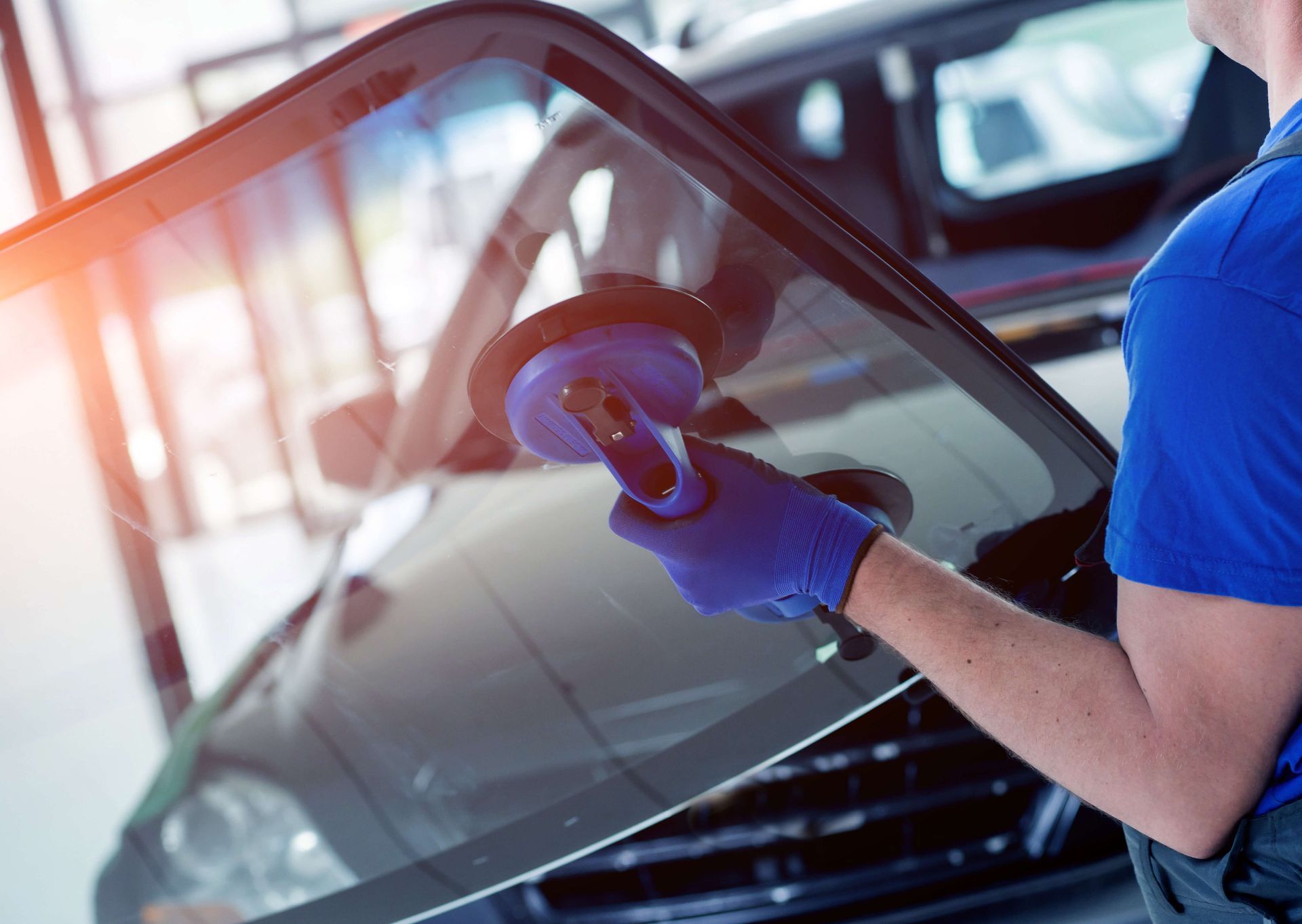
Need to know about windscreen replacement costs in Australia? JD Windscreen offers expert repairs & replacements for all vehicles. Get a free quote today!
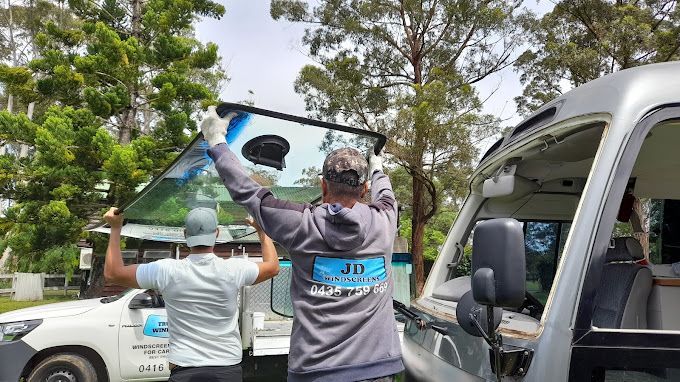
How long does windscreen replacement take in Wodonga? Timing by vehicle type, ADAS calibration, curing time, safety checks, and cost factors explained.
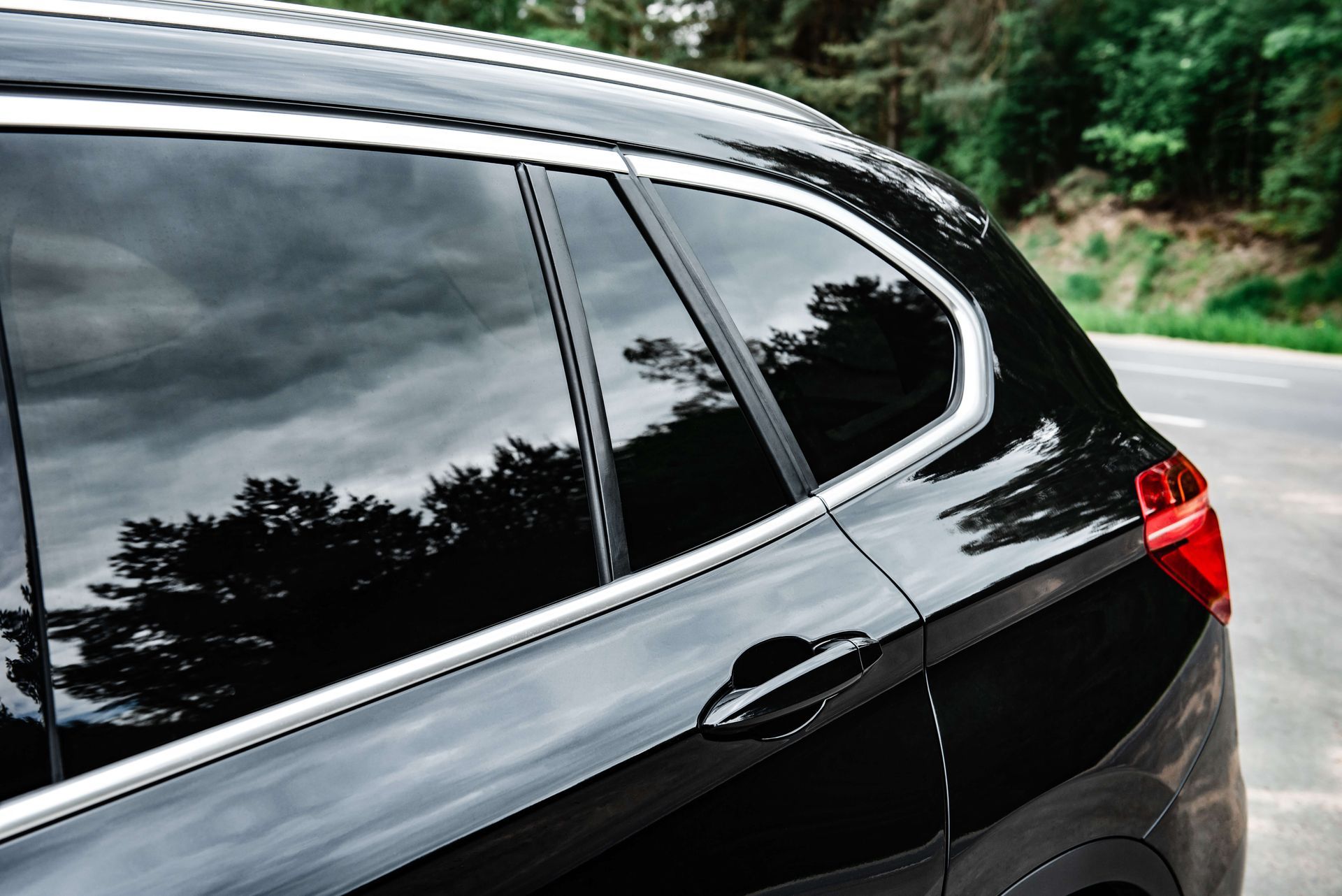
Mobile vs in-shop windscreen chip repair: which is faster, what changes total time, and how weather, moisture, access and curing affect the appointment.
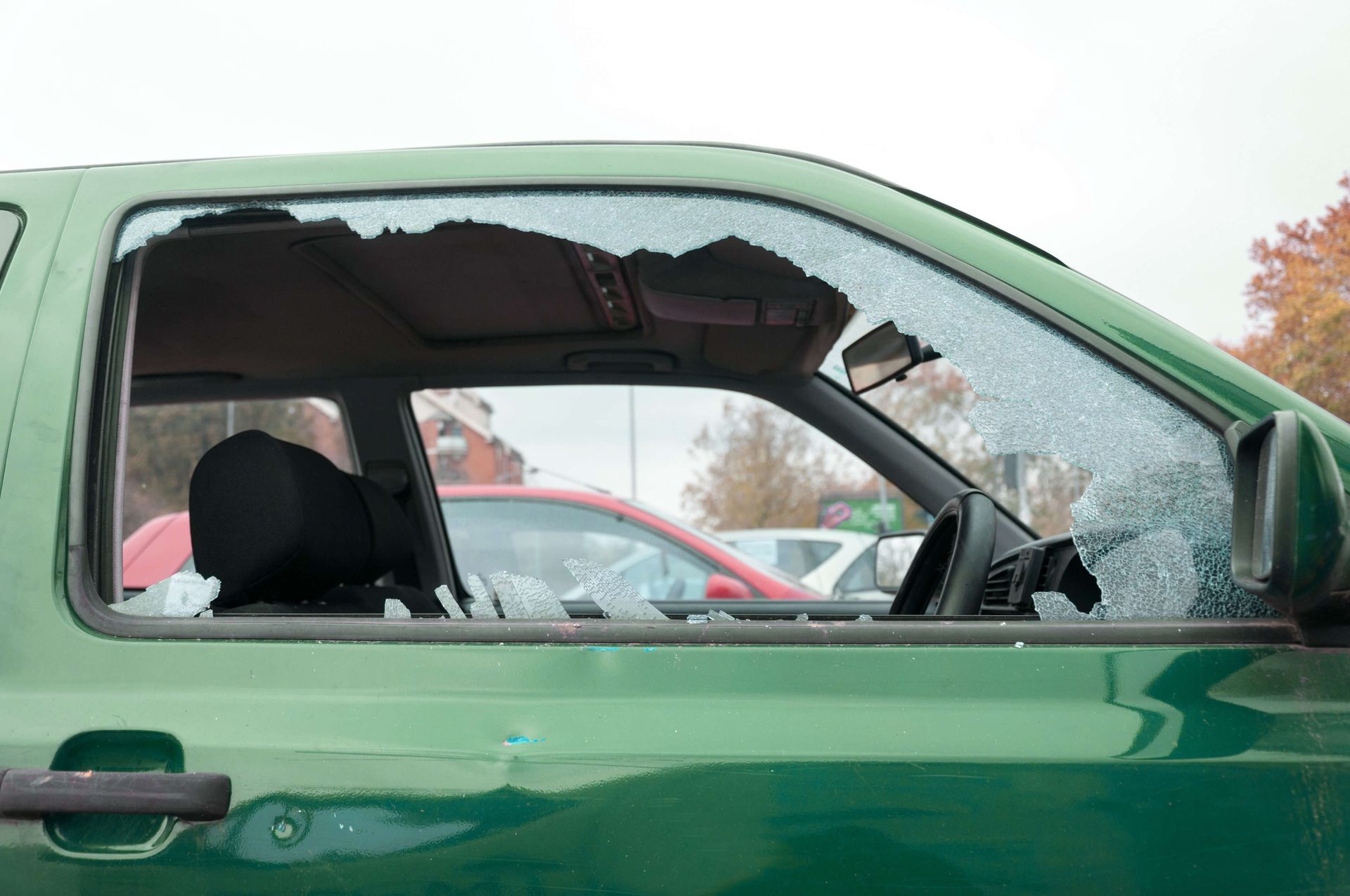
Driving with a broken side window is unsafe and often illegal. Learn the key risks related to a broken side windscreen, DIY steps you can take, and how professional service can help you.
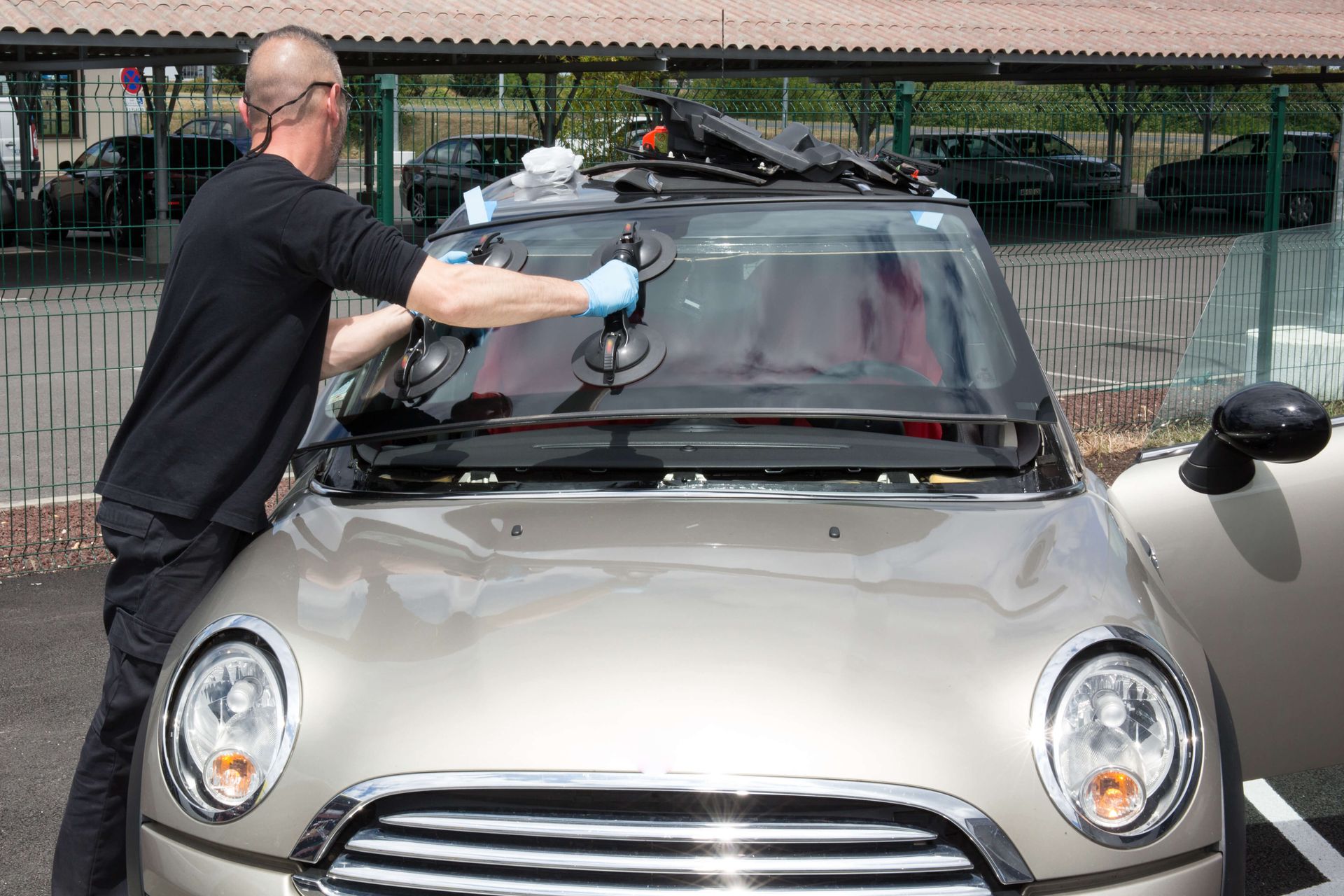
Unsure whether to pick OEM or aftermarket glass? Learn which windscreen suits your car’s safety, sensors, and budget, and how JD Windscreens can help.