
info@jdwindscreens.com.au



How Long Does a Windscreen Replacement Take? Timing by Vehicle, ADAS Calibration, and Safety Checks
JD Windscreen • March 1, 2026
If you are arranging a windscreen replacement, the first question you usually ask is not about adhesives or glass specifications, but simply how long the process will take, whether you can wait onsite or need alternative transport, and at what point the vehicle is genuinely safe to drive without risking movement of the glass, seal failure, wind noise, or malfunctioning safety systems that rely on the windscreen for proper alignment.
The reality is that the time required for a windscreen replacement varies depending on several important factors, including the vehicle’s make and model, the size and complexity of the glass, whether the vehicle is fitted with Advanced Driver Assistance Systems (ADAS), the condition of the surrounding trims and bonding area.
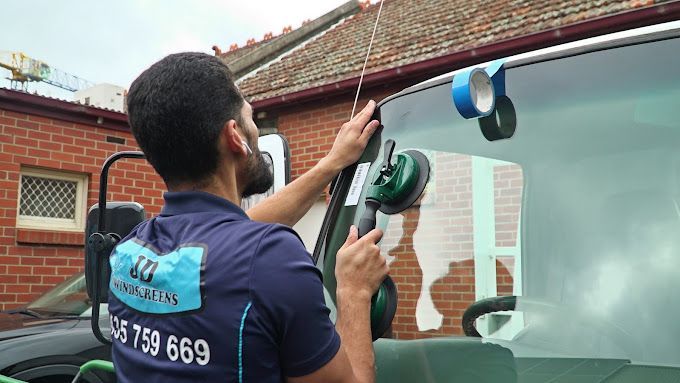
How Long Does a Standard Windscreen Replacement Take?
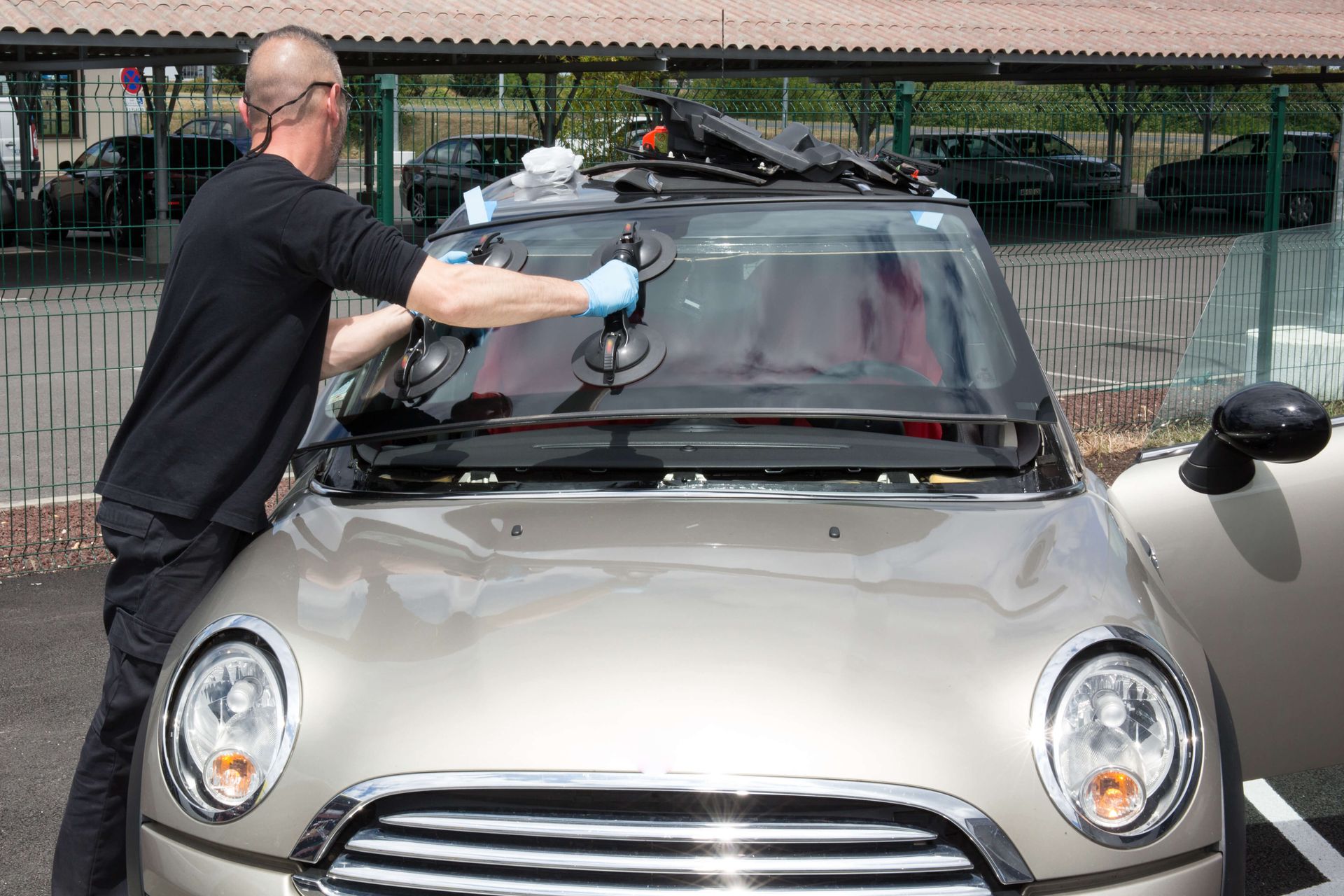
For many standard passenger vehicles without complex safety technology, the physical removal of the damaged glass and installation of a new windscreen can often be completed within a structured workshop appointment window. However, that visible part of the job is only one phase of the process.
A proper windscreen replacement includes:
- Careful removal of trims and mouldings
- Safe extraction of the damaged glass
- Cleaning and preparation of the bonding surface
- Primer and adhesive application
- Precise positioning of the new glass
- Reinstallation of trims and wipers
- Adhesive curing time
- Final inspection and safety verification
The adhesive curing stage is critical. Even if the windscreen is physically installed quickly, the vehicle should not be driven until the adhesive has reached a safe structural strength level. Temperature and humidity in Wodonga can influence cure times, especially in colder months.
Standard Timing for a Typical Windscreen Replacement
In many everyday passenger vehicles without complex sensor systems, the physical process of removing the damaged windscreen, preparing the bonding surface, and installing the new glass can be completed within a practical service window, but the job cannot be measured solely by installation time because adhesive systems must reach a safe drive-away strength before the vehicle is released.
Modern automotive adhesives are engineered to cure efficiently, but environmental conditions such as temperature and humidity influence curing speed, and installers must follow manufacturer guidelines to ensure that the bond between the glass and the vehicle frame provides the structural support required in the event of an accident, particularly because the windscreen contributes to roof strength and airbag deployment performance. For this reason, even when the installation itself is completed efficiently, safe drive-away time may extend beyond the physical fitting stage, and responsible service providers will always prioritise correct curing and inspection rather than rushing the vehicle back onto the road prematurely.
ADAS Calibration: The Step That Changes Everything
One of the most significant timing variables in modern vehicles is ADAS calibration, because many cars now have forward-facing cameras mounted directly to the windscreen that control features such as lane departure warning, autonomous emergency braking support, adaptive cruise control, and traffic sign recognition.
When a windscreen is replaced, the precise angle and positioning of the new glass can slightly alter camera alignment, which means calibration is often required to ensure the system interprets road markings and distance data correctly, and this calibration process may involve specialised equipment, static workshop alignment procedures, or even dynamic road testing, depending on the manufacturer’s requirements.
Calibration is not a cosmetic add-on; it is a safety-critical process, and failure to recalibrate when required can result in incorrect system behaviour, warning lights, or compromised driver assistance functionality, which is why vehicles equipped with ADAS may require additional appointment time compared to older models without these systems.
Windscreen Replacement Cost and What Influences Pricing
When searching terms like windscreen replacement cost, replacement car windscreen cost or car windscreen replacement cost, drivers are often surprised by how much variation exists between vehicles, but pricing differences are usually tied to glass specification, vehicle technology, and labour complexity rather than arbitrary mark-ups.
Factors that influence cost include the type of glass required (standard, acoustic, heated, tinted, or sensor-compatible), whether ADAS calibration is necessary, how complex the trim removal process is, and whether additional components, such as moldings or clips need replacing during the installation. Rear and side glass often differ in price as well, which is why searches like rear windscreen replacement, back windscreen replacement, or price of windscreen replacement should always be matched to the exact vehicle specification to provide an accurate quote rather than relying on general averages.
Trucks and Buses: Why Larger Glass, Different Access, and Commercial Downtime Planning
Truck and bus windscreens take longer in many cases because the glass is larger, heavier, and often fitted into systems designed for long operating hours and constant vibration, which means handling and positioning must be done carefully to avoid edge stress and to ensure durable sealing under harsh conditions. Access can also be more complicated because of height and body structure, and commercial operators often need scheduling that reduces downtime, which can change how appointments are arranged compared to passenger vehicles.
On heavy vehicles, correct sealing and fitment are critical because a small leak or wind noise issue becomes far more noticeable and costly when the vehicle is on the road for long shifts, and repeated vibration can magnify minor fitment problems into premature failure.
Truck & Bus Windscreen Replacement
focuses on matching heavy-vehicle specifications and delivering reliable sealing and fitment that holds up under commercial use, because in that environment, long-term durability matters as much as immediate completion time.
Civil Plant and Machinery Auto Glass Timing: Why Equipment Glass Is Often More Custom
Civil Plant & Machinery Auto Glass is about restoring safe operator visibility with durable fitment that suits industrial conditions, while planning the job so downtime is managed realistically and the equipment returns to service with secure glazing and reliable sealing. Plant and machinery glass replacement can be more variable than road vehicles because equipment often uses specialised glazing shapes, different mounting systems, and protective cabin structures that must be accessed safely, and the operating environment exposes the glass and seals to vibration, dust, debris, and impacts that require a durability-focused installation approach.
Scheduling can also be influenced by site access, equipment availability, and the cost of downtime, so the planning side becomes more important than people expect, especially when machines are revenue-critical and cannot be left idle for long without knock-on costs to a project timeline.
Frequently Asked Questions (FAQs)
1) How long does a windscreen replacement take from drop-off to safe drive-away?
The fitting itself may be completed within a workshop appointment window, but the true timeline includes surface preparation, bonding, and adhesive curing to a safe strength level, so the safe drive-away time depends on your vehicle and conditions.
2) Does ADAS calibration increase the time for windscreen replacement?
Yes, because vehicles with forward-facing cameras often require calibration after replacement so lane assist and braking support systems interpret the road correctly, and depending on the manufacturer.
3) What affects windscreen replacement cost and prices?
Pricing varies mainly due to vehicle make and model, the exact glass specification (such as acoustic or sensor-compatible glass), trim complexity, and whether ADAS calibration is required, which is why accurate quotes are based on your vehicle details.
4) Should I repair or replace my windscreen if it has a chip or crack?
Small chips may sometimes be repairable if they meet safety criteria and are addressed early, but spreading cracks, edge damage, and impacts in critical viewing or sensor areas usually require replacement to restore structural integrity and reliable visibility.
Contact JD Windscreens to Book Windscreen Replacement Service
If you’re ready to book a windscreen replacement, and you want a clear, realistic timeframe before you commit, the easiest way to get an accurate answer is to contact JD Windscreen with your vehicle make, model, year, and variant, and let us know whether your car has ADAS features such as lane assist or a forward-facing camera, because those details determine the correct glass specification.
We will help you with deciding the damage type, chip, spreading crack, full breakage, or edge damage and mention any symptoms you’ve noticed such as wind noise, water leaks, or wiper chatter.
More Windshield Cleaning Tips, Tricks & Tools
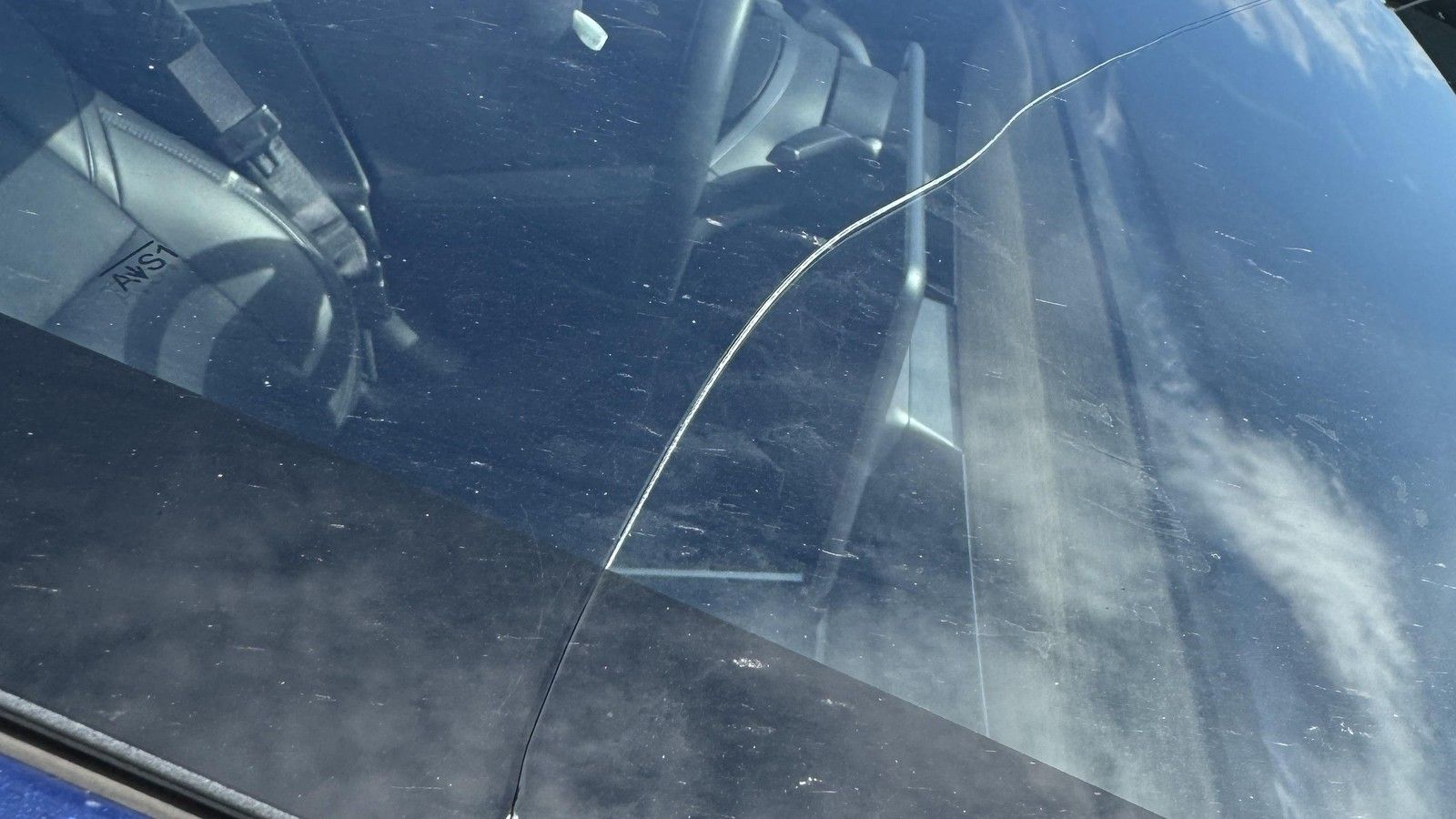
Can you drive with a cracked windscreen in Australia? Learn state laws, fines, roadworthy rules and insurance facts. JD Windscreens explains it all.
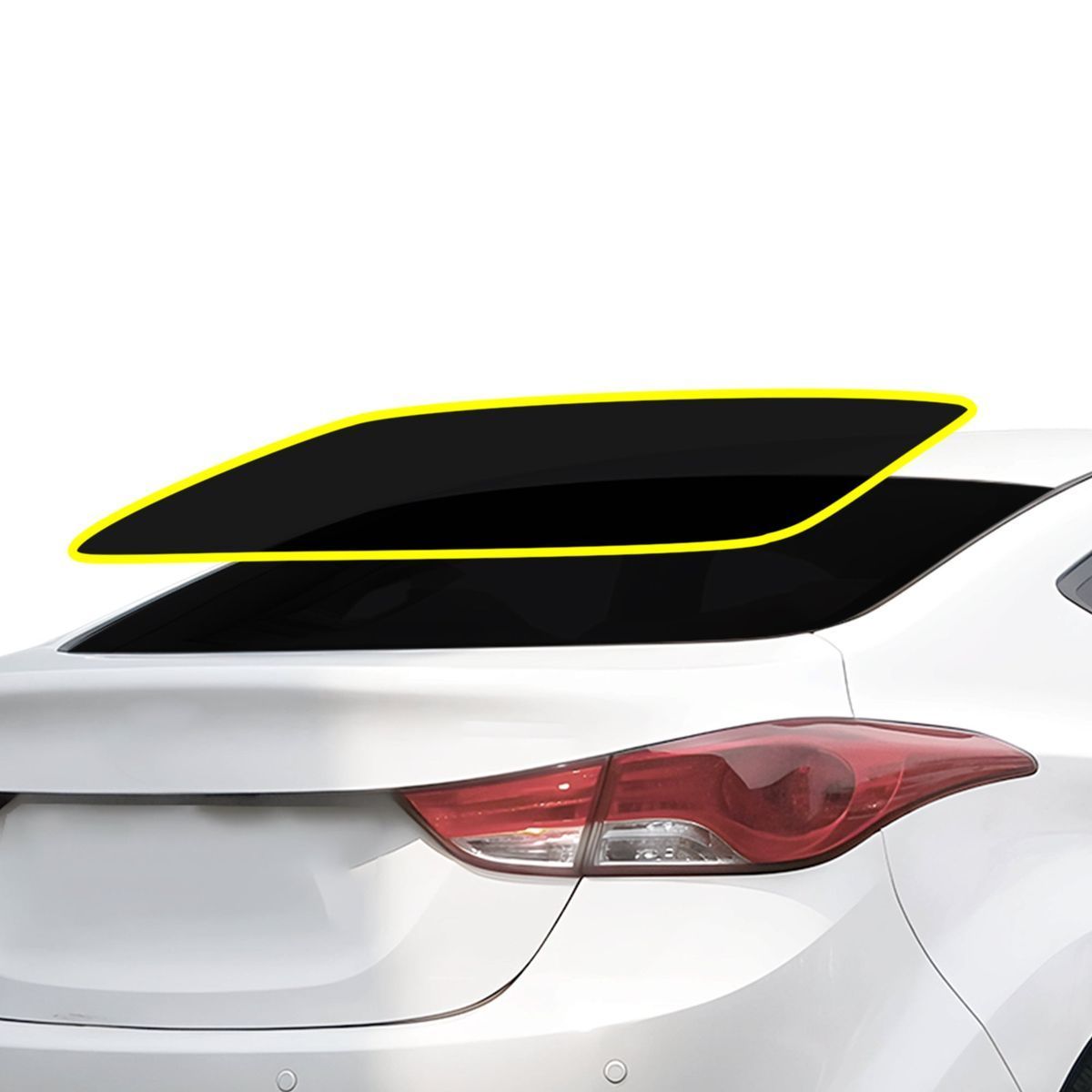
Australia has some of the highest UV levels in the world. Learn how UV and heat-rejection window tinting works, which film type suits your vehicle and how tinting affects windscreen replacement.
Rear window demister not working? Learn how demister lines work, why they fail, and when repair or replacement is the right fix. JD Windscreens can help.
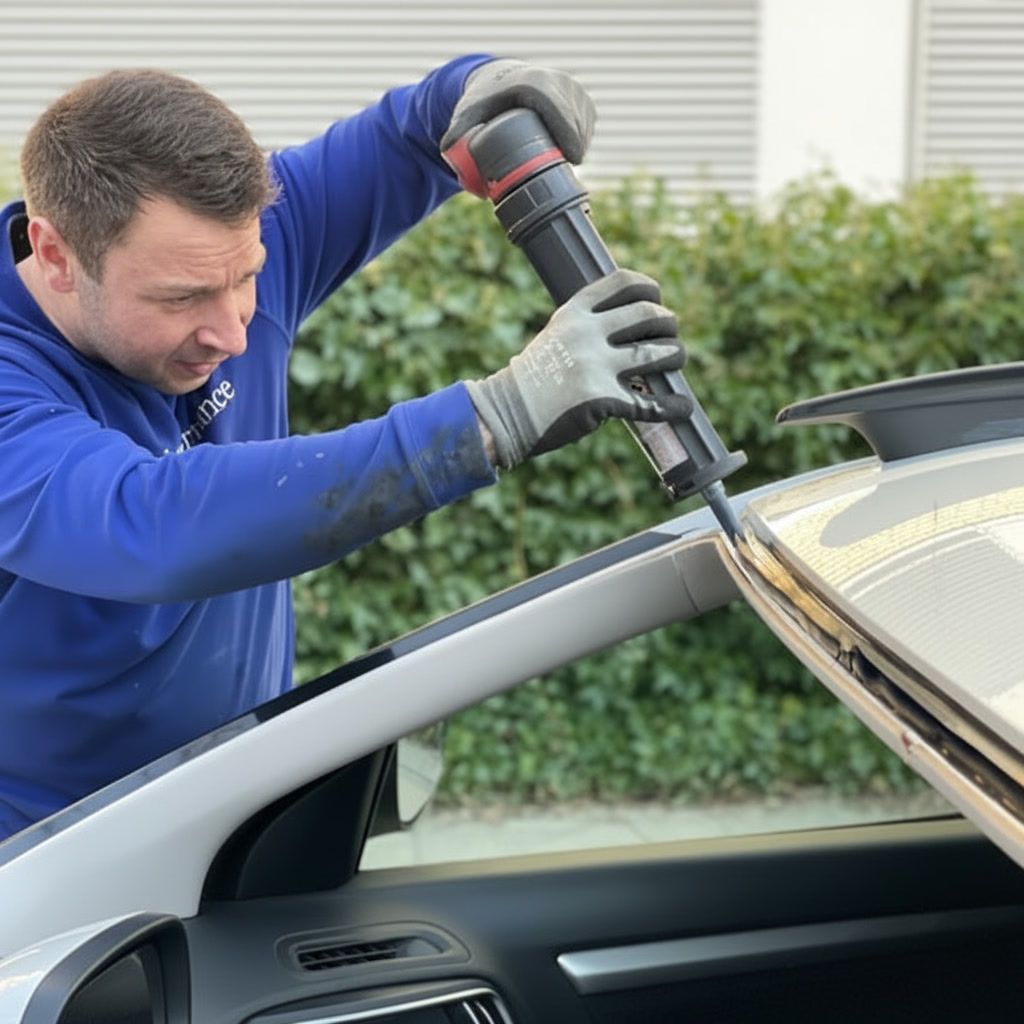
Compare OEM and aftermarket glass for Toyota and European windscreen replacement, including ADAS calibration, cost, safety, and glass choice.

Side window shattered? Learn quick steps to secure your car, use temporary fixes, handle insurance, and arrange fast replacement safely.
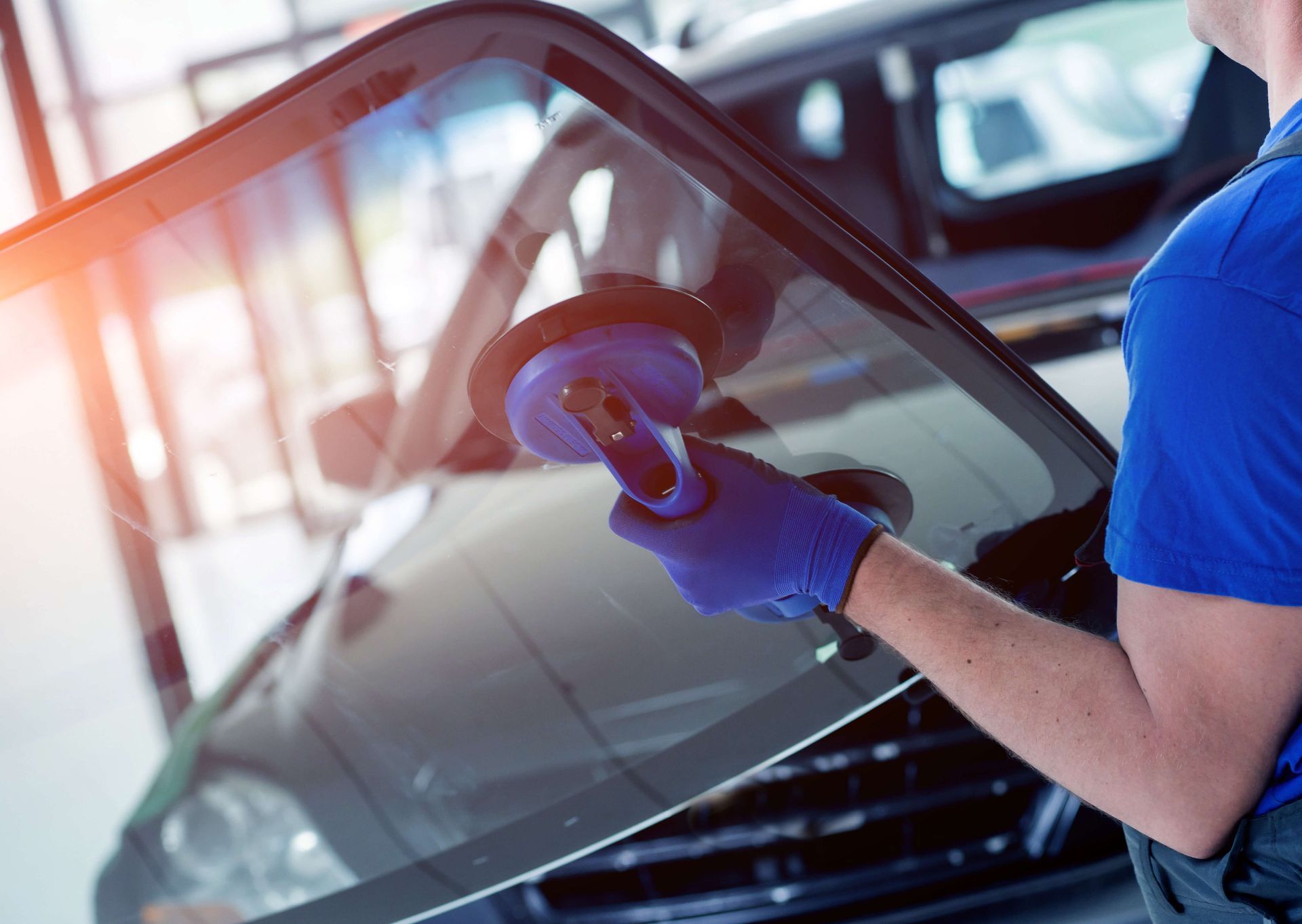
Need to know about windscreen replacement costs in Australia? JD Windscreen offers expert repairs & replacements for all vehicles. Get a free quote today!
Mobile vs in-shop windscreen chip repair: which is faster, what changes total time, and how weather, moisture, access and curing affect the appointment.
Learn types of car side windows: front, rear, quarter, tempered vs laminated glass, tinted vs clear, and manual vs power replacement.
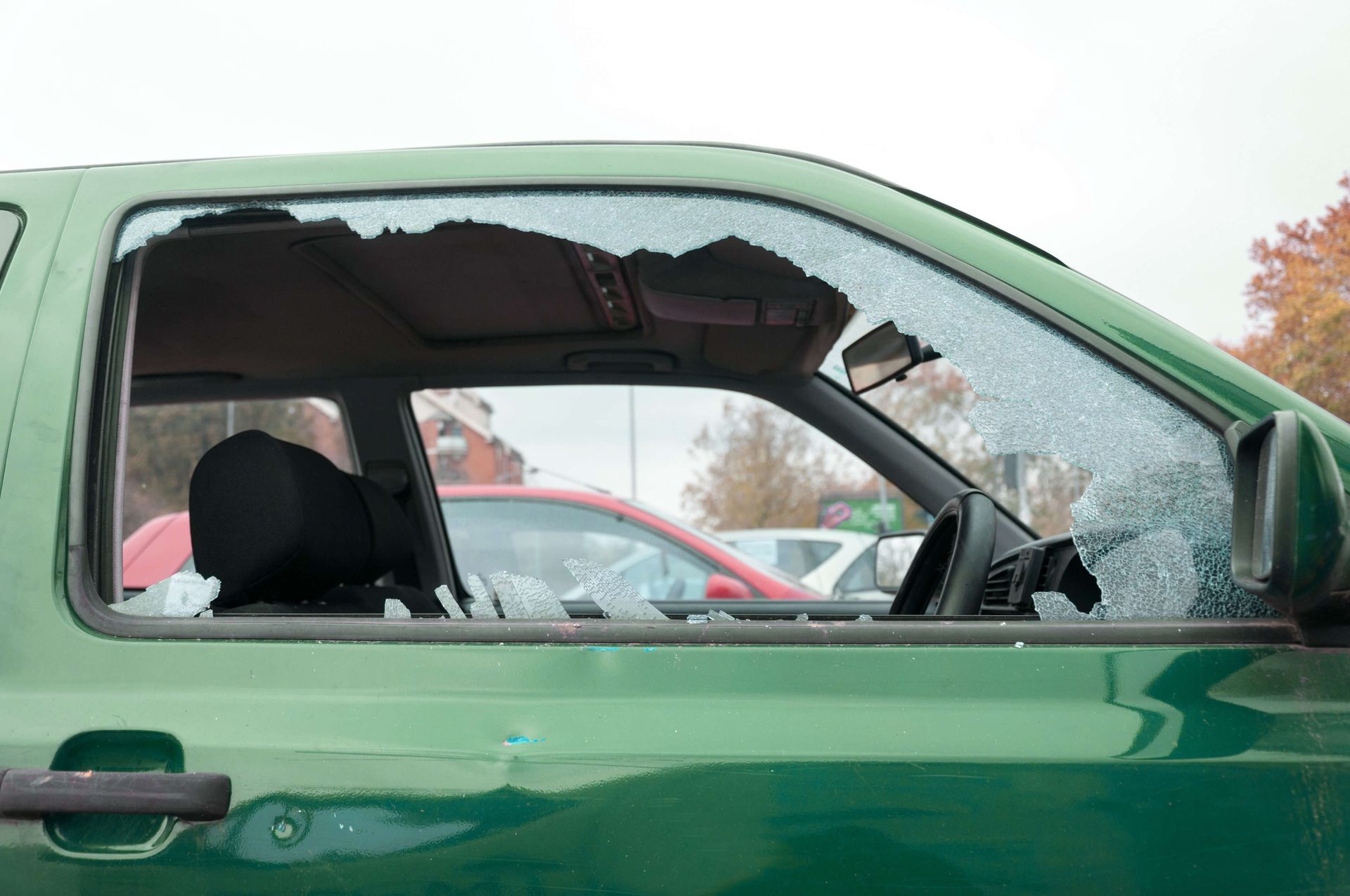
Driving with a broken side window is unsafe and often illegal. Learn the key risks related to a broken side windscreen, DIY steps you can take, and how professional service can help you.
Unsure whether to pick OEM or aftermarket glass? Learn which windscreen suits your car’s safety, sensors, and budget, and how JD Windscreens can help.