
info@jdwindscreens.com.au



Why Shattered Side Windows Can’t Be Repaired: A Guide to Security and Tempered Glass
JD WINDSCREENS • April 30, 2026
A shattered side window can turn into a stressful problem in seconds. One moment your car is fine, and the next you are dealing with broken glass, an exposed interior, and a lot of questions about what to do next. It may happen while the car is parked, after a break-in, or even while you are driving. No matter how it happens, a broken side window needs quick attention because it affects more than just the look of the vehicle. It can expose the inside of the car to rain, dust, theft, and further damage, and it can also leave sharp pieces of glass in places where they are hard to see and easy to touch by mistake.
The good news is that there is a clear way to handle the situation. This guide will explain each step in a practical way so you know what to do right away, what temporary fixes actually help, and why shattered side glass almost always needs replacement rather than repair.
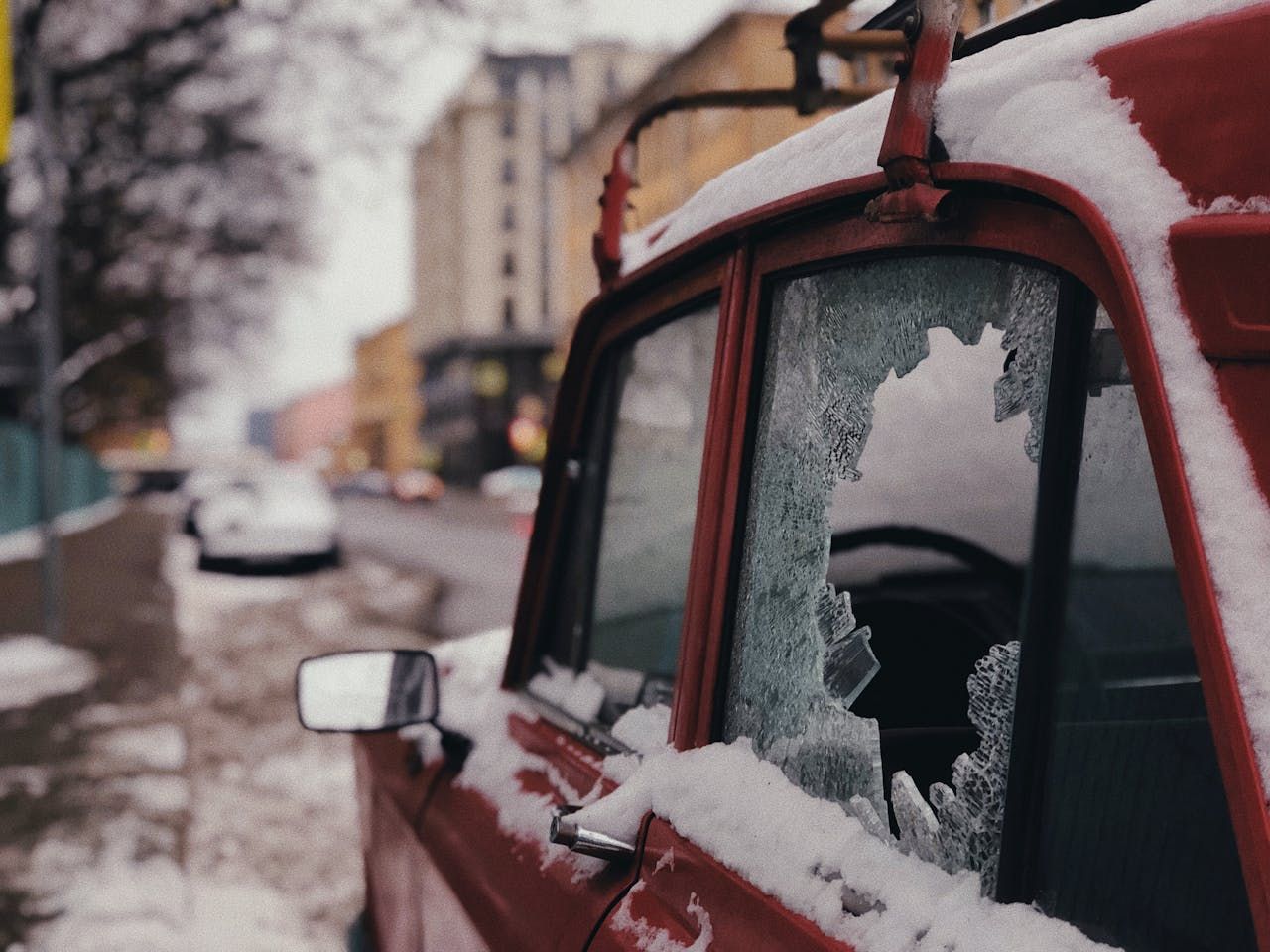
What Should You do First When a Side Window Shatters?
The first step is always safety. If the side window shattered while you were driving, keep both hands on the wheel, avoid sudden movements, and pull over as soon as it is safe to do so. The noise and rush of air can be alarming, but a controlled response is the safest response. If the car was parked when you found the damage, take a moment before reaching inside. Look at the seat, floor, door frame, and weather seal area to see where the glass has fallen and whether any large fragments are still attached around the frame.
Once you know nobody is hurt, assess the damage in a simple and calm way. Check which window is broken, how much glass is missing, and whether the opening is fully exposed. This helps you decide the next step without rushing. It also helps you avoid a common mistake, which is trying to clean or cover the window too quickly without understanding how much loose glass is still there.
What is the Safest Order to Handle the Problem?
When a window breaks, panic often leads people to act in the wrong order, like calling insurance while rain is pouring into the car. At JD Windscreens, we’ve seen how a structured approach reduces stress and prevents further damage to your vehicle’s interior.
If your side window shattered, follow this sequence to manage the situation:
Use this order:
- Check for injuries and move the car to safety if needed
- Keep clear of loose or hanging glass
- Secure the opening to protect the interior
- Take photos of the damage for records or insurance
- Contact your insurer to see if your policy covers the replacement.
- Arrange proper replacement as soon as possible
What Temporary Fix Works When The Glass is Gone?
The best short-term fix is usually a strong plastic sheet fixed tightly over the opening with weather-resistant tape. This works because it is simple, quick, and easy to fit over the frame without needing special tools. A clear plastic sheet is often better than an opaque cover because it keeps more natural light in the car and may help a little with side visibility depending on placement. A heavy rubbish bag can work in an emergency, but it is usually weaker and less stable than proper plastic sheeting.
The key is to make the cover tight and complete. A loose cover that flaps in the wind can peel away, let water in, or distract you if you need to move the car. The surface around the frame should be as dry as possible before taping so the seal holds better. This kind of fix is only meant to protect the car for the short term. It does not restore the strength, sealing, or security of the original glass, which is why a proper Side Window Replacement is the real fix once the vehicle is safe enough to wait for service.
What Makes a Temporary Cover Fail?
A lot of temporary covers fail because the materials are weak or the edges are not sealed properly. Thin tape, damp surfaces, loose plastic, and poor placement are the most common reasons. If the cover is fixed from the inside only, wind and pressure can push it loose very quickly. If the tape only touches a narrow part of the frame, it can lift off even in mild weather. That is why a cover should be placed carefully and treated as a short-term barrier, not as a substitute for real glass.
Temporary covers often fail when drivers use:
- Weak tape that peels in heat or moisture
- Thin plastic that tears in wind
- Partial edge sealing that lets water in
- Loose covers placed from the inside only
- A cover that stays on too long without replacement booked
Is Driving with a Broken Side Window Illegal or Unsafe?
A broken side window can affect the safe operation of the vehicle, especially if the opening creates strong distraction, poor visibility, or unstable airflow in the cabin. Loose glass can also shift while driving and create another hazard. If the temporary cover comes loose or blocks part of the driver’s view, the risk becomes more serious. That is why side glass damage should be treated as a genuine road safety problem, not something to leave for later just because the car still starts and moves.
This also helps explain why not all glass damage is treated in the same way. A small chip in front laminated glass can sometimes still be addressed through
Windscreen Repair when the damage is minor and suitable for treatment, but shattered side glass is different. Once side glass has broken, the safety function of that panel is gone, which is why the proper next step is replacement, not a patch or small repair.
How Does JD Windscreen Help After Side Glass Damage?
JD Windscreen helps drivers move from emergency protection to proper repair. Once the vehicle has been made safe, the next need is clear advice, correct glass handling, and a proper replacement that restores security and usability. That means removing remaining fragments properly, checking the opening, and fitting the right glass so the vehicle no longer feels exposed or unsafe.
That same experience matters across a wider range of vehicles and equipment too. Operators who rely on working machinery and heavy-use vehicles cannot afford long downtime, which is why specialist support such as
Civil Plant & Machinery Auto Glass is important where glass damage affects machines and equipment that need proper on-site or scheduled glass work.
Frequently Asked Questions (FAQs)
How long can a temporary plastic cover stay on a broken side window?
Only for the short term. A cover can help protect the interior for a little while, but it is not a proper replacement. Weather, movement, and weak tape can all shorten how long it remains effective.
Will insurance still help if the cause of the shattered glass is unclear?
It may, depending on the policy and how the claim is assessed. This is why good photos, clear timing, and a simple record of the situation are useful before you make the call.
What should I do if glass has fallen inside the door or seat area?
Remove only what is easy and safe to clear. Do not reach deep into the door cavity or tight trim areas with bare hands. Deeper fragments can be dealt with properly during replacement if needed.
Can weather changes really make a passenger side window shatter?
Weather alone is not always the only cause, but sudden temperature change can contribute if the glass already has a weak point or built-up stress. It is often one factor rather than the only factor.
Why is side glass replaced instead of repaired like some windscreens?
Because once tempered side glass shatters, its structure is gone. A repair would not restore the panel’s shape, fit, sealing, or safety function, so replacement is the correct solution.
Contact JD Windscreen For Reliable Service
We understand that a shattered side window needs fast and practical help, not guesswork. Once the glass breaks, the priority is to protect the vehicle, reduce further damage, and restore proper safety as soon as possible. Temporary covers can help for the short term, but the real solution is a correct replacement carried out properly. If your side window has shattered and you need clear advice and reliable service, contact JD Windscreen today. Our team can help get your vehicle secure, safe, and back to proper condition as quickly as possible.
More Windshield Cleaning Tips, Tricks & Tools
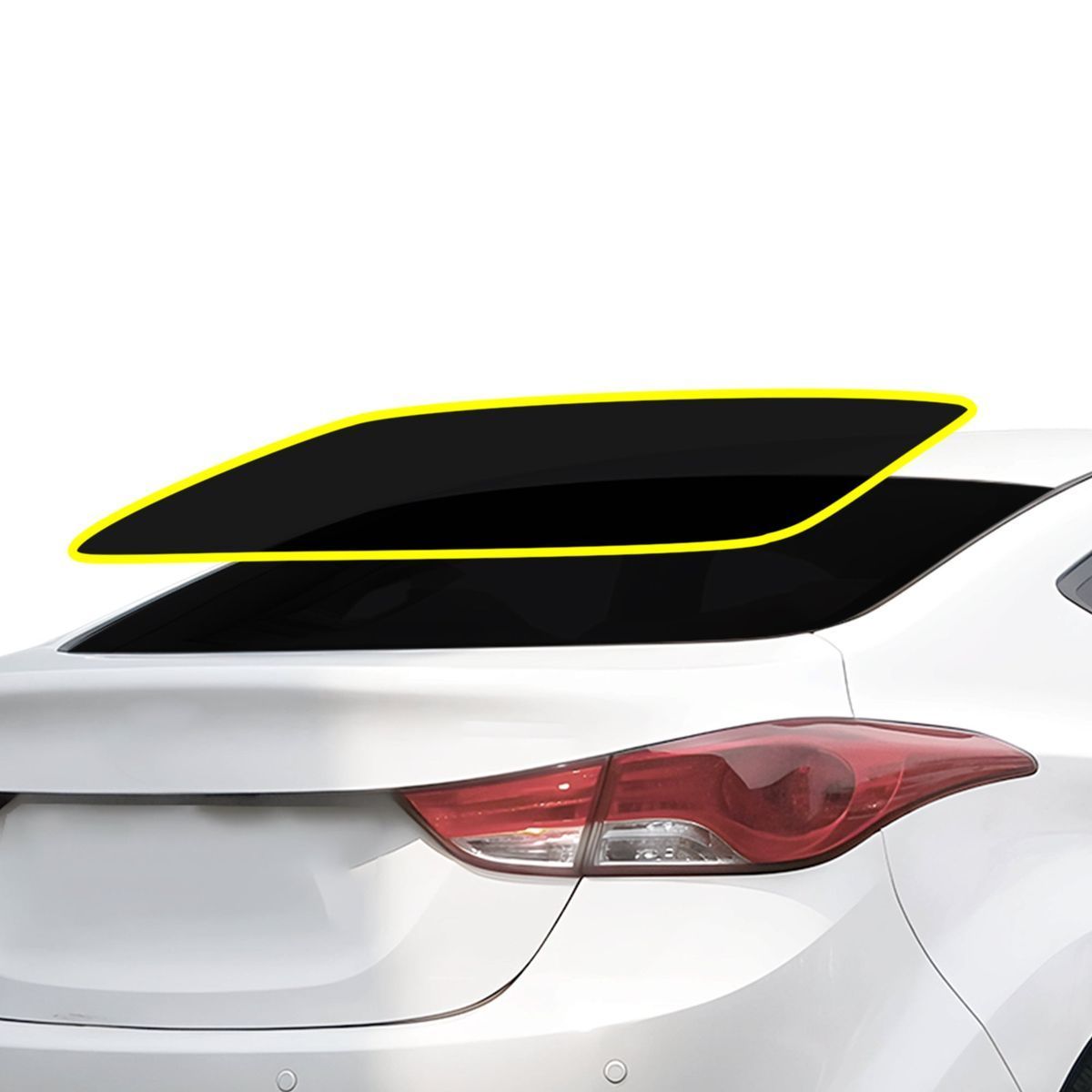
Australia has some of the highest UV levels in the world. Learn how UV and heat-rejection window tinting works, which film type suits your vehicle and how tinting affects windscreen replacement.
Rear window demister not working? Learn how demister lines work, why they fail, and when repair or replacement is the right fix. JD Windscreens can help.
Compare OEM and aftermarket glass for Toyota and European windscreen replacement, including ADAS calibration, cost, safety, and glass choice.
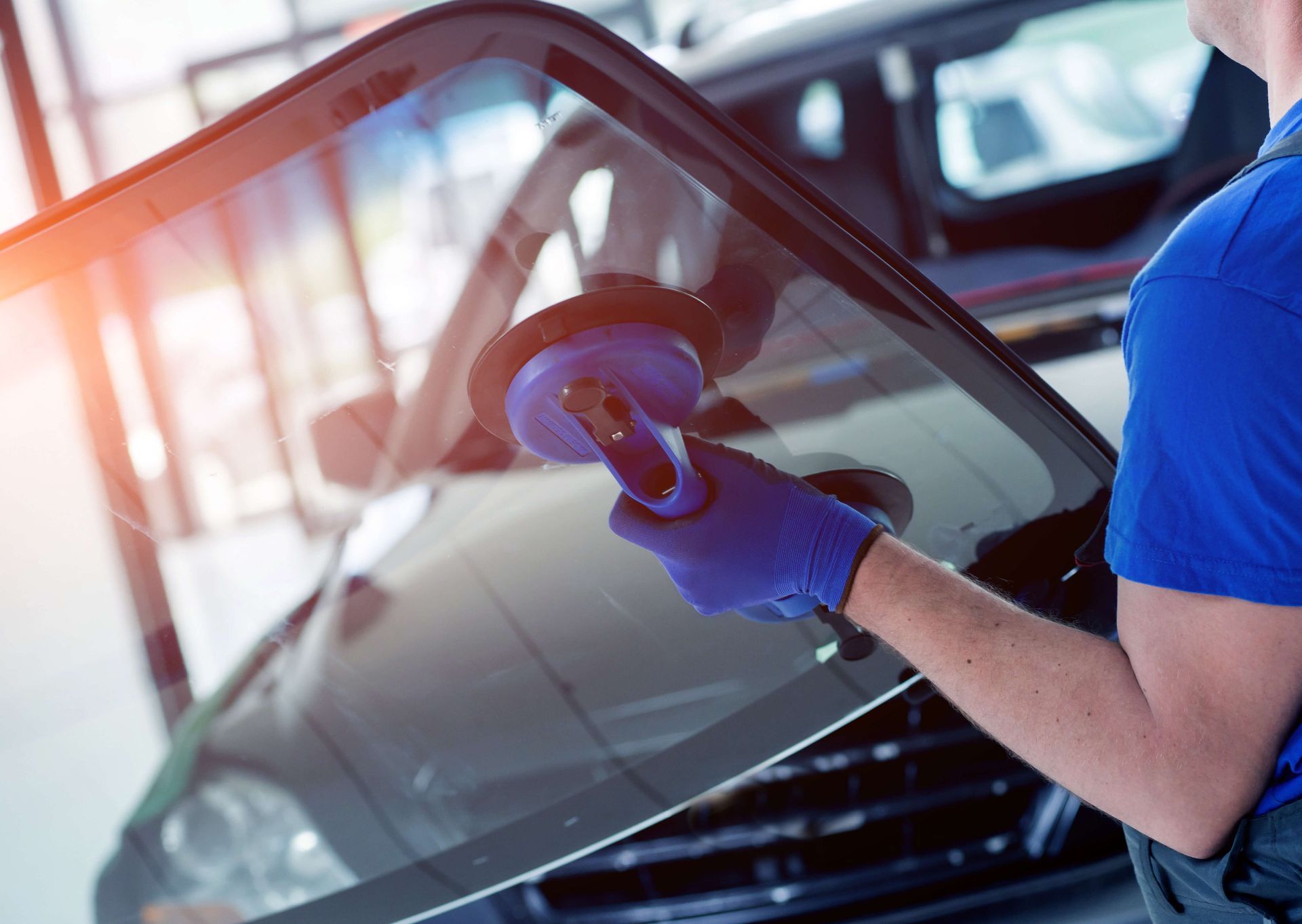
Need to know about windscreen replacement costs in Australia? JD Windscreen offers expert repairs & replacements for all vehicles. Get a free quote today!
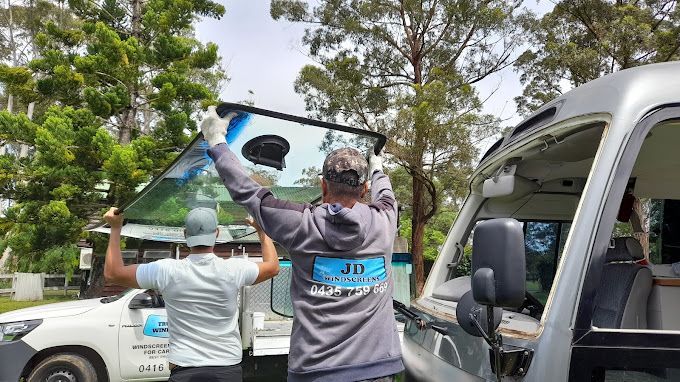
How long does windscreen replacement take in Wodonga? Timing by vehicle type, ADAS calibration, curing time, safety checks, and cost factors explained.
Mobile vs in-shop windscreen chip repair: which is faster, what changes total time, and how weather, moisture, access and curing affect the appointment.
Learn types of car side windows: front, rear, quarter, tempered vs laminated glass, tinted vs clear, and manual vs power replacement.
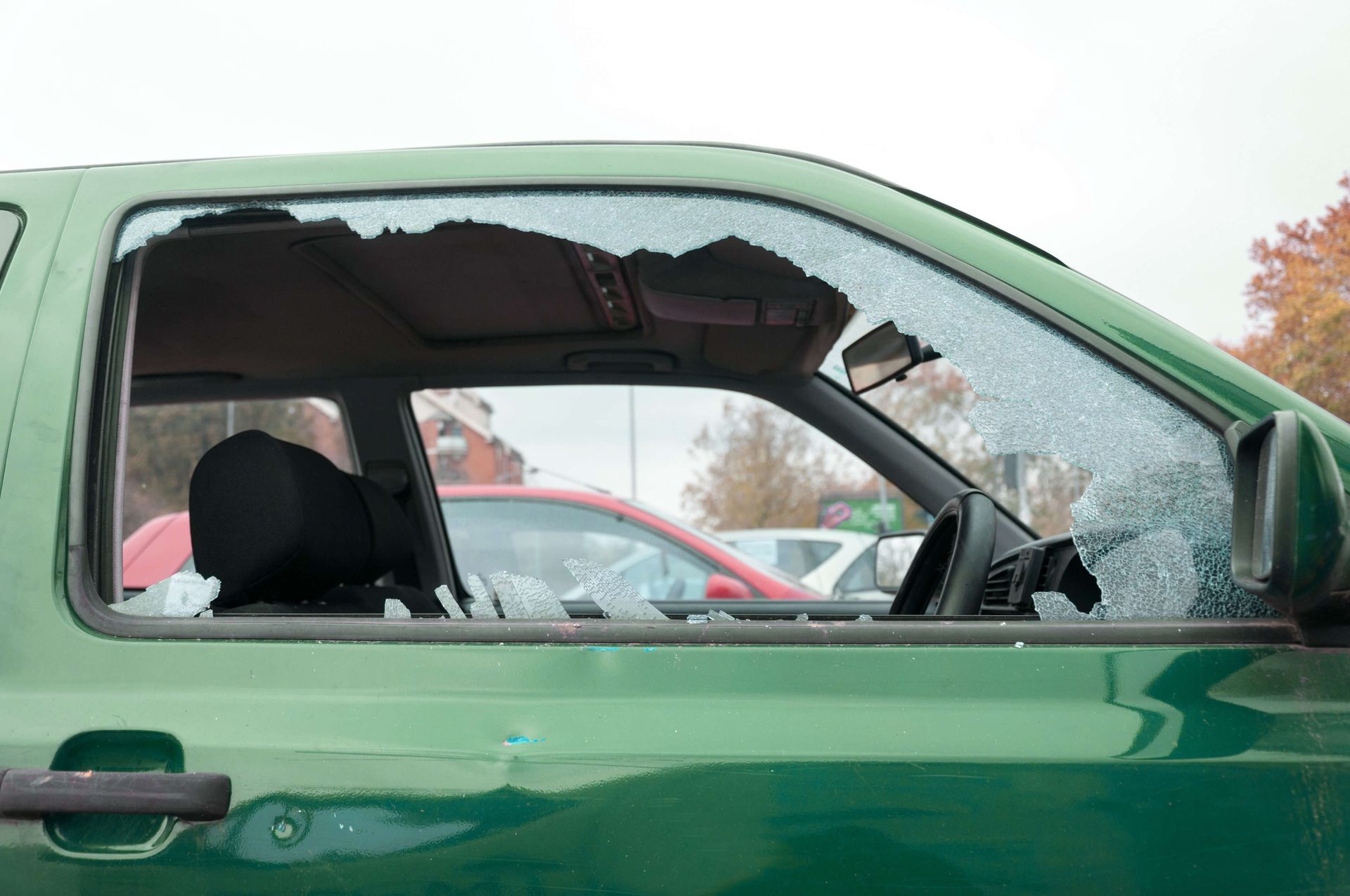
Driving with a broken side window is unsafe and often illegal. Learn the key risks related to a broken side windscreen, DIY steps you can take, and how professional service can help you.
Unsure whether to pick OEM or aftermarket glass? Learn which windscreen suits your car’s safety, sensors, and budget, and how JD Windscreens can help.
Discover why auto glass maintenance is critical for civil plant and machinery safety, efficiency, and longevity.