
info@jdwindscreens.com.au



Windscreen Chip Repair Time: In-Shop vs Mobile Repair (UV vs heat)
JD WINDSCREENS • January 30, 2026
A windscreen chip often looks small, but it can turn into a bigger problem faster than most drivers expect, especially when the vehicle is exposed to heat, vibration, or sudden temperature changes. The good news is that Windscreen Chip Repair is usually one of the quickest safety fixes when it is handled early, because a fresh chip is easier to fill, easier to cure properly, and far less likely to spread. The part many people don’t factor in is that repair time is not only the time the technician is working on the glass, but also includes setup, cleaning, resin injection, curing, finishing, and final checks.
At JD Windscreens, we’re often asked how long the appointment will take, whether mobile repair is faster than coming in, and why two chip repairs that look similar can still take different amounts of time. This guide breaks that down clearly, so you can plan your day and understand what affects the timeline.
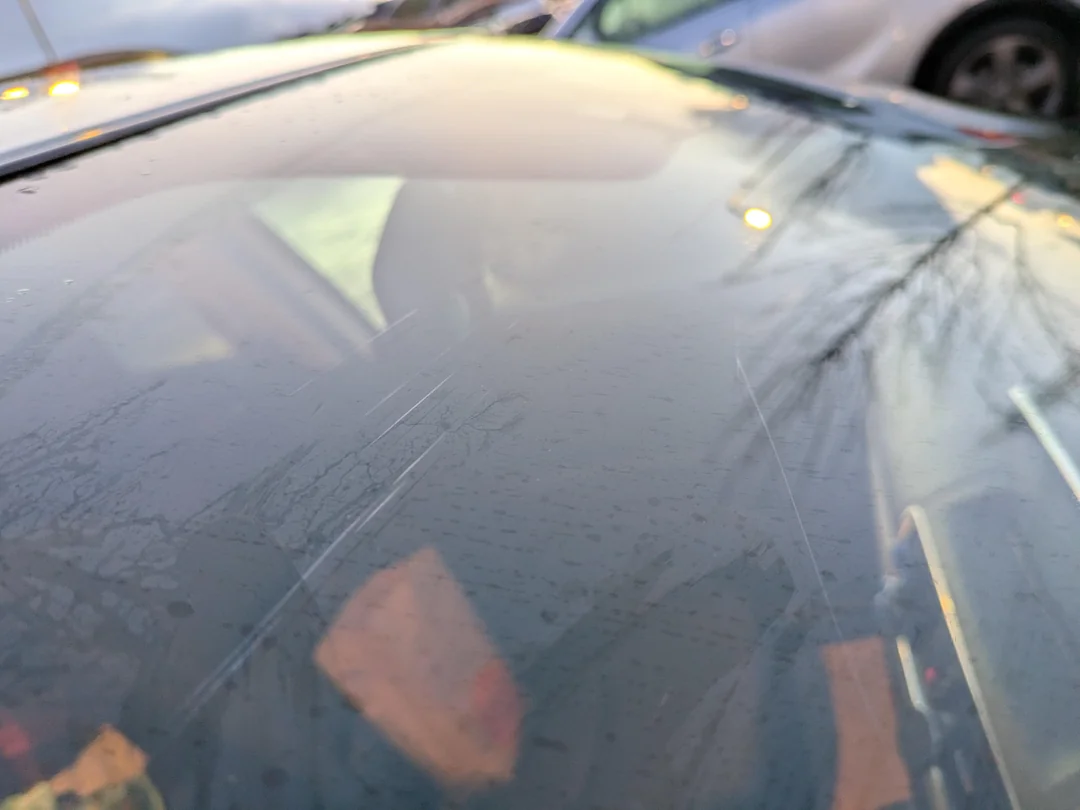
What Repair Time Actually Includes
A proper chip repair is a sequence of steps that are designed to stabilise the damage and improve clarity, while also protecting the strength of the glass. The chip must be inspected first because repairability depends on the chip’s size, depth, and location, and because some damage patterns are better handled through replacement. The repair area then needs careful cleaning and preparation so the resin bonds properly, since moisture and grime trapped in the chip can weaken the result.
After preparation, resin is injected and worked through the damage structure, which takes technique because the resin must fill internal fractures rather than sitting on the surface. Once filled, the resin is cured and then finished so the surface is smooth and the wiper path stays clean. When people compare in-shop and mobile services, these steps remain the same, but the environment can change how quickly they can be completed.
In-shop vs Mobile Repair: What Changes The Total Time
In-shop chip repairs are usually the most predictable because the working conditions are consistent, which means lighting, access, and protection from wind and rain are controlled. A workshop setup also helps with scheduling because technicians can move between vehicles efficiently, so you are less likely to be delayed by travel time or sudden weather changes. This option often suits drivers who want maximum consistency or who suspect the damage might be borderline repairable.
Side window replacement is popular because it saves you travel time and lets you stay at home or on-site while the job is done. A mobile appointment can be just as efficient when the vehicle is parked safely, and the chip is straightforward, but the timeline can change if the windscreen is wet, the area is dusty, or the vehicle is parked in a tight spot. At JD Windscreens, we often advise that mobile repair is best when you can provide good access and a stable working space, because the technician can then focus on the repair rather than managing the environment.
What Commonly Adds Time to a Chip Repair Appointment
- A chip that has been exposed to rain or washing, because moisture in the damage can slow preparation and affect resin bonding.
- A dirty windscreen surface, because the repair zone must be cleaned properly before resin work begins.
- A chip that has started to spread into small cracks, because filling and stabilising a more complex pattern takes longer.
- Multiple chips on the same screen, because each one needs its own fill, cure, and finishing steps.
- Cold mornings or very hot days, because temperature affects resin flow and working comfort, especially for mobile repairs.
- Limited access around the vehicle, because safe setup matters and tight areas slow down work.
Resin Curing: UV vs Heat and How It Affects the Total Time
Curing is the stage that turns liquid resin into a hardened, stable repair, and this stage is a major part of the total appointment time. Most professional windscreen repair systems rely on UV curing because UV light hardens repair resin in a controlled and consistent way, which helps create a stable bond and improves clarity. Heat still matters, but mostly because temperature influences how the resin behaves during filling, since resin moves differently through a chip when the glass is very cold or very hot.
A simple way to understand it is that UV is usually the main curing driver, while heat is a condition that can speed up or slow down resin flow and preparation, depending on the day. This is one reason DIY kits can feel unpredictable, because sunlight and temperature are not consistent, and many DIY attempts struggle with proper filling and curing depth. If you are considering a diy windscreen chip repair kit, it helps to remember that the total time can look shorter at first, but the result may not last if curing and bonding are incomplete.
Step-by-step: What Happens During a Professional Windscreen Chip Repair
- Damage check and repairability decision: We inspect the chip and confirm whether repair is suitable or whether Windscreen Replacement is safer.
- Surface cleaning and preparation: We clean the area so grime and moisture do not block resin flow or weaken the bond.
- Resin injection and filling: We inject and cycle resin so it fills internal fractures rather than sitting on top.
- Curing stage: We cure the resin with controlled UV exposure so it hardens consistently and stabilises the repair.
- Finishing and polishing: We finish the surface flush for a smooth wiper path and a cleaner final look.
- Final checks and advice: We check the result and explain what to expect, including that repairs usually improve significantly but may remain faintly visible.
Cost Questions: Why does Chip Repair Pricing Varies
Many drivers search for windscreen chip repair cost or ask how much it costs to repair a chipped windscreen, but pricing can vary because not all chips are equal. Fresh chips are often quicker than older chips that have collected moisture and grime, and multiple chips generally cost more than one because each one requires its own process. Mobile work can also be priced differently because it includes travel and on-site setup, while in-shop work can sometimes be scheduled more tightly.
The most important cost point is that early repair is usually cheaper than waiting, because chips that spread into cracks often move the job toward replacement. Even if the upfront difference seems small, the long-term cost difference can be significant when the damage grows.
When a Chip Repair Becomes a Replacement Decision
Not every windscreen should be repaired, and a trustworthy provider will tell you when repair is no longer the best option. Chips that are too large, chips in critical viewing zones, or damage that has developed into spreading cracks may require Windscreen Replacement for safety and structural reasons. If you also have issues around the edges of the screen, Windscreen Rubber Replacement can be important because poor seals can cause leaks, wind noise, and long-term moisture issues.
If your vehicle has damage beyond the front screen, the correct category matters. Rear glass damage is handled through
Rear Window Replacement, while door glass damage belongs under Side Window Replacement, because these windows use different glass types and fitting methods.
Frequently Asked Questions FAQs
How long does a windscreen chip repair usually take?
Most chip repairs are completed quickly, but total time depends on setup, cleaning, resin filling, curing, and finishing, so the appointment length can vary based on chip type and conditions.
Is in-shop chip repair faster than mobile repair?
In-shop repairs are often more predictable because conditions are controlled, while mobile repairs can be just as quick when the vehicle is easy to access and the weather is stable.
Does UV curing make the repair faster than heat?
UV curing is usually the main curing method and tends to be consistent, while heat mainly affects how resin flows and how easy the process is in very cold or very hot conditions.
Can I drive straight away after a chip repair?
In most cases, yes, because the resin is cured during the repair, but you should still follow the technician’s advice about washing the vehicle and avoiding pressure on the repaired area.
What can I do to reduce the total repair time on the day?
Keep the chip dry, avoid washing the windscreen before the appointment, park where the technician has space to work, and don’t apply DIY products that can contaminate the damage area.
Contact JD Windscreens to Book Chip Repair Service
If you want the fastest total time, the best move is to book Windscreen Repair early, before a chip spreads or becomes contaminated. JD Windscreens offers both in-shop and mobile options, so you can choose what suits your schedule while still getting a repair that is properly filled, cured, and finished. If the chip is no longer repairable,
contact us. We can guide you toward the safest next step through replacement services, so you avoid wasted time and leave with a screen that is secure and road-ready.
More Windshield Cleaning Tips, Tricks & Tools
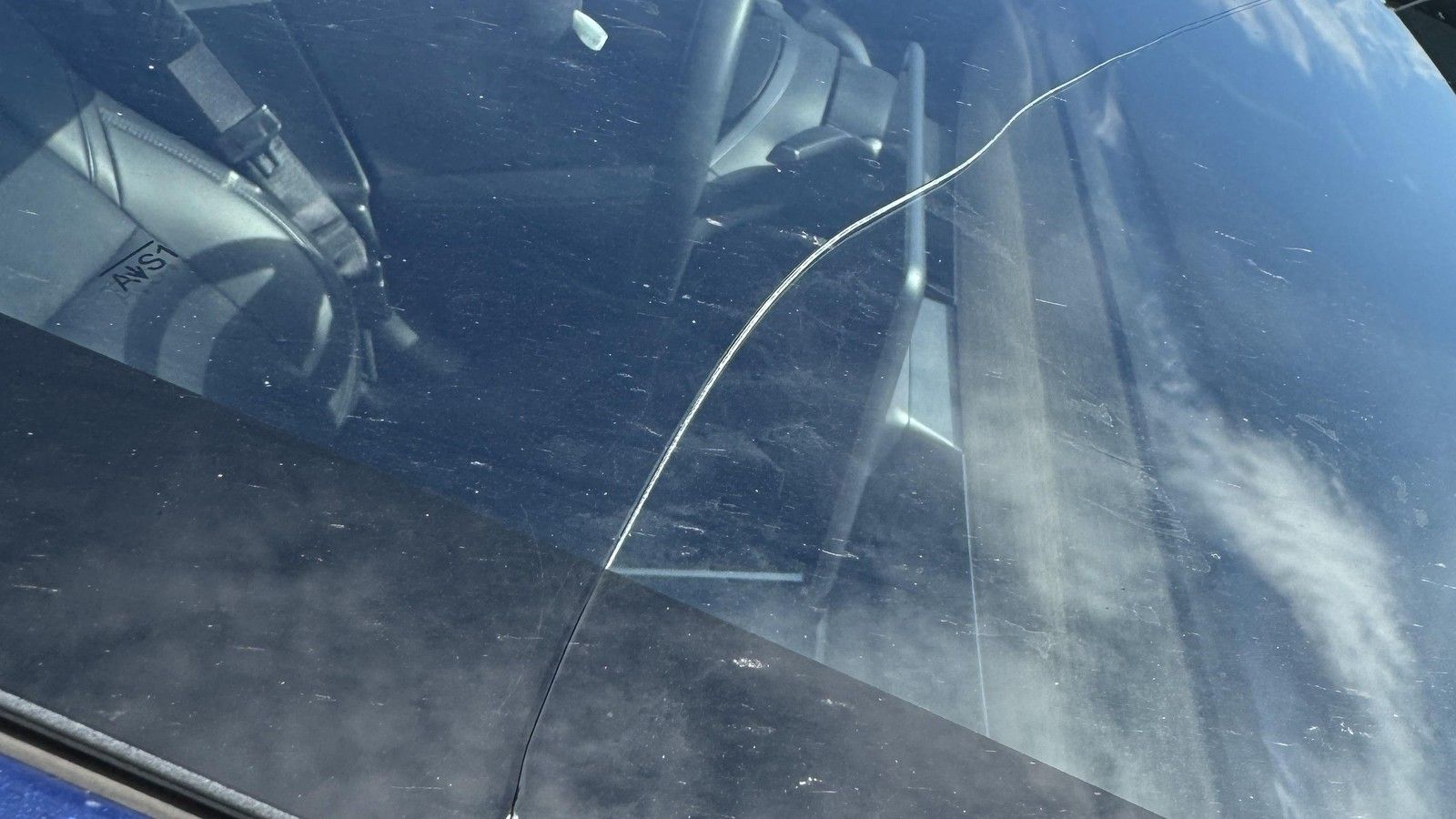
Can you drive with a cracked windscreen in Australia? Learn state laws, fines, roadworthy rules and insurance facts. JD Windscreens explains it all.
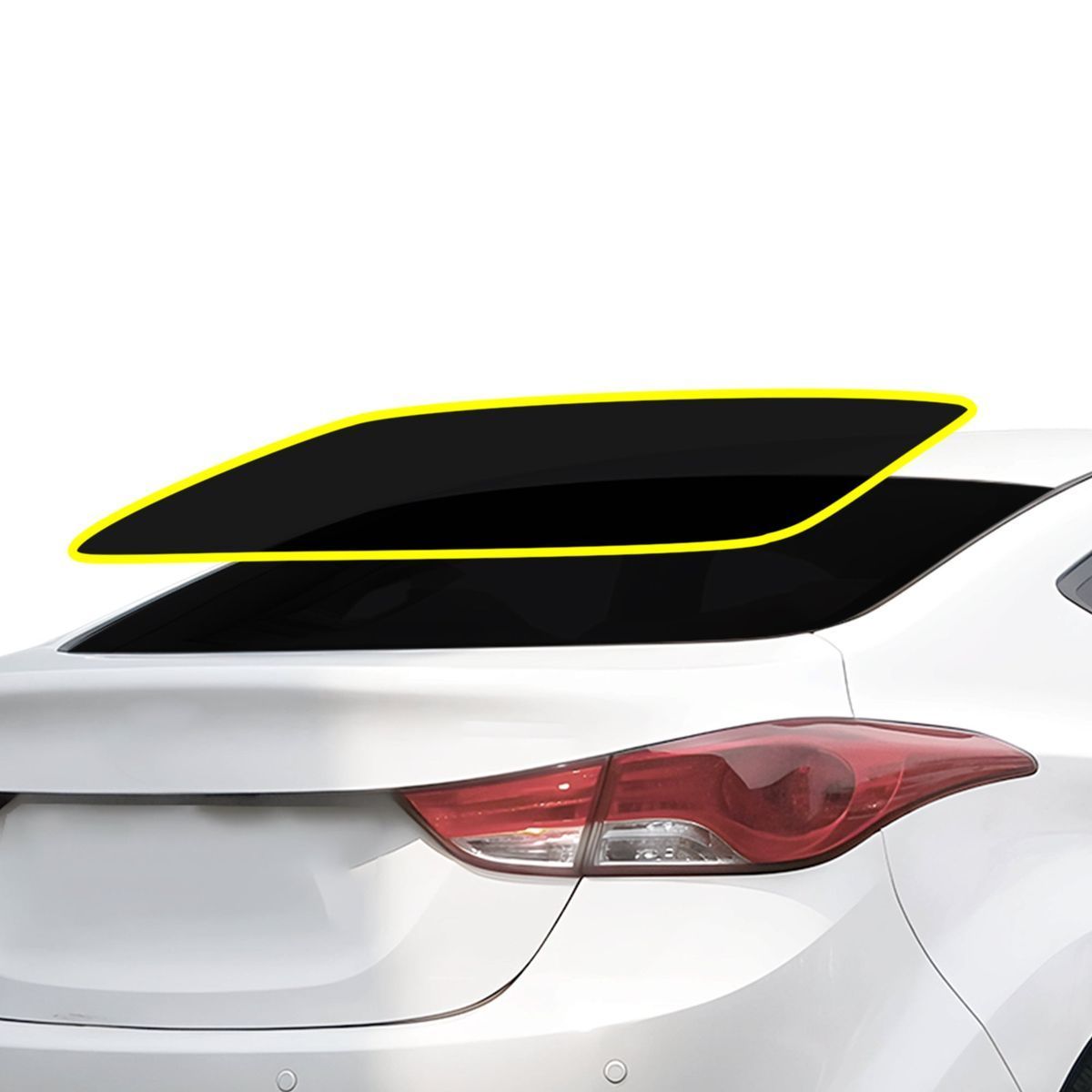
Australia has some of the highest UV levels in the world. Learn how UV and heat-rejection window tinting works, which film type suits your vehicle and how tinting affects windscreen replacement.
Rear window demister not working? Learn how demister lines work, why they fail, and when repair or replacement is the right fix. JD Windscreens can help.
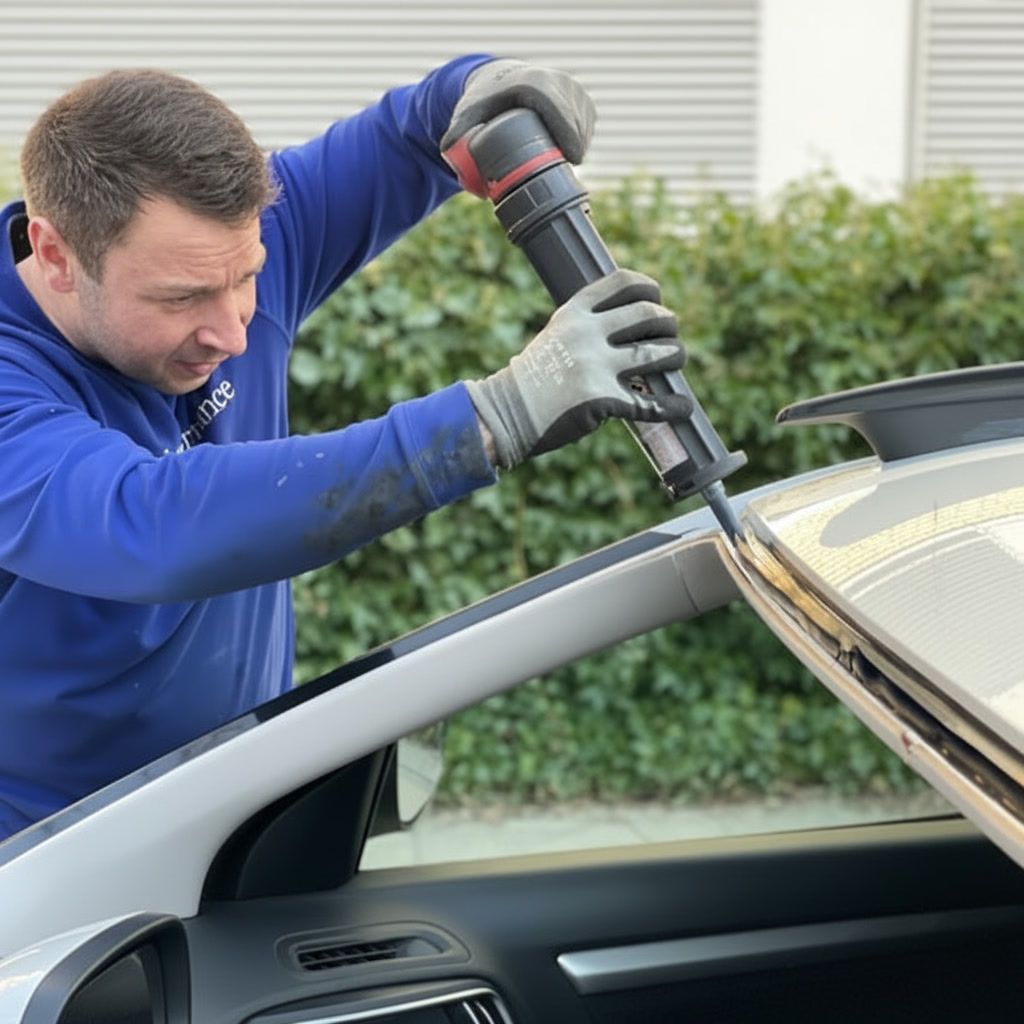
Compare OEM and aftermarket glass for Toyota and European windscreen replacement, including ADAS calibration, cost, safety, and glass choice.

Side window shattered? Learn quick steps to secure your car, use temporary fixes, handle insurance, and arrange fast replacement safely.
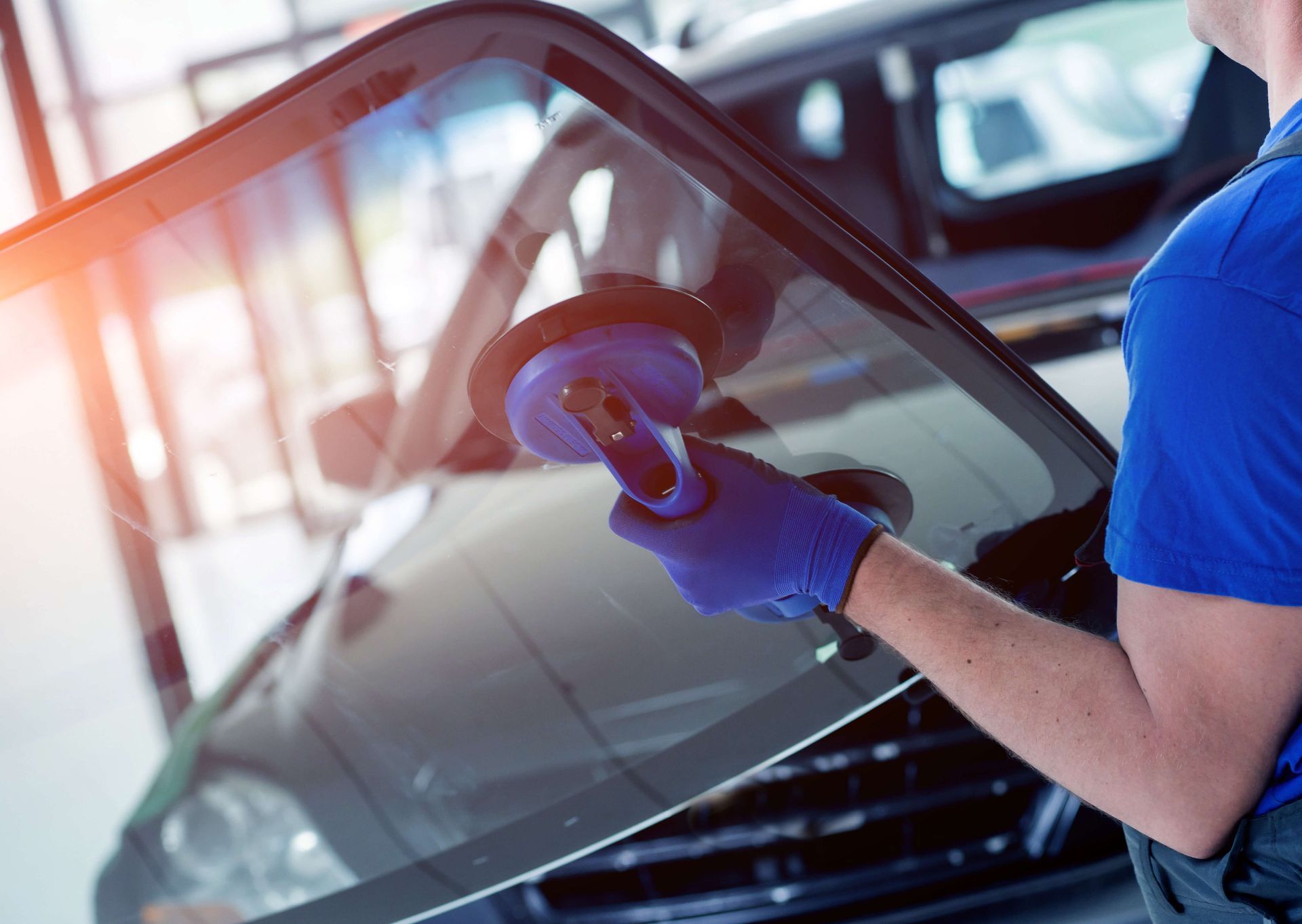
Need to know about windscreen replacement costs in Australia? JD Windscreen offers expert repairs & replacements for all vehicles. Get a free quote today!
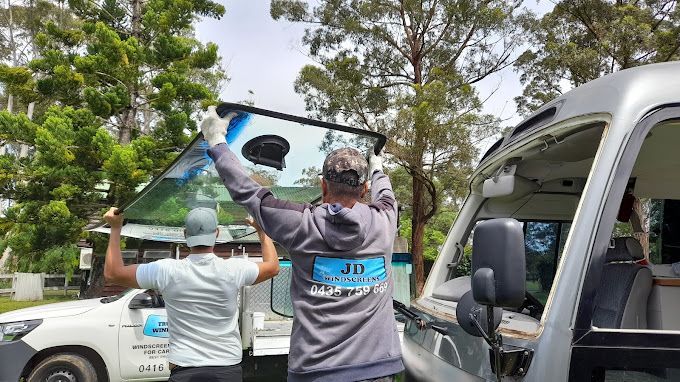
How long does windscreen replacement take in Wodonga? Timing by vehicle type, ADAS calibration, curing time, safety checks, and cost factors explained.
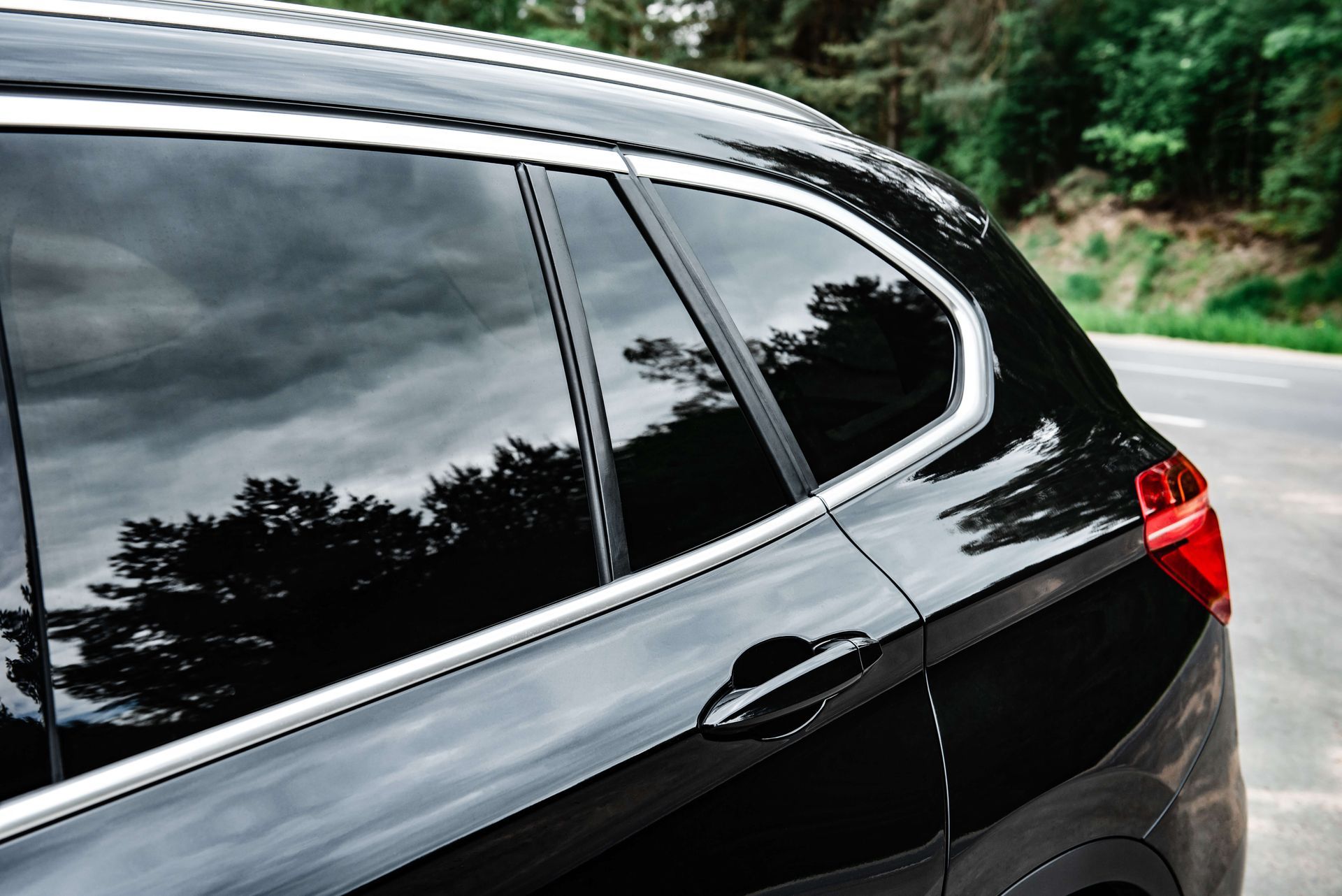
Learn types of car side windows: front, rear, quarter, tempered vs laminated glass, tinted vs clear, and manual vs power replacement.
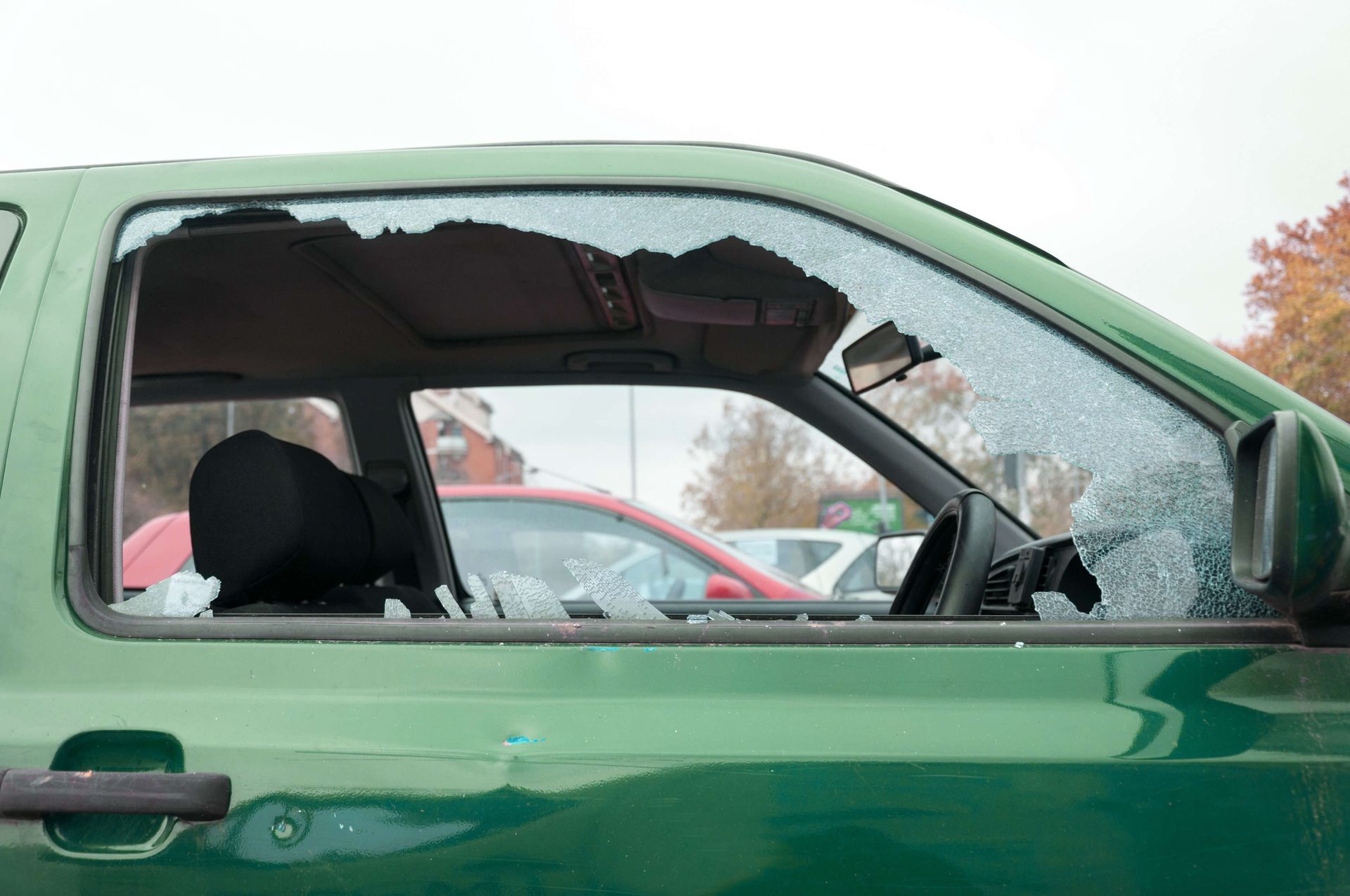
Driving with a broken side window is unsafe and often illegal. Learn the key risks related to a broken side windscreen, DIY steps you can take, and how professional service can help you.
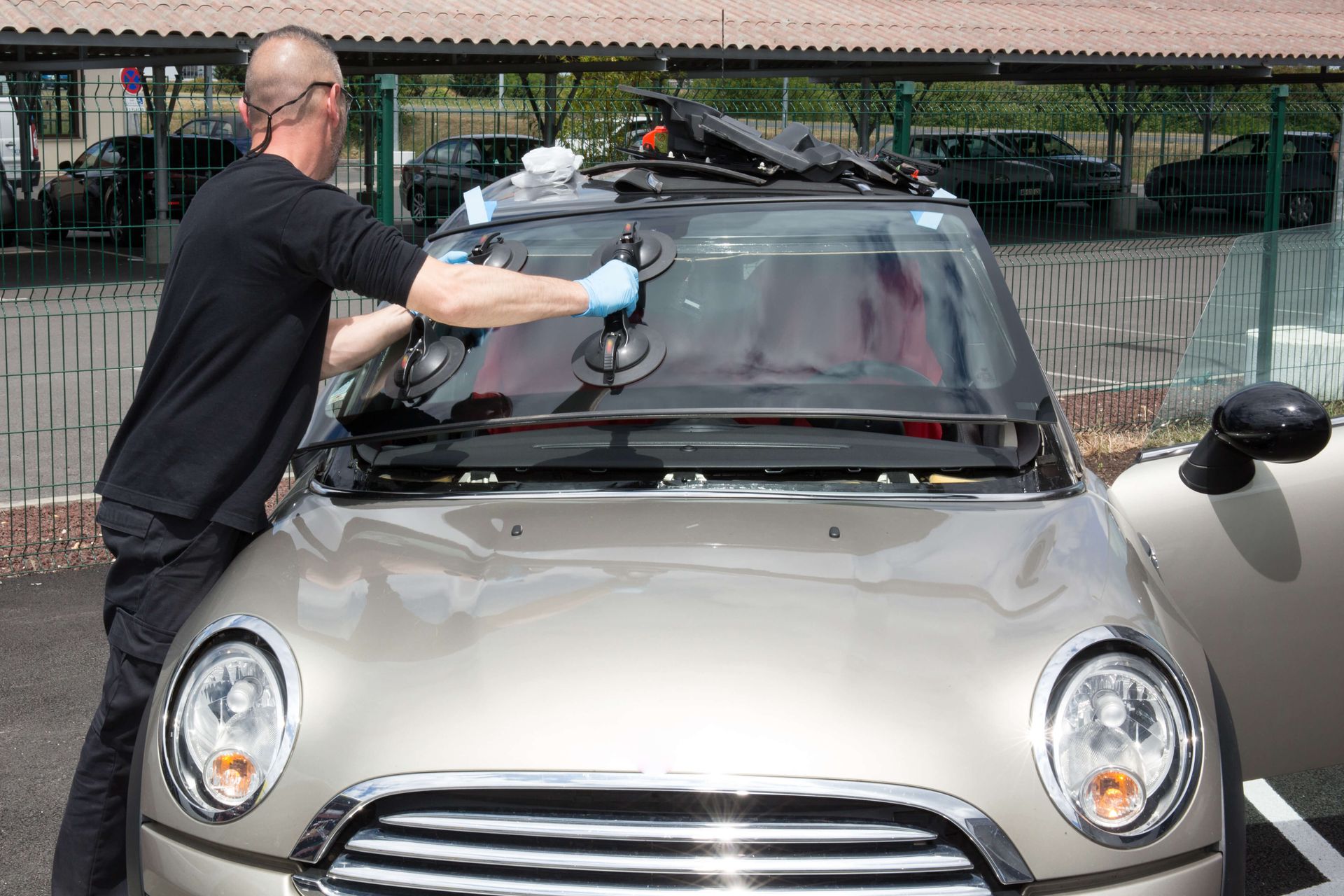
Unsure whether to pick OEM or aftermarket glass? Learn which windscreen suits your car’s safety, sensors, and budget, and how JD Windscreens can help.