
info@jdwindscreens.com.au



Toyota vs European Windscreen Replacement: Do You Really Need OEM Glass?
JD Windscreen • June 1, 2026
When a windscreen is damaged, the glass choice matters more than many drivers realise. Some vehicles can use high-quality aftermarket glass without any issue, while others need OEM glass because the windscreen supports cameras, sensors, heating, acoustic layers, or display features. At JD Windscreens, we help drivers choose the right glass for their vehicle before the replacement begins. A Toyota windscreen replacement may be simple on some models, but newer Toyota vehicles with safety cameras still need careful checking.
European vehicles can be more sensitive because many models include advanced technology built around the windscreen. The safest choice is the glass that fits the vehicle correctly, supports its safety systems, seals properly, and works well after installation.
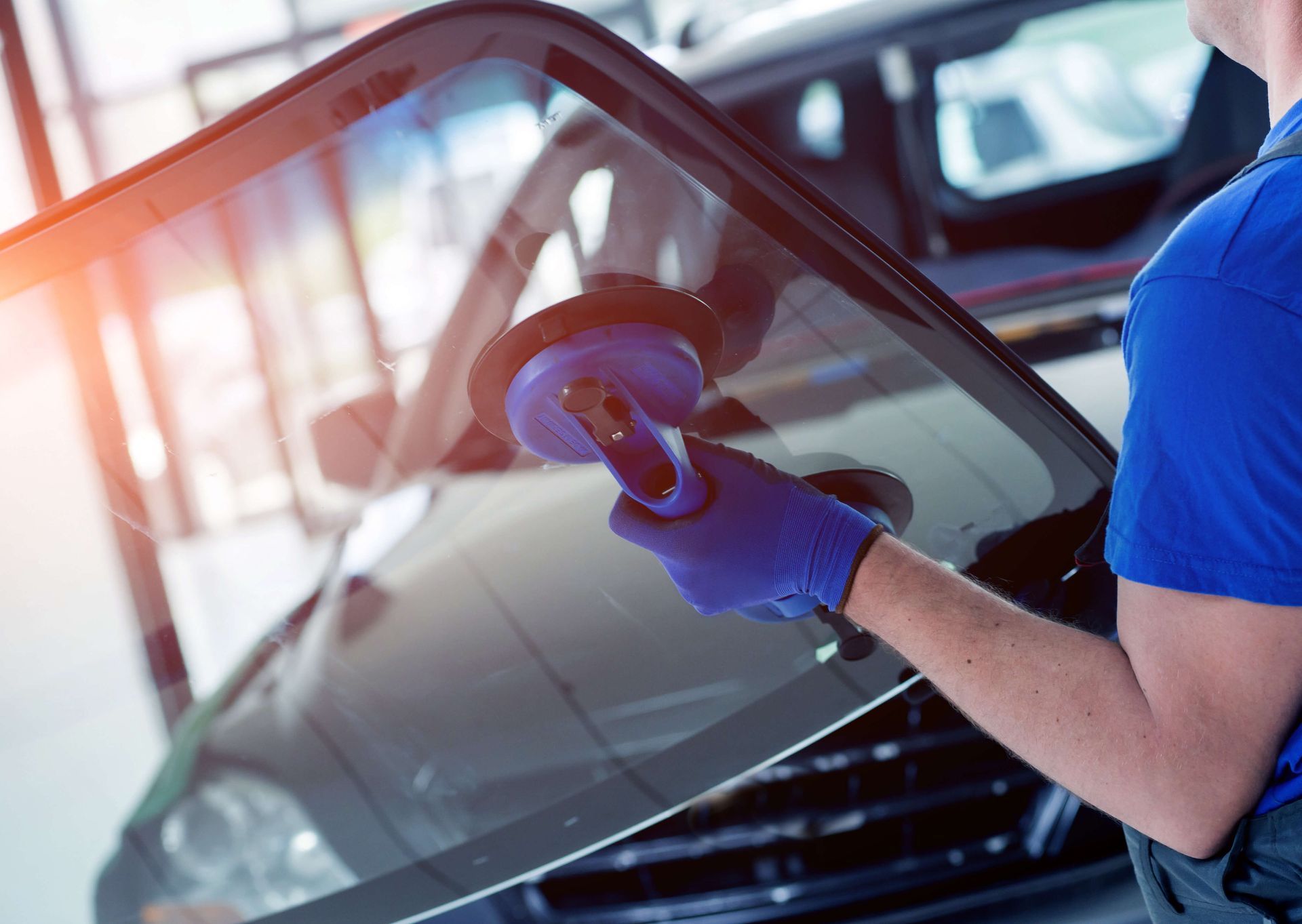
Toyota and European Windscreen Replacement Differences
Toyota and European vehicles can both need careful windscreen replacement, but the level of complexity can be different. Many Toyota models are common on Australian roads, so suitable replacement glass may be easier to source. European vehicles often have more model-specific windscreen features. Brands such as BMW, Mercedes-Benz, Audi, Volkswagen, Volvo, and Land Rover may use acoustic glass, heated glass, rain sensors, solar coatings, heads-up display zones, and advanced camera brackets. These features can make glass selection more sensitive.
Key differences include:
- Toyota glass may be easier to source for common models.
- European glass may include more premium features.
- Newer Toyota vehicles may still need ADAS calibration.
- European vehicles may have tighter sensor and camera tolerances.
- OEM glass often costs more for premium European models.
- Aftermarket glass may still work when it matches the correct specification.
- Calibration needs depend on the vehicle’s safety systems, not only the brand.
OEM Glass Needs for Toyota Vehicles
Toyota vehicles do not always need OEM glass. Many older Toyota models, or models without windscreen-mounted cameras and sensors, can use high-quality aftermarket glass when the fitment is correct. Newer Toyota models need more care because many now include Toyota Safety Sense or similar driver-assist features. These systems may use a camera mounted near the windscreen. The camera reads the road through the glass, so the replacement windscreen must support the correct camera position and clear viewing area.
The camera bracket must sit in the right place. The glass must have the correct shape and optical clarity. If calibration is required, it must be completed after the replacement so the safety systems can work as intended. For Toyota vehicles, the right decision depends on the model, year, and fitted technology. OEM glass may be useful for newer or higher-spec models, while quality aftermarket glass may be suitable for simpler vehicles.
Situations Where OEM Glass Is the Better Choice
OEM glass becomes more important when the windscreen supports advanced technology. In these cases, the glass does more than protect the cabin from wind and rain. It also helps cameras, sensors, and display systems work correctly.
OEM glass is often the better choice when:
- The vehicle has ADAS cameras behind the windscreen.
- The windscreen supports a heads-up display.
- The glass has acoustic noise-reducing layers.
- The windscreen includes heating elements.
- The vehicle has rain or light sensors.
- The model needs exact camera bracket placement.
- The car is still under manufacturer warranty.
- The glass has a special tint, coating, or solar control.
- The vehicle is a premium European model with complex features.
- No aftermarket option clearly matches the original specification.
Mobile Windscreen Replacement and Calibration
Limits
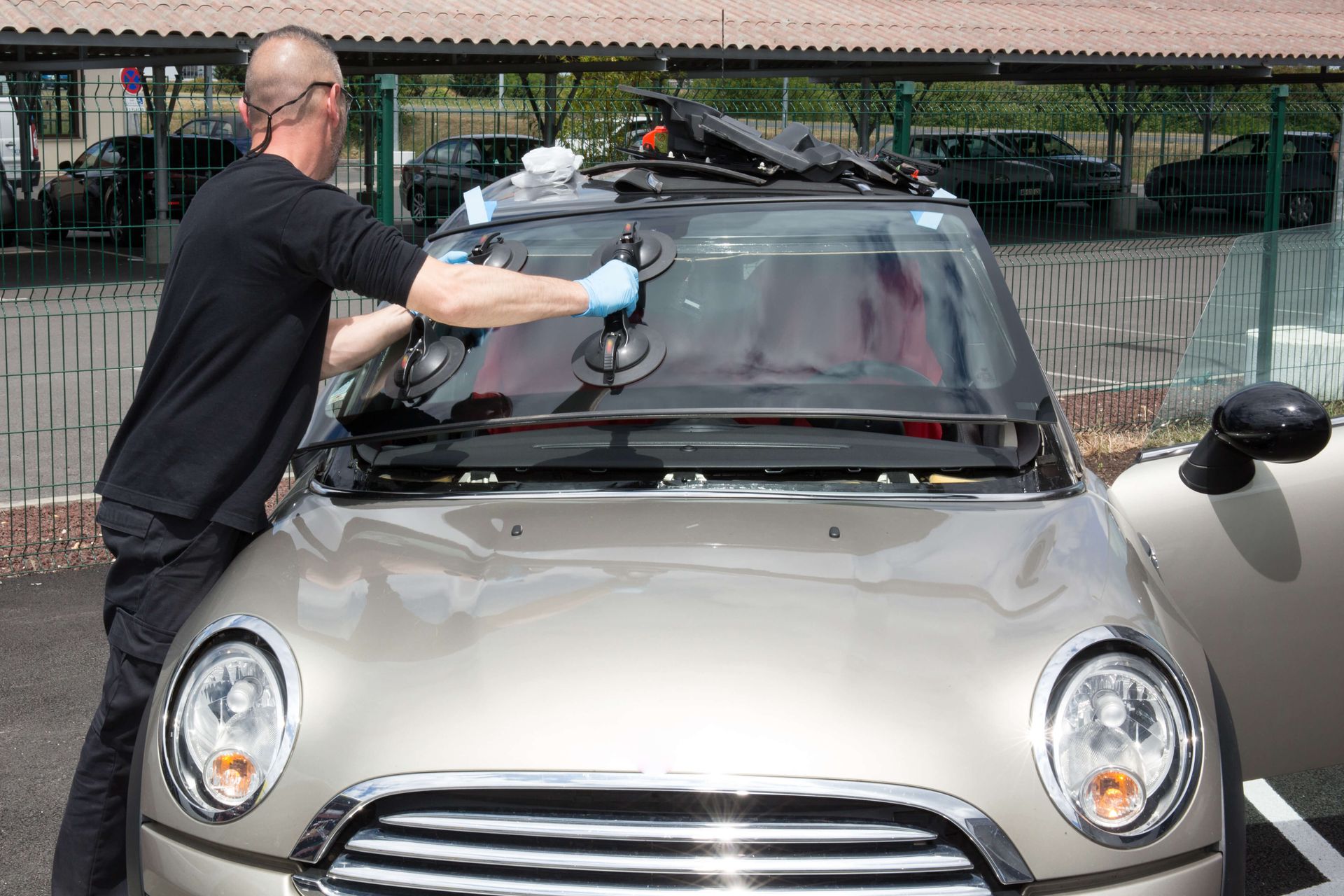
Mobile windscreen replacement can be a convenient option for many drivers. A technician may be able to come to your home, workplace, or another safe location to replace the glass. This can be helpful when the vehicle is not safe to drive. ADAS and OEM requirements can affect where the job should be completed. Some vehicles can have the windscreen replaced on-site and then receive dynamic calibration. Other vehicles may need workshop conditions, level flooring, controlled lighting, calibration targets, and scan tools.
Weather also matters. Rain, dust, strong wind, and limited space around the vehicle can affect the replacement process. Adhesive curing time must also be followed before the car is driven normally. For a simple Toyota, mobile service may be straightforward. For a European car with ADAS, HUD, or advanced sensors, workshop service may sometimes be the safer option. Work vehicles and site equipment may also need separate access planning, especially for
Civil Plant & Machinery Auto Glass, where glass fit, safety, visibility, and worksite conditions all matter.
Choosing Between OEM and Aftermarket Glass
The best glass choice depends on the vehicle, not only the price. OEM glass is often the safer choice when the vehicle has ADAS cameras, heads-up display, acoustic glass, heating, rain sensors, special coatings, or strict manufacturer requirements. High-quality aftermarket glass can be suitable for older vehicles or models with fewer windscreen-mounted systems. The glass must still match the correct shape, tint, mirror mount, sensor areas, and safety standards.
The installer should confirm the glass type, calibration needs, adhesive system, safe drive-away time, and warranty before the job starts. This helps avoid leaks, wind noise, sensor faults, poor visibility, and unexpected costs. Sometimes the issue is not the glass panel itself. Water leaks, wind noise, damp smells, or visible gaps may point to a seal problem instead. In that case,
Windscreen Rubber Resealing may be the right service if the glass is still suitable and the problem is linked to the rubber or sealing area.
JD Windscreens OEM Guidance
Choosing the right windscreen can feel confusing when a vehicle has cameras, sensors, heating, acoustic glass, or display features. Some drivers need OEM glass, while others can safely choose a suitable aftermarket option. JD Windscreens can check your vehicle details, glass features, safety systems, and replacement options before recommending the right solution. The aim is to match the glass to the car, not to choose the most expensive option without reason.
Whether you drive a Toyota, a European vehicle, a work vehicle, or a larger commercial vehicle, the replacement should suit the vehicle’s design and safety needs. JD Windscreens can also guide you on mobile service, calibration needs, sealing, and cost factors. The right advice before replacement can help prevent leaks, sensor issues, poor fitment, and avoidable costs.
Frequently Asked Questions (FAQs)
Do Toyota windscreens need OEM glass?
Toyota windscreens do not always need OEM glass. Many older Toyota models or vehicles without windscreen-mounted cameras, rain sensors, or special glass features can use high-quality aftermarket glass when it matches the correct specification. Newer Toyota vehicles with Toyota Safety Sense, lane assist, pre-collision systems, or camera-based safety features need closer checking.
Do European cars need OEM windscreen glass?
European cars are more likely to need OEM glass or a very high-spec aftermarket option when the vehicle has advanced features. Many European vehicles use acoustic glass, heating, rain sensors, light sensors, solar coatings, heads-up display zones, and ADAS camera brackets.
Is ADAS calibration needed after windscreen replacement?
ADAS calibration is needed when the windscreen replacement affects a camera or sensor mounted near the glass. Many modern cars use windscreen cameras for lane assist, automatic braking, adaptive cruise control, traffic sign recognition, and other safety systems.
What affects windscreen replacement cost?
Windscreen replacement cost depends on the vehicle make, model, glass type, OEM or aftermarket choice, sensors, tint, heating, acoustic glass, ADAS calibration, mobile service, and parts availability. A basic windscreen on an older car may cost less than a modern windscreen with cameras, rain sensors, or heads-up display features.
Should I choose OEM or aftermarket windscreen glass?
The choice between OEM and aftermarket glass depends on the vehicle’s features and safety needs. OEM glass is often the better option when the car has ADAS cameras, heads-up display, acoustic glass, heating, special tint, or strict manufacturer requirements. High-quality aftermarket glass can be suitable for older vehicles or cars with fewer windscreen-mounted systems.
Contact JD Windscreen For OEM Glass Service
Toyota and European vehicles can both need careful windscreen replacement, but the right glass choice depends on the exact model and features. Some vehicles may work well with high-quality aftermarket glass, while others may need OEM glass because of ADAS cameras, heads-up display, acoustic glass, heating, rain sensors, or strict manufacturer requirements.
If the best glass option is not clear, contact JD Windscreens before booking. Our team can check your vehicle, explain your OEM and aftermarket options, and help you choose a safe and suitable windscreen replacement.
More Windshield Cleaning Tips, Tricks & Tools
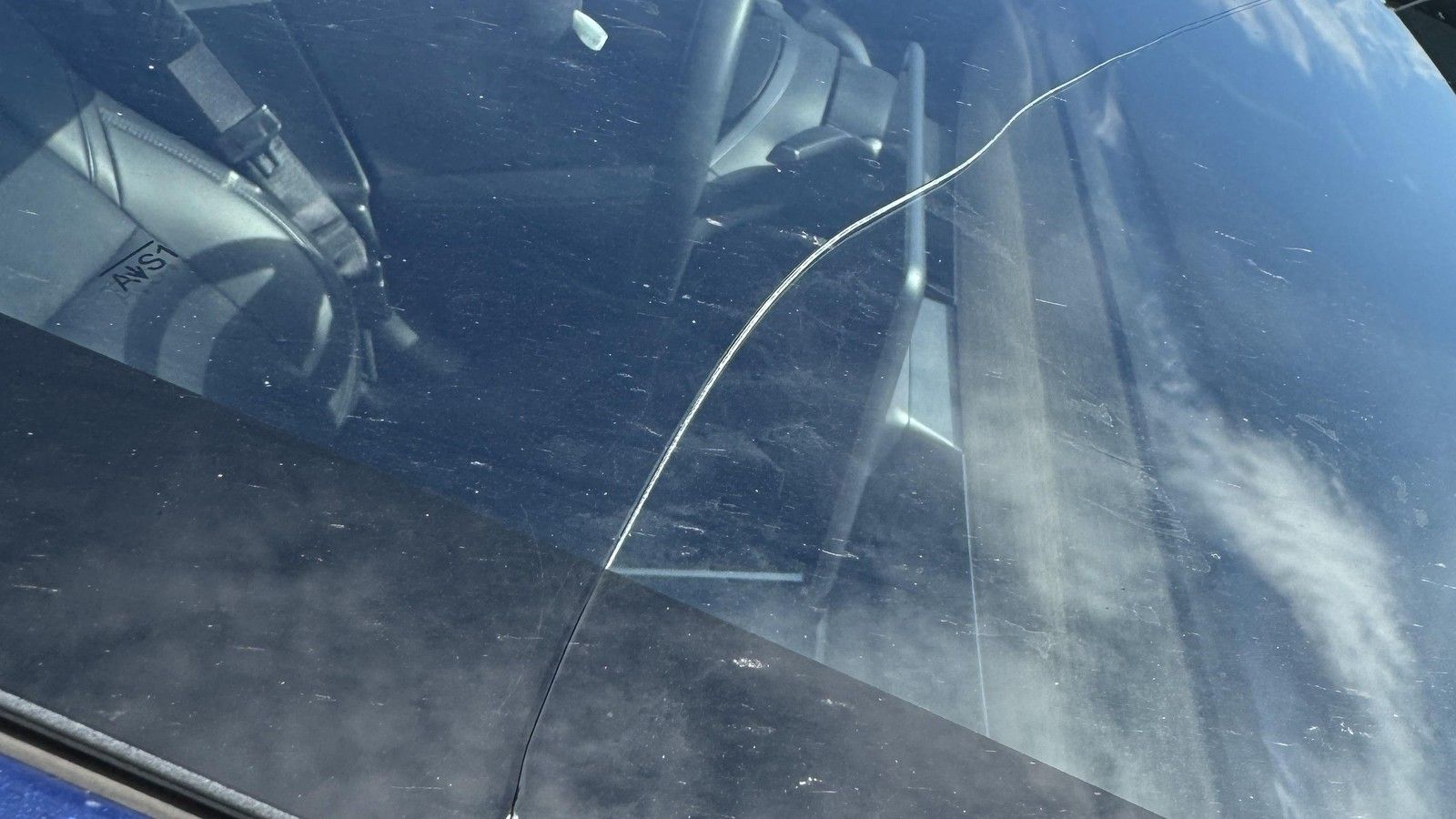
Can you drive with a cracked windscreen in Australia? Learn state laws, fines, roadworthy rules and insurance facts. JD Windscreens explains it all.
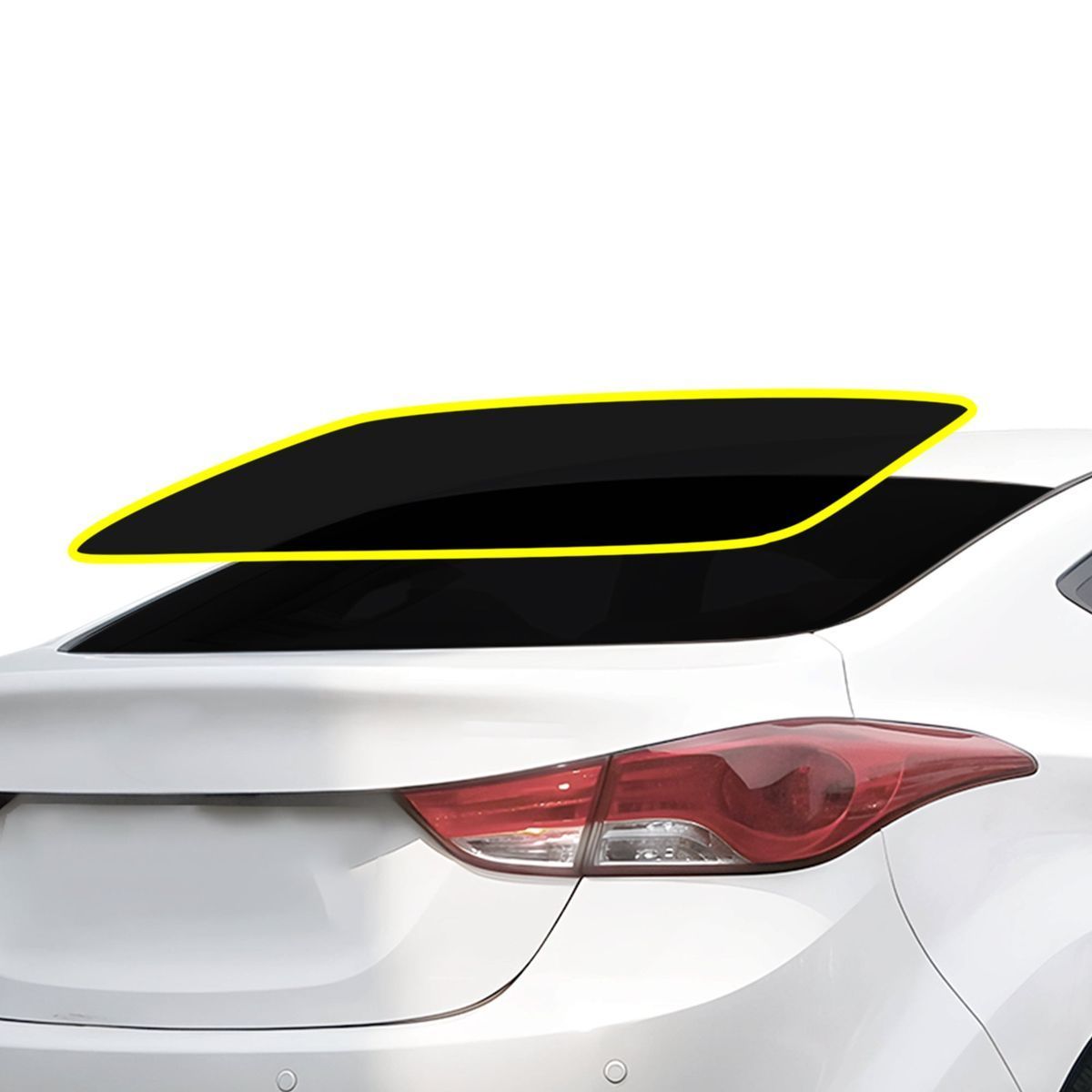
Australia has some of the highest UV levels in the world. Learn how UV and heat-rejection window tinting works, which film type suits your vehicle and how tinting affects windscreen replacement.
Rear window demister not working? Learn how demister lines work, why they fail, and when repair or replacement is the right fix. JD Windscreens can help.

Side window shattered? Learn quick steps to secure your car, use temporary fixes, handle insurance, and arrange fast replacement safely.
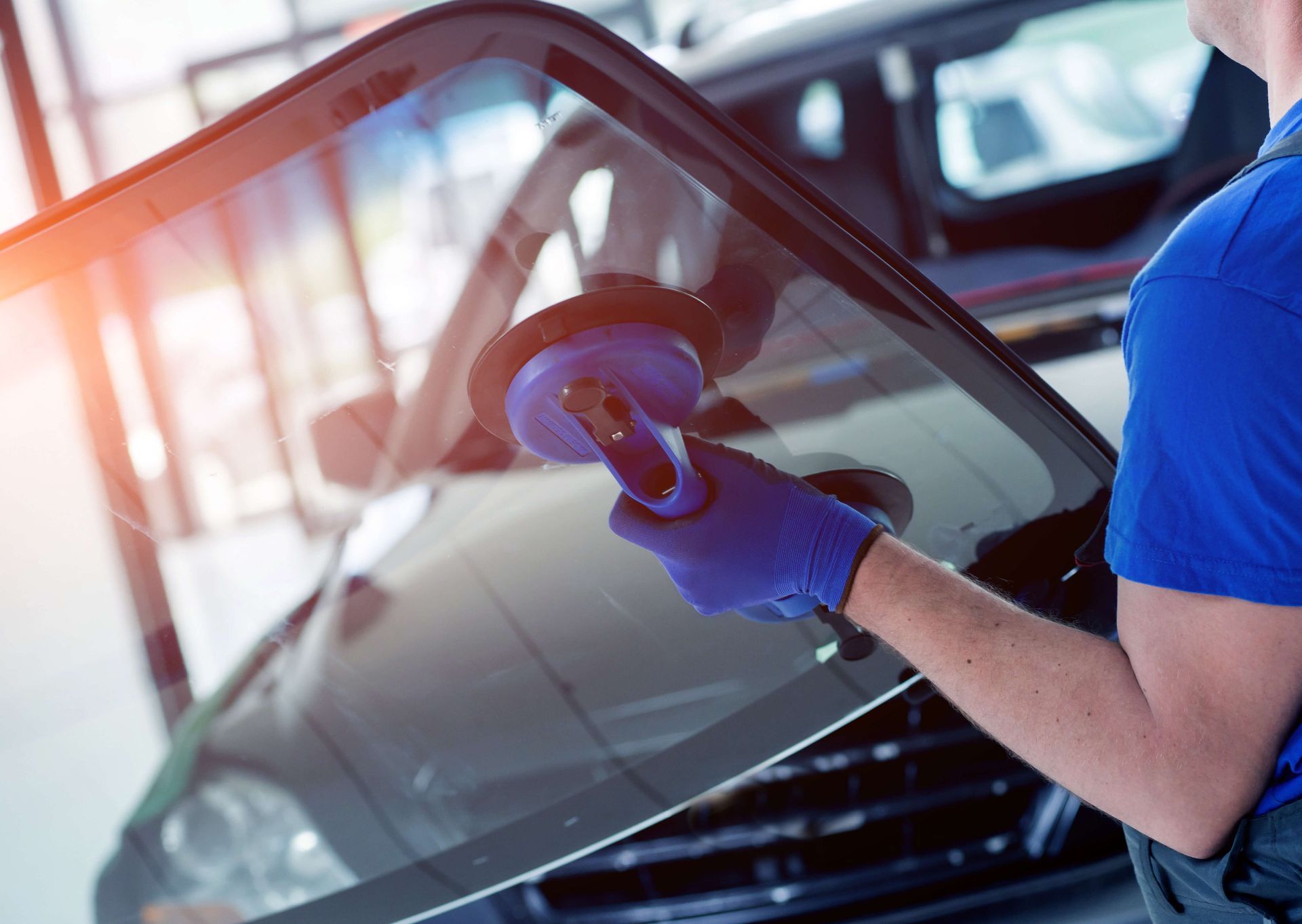
Need to know about windscreen replacement costs in Australia? JD Windscreen offers expert repairs & replacements for all vehicles. Get a free quote today!
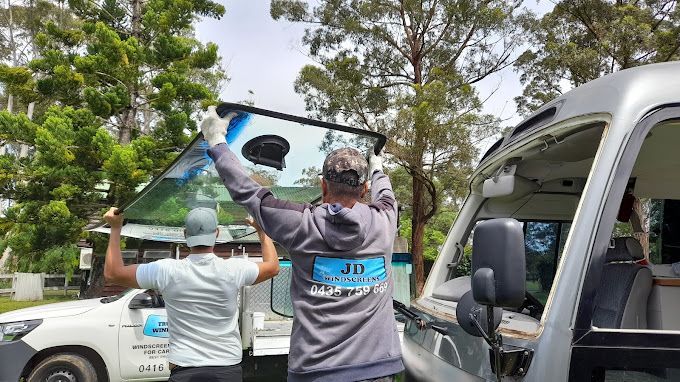
How long does windscreen replacement take in Wodonga? Timing by vehicle type, ADAS calibration, curing time, safety checks, and cost factors explained.
Mobile vs in-shop windscreen chip repair: which is faster, what changes total time, and how weather, moisture, access and curing affect the appointment.
Learn types of car side windows: front, rear, quarter, tempered vs laminated glass, tinted vs clear, and manual vs power replacement.
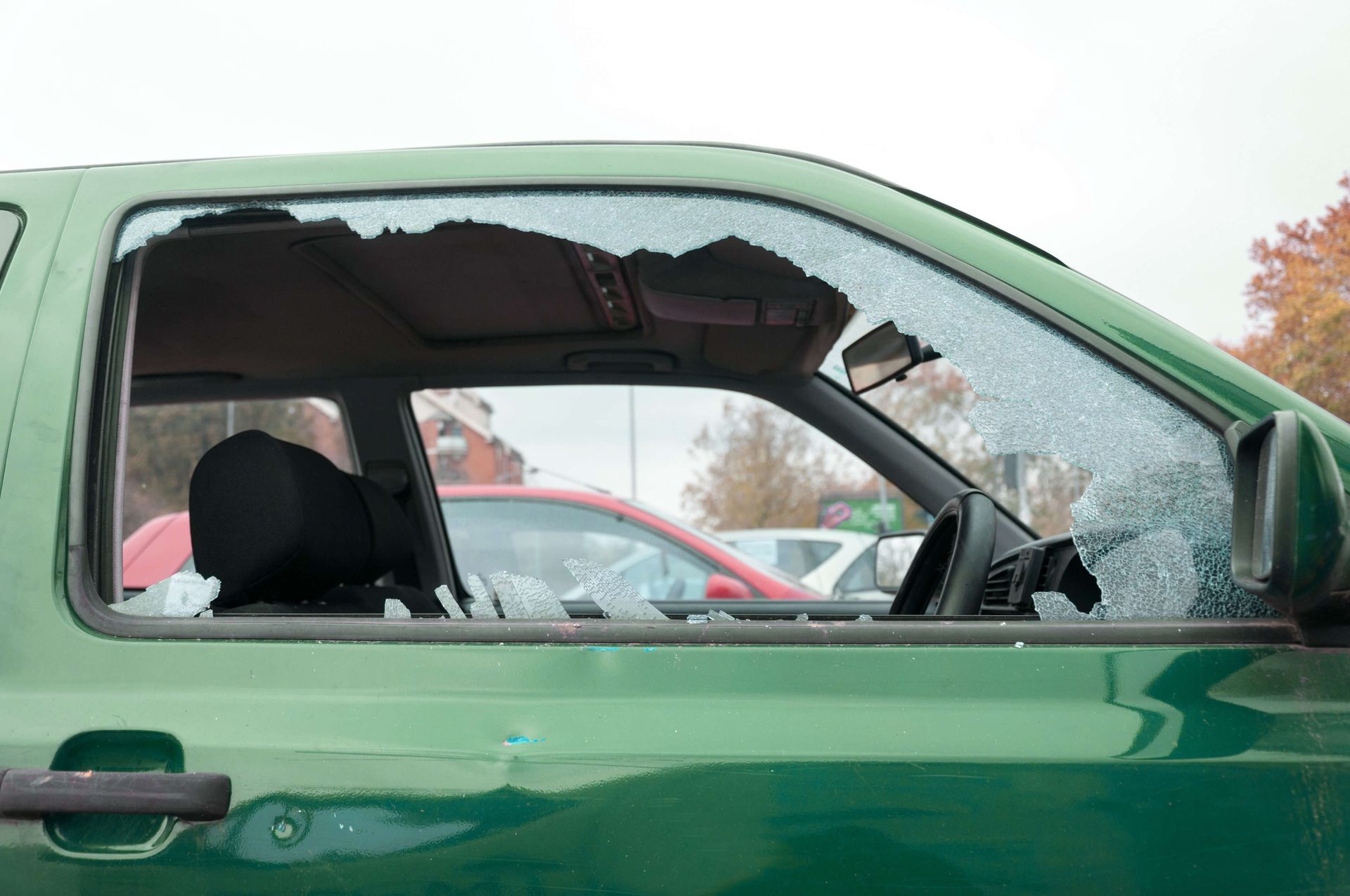
Driving with a broken side window is unsafe and often illegal. Learn the key risks related to a broken side windscreen, DIY steps you can take, and how professional service can help you.
Unsure whether to pick OEM or aftermarket glass? Learn which windscreen suits your car’s safety, sensors, and budget, and how JD Windscreens can help.