
info@jdwindscreens.com.au



Rear Window Demister Lines: How They Work, Repairs & Common Issues
JD Windscreens • June 30, 2026
Most drivers press the rear window demister button without thinking much about what happens next. The fog clears, visibility returns, and the drive continues safely. But when those thin lines on the rear window stop working, the difference becomes obvious very quickly, especially on a cold morning or after heavy rain. A rear window that stays fogged up is not just uncomfortable to drive with. It is a visibility problem that affects how safely the vehicle can be operated every time conditions turn wet or cold.
At JD Windscreens, we see demister line damage regularly alongside cracked and broken glass, and the fault is often misunderstood by drivers who either ignore it or attempt a repair that does not address the real cause. This guide explains exactly how a rear window demister system works, what causes it to fail, how to tell whether the fault is in the glass or the wiring, and when a repair kit is a reasonable option.
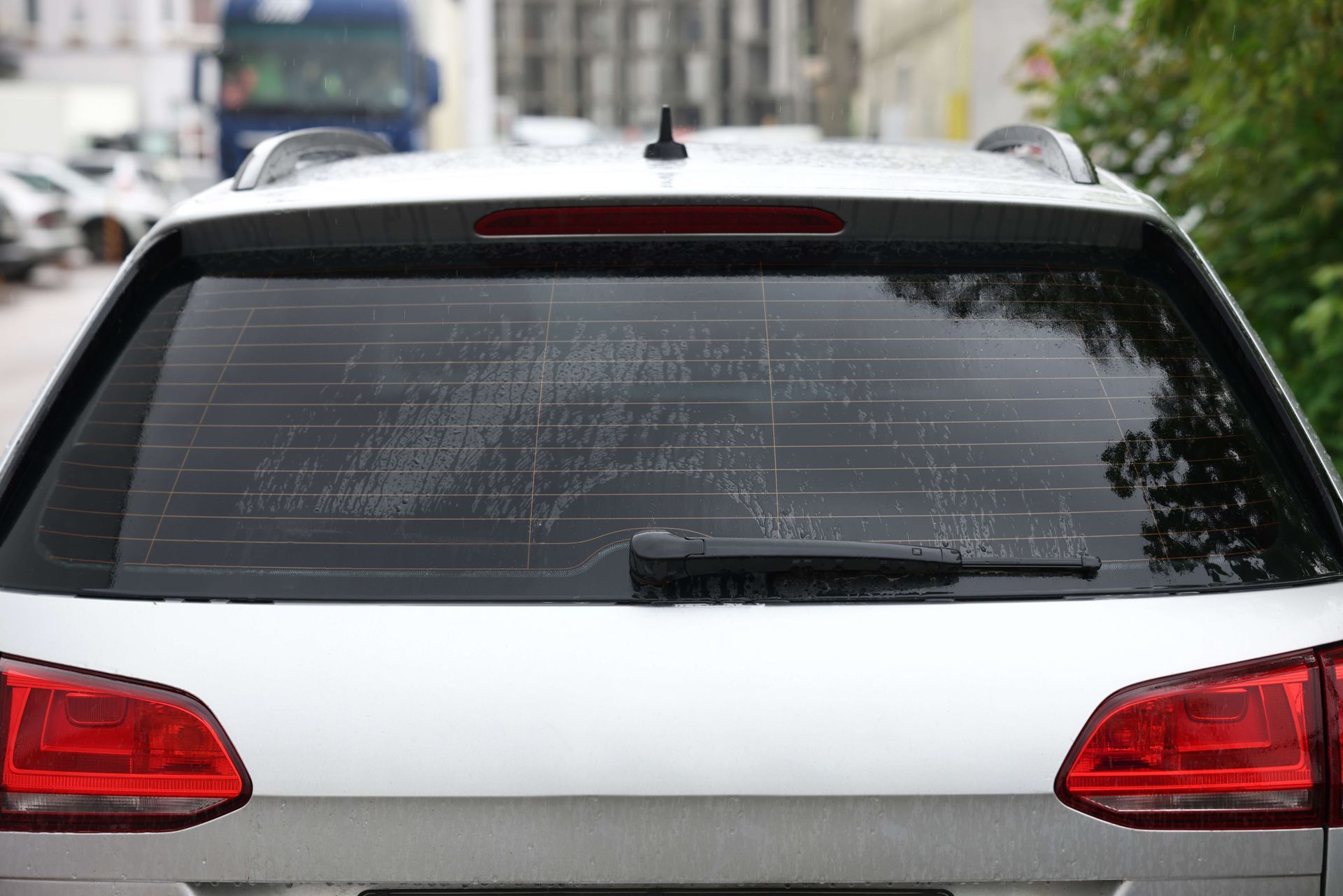
What Are the Lines on Your Rear Window?
The thin horizontal lines printed across your rear window are the heating elements of the rear window demister system. They are not wires embedded inside the glass, as many drivers assume. They are fine lines of electrically conductive paint applied directly to the inner surface of the glass during manufacturing, forming a complete electrical circuit that runs from one side of the window to the other. Each line connects to a metal tab on each side of the glass, which links the circuit to the vehicle's electrical system through a wiring loom running into the body of the car.
On newer vehicles, manufacturers have refined the conductive paint formula to make the lines much thinner and less visible than on older cars. Some modern vehicles use what is known as a rear window invisible demister, where the heating elements are so fine they are barely noticeable from inside the cabin while still clearing fog and frost just as effectively. The fundamental principle has not changed, but the manufacturing precision has improved significantly, which is also why DIY repair kits that work reasonably well on older vehicles with thick visible lines often struggle to produce a clean and functional result on the finer elements found on newer cars.
How Does a Rear Window Demister Actually Work?
When you press the rear window demister button, the vehicle's electrical system sends current from the battery through the fuse, through the relay, and into the heating element grid printed on the glass. The conductive paint lines have a specific electrical resistance that causes them to generate heat as current passes through them. This heat warms the inner glass surface above the dew point, which causes any fog, moisture, or frost on the outer surface to evaporate or melt away. On most vehicles, the system runs on a timed circuit that automatically shuts off after several minutes to protect the battery.
The heating elements become warm enough to clear condensation and light frost from the glass, although operating temperatures vary between vehicle models. The rear window demister works entirely independently from the vehicle's air conditioning or heating system, which means it can fail for electrical reasons even when the rest of the car's climate system works perfectly.
Common Issues With Rear Window Demister Lines
Rear window demister systems fail in predictable patterns, and most faults fall into one of a small number of categories. Understanding which category the fault belongs to is what determines whether a simple DIY repair, a professional electrical fix, or a full rear window replacement is the right next step. The most common issue drivers notice first is a partial demister where some horizontal strips clear normally while others stay cold and foggy. This almost always means there is a break in the specific grid lines that are not heating, while the rest of the circuit remains intact and functional.
A full demister failure where none of the lines heat up at all is a different fault entirely and points toward the power supply rather than the glass itself. This is typically caused by a blown fuse, a failed relay, a detached connection tab on the side of the glass, or a wiring loom fault caused by the wiring inside the tailgate or boot hinge fatiguing and breaking internally after years of repeated opening and closing. Tint film removal is another very common cause of demister damage that drivers do not anticipate, where the adhesive bonds strongly to the conductive paint and tears sections of the grid away from the glass surface as the film is peeled off.
Why Has Rear Window Demister Stopped Working?
A rear window demister can stop working for several reasons, and the cause is not always visible from looking at the glass. The most common faults are a blown fuse, a broken or separated connection tab on the side of the glass, a break in one or more of the printed grid lines, or a fault in the wiring loom that runs through the tailgate or boot lid hinge area. When aftermarket window tint is removed, the adhesive can bond strongly to the conductive paint lines and tear sections of the grid away with the film as it peels, leaving missing sections rather than fine breaks that are far harder to repair with a standard kit.
Common causes of rear window demister failure include:
- A blown fuse in the vehicle's fuse box cutting power to the entire heating system
- A broken or detached connection tab where the wiring meets the glass on either side
- A break in one or more of the printed conductive paint grid lines on the glass surface
- Wiring loom fatigue caused by repeated flexing at the tailgate or boot hinge over time
- Tint film removal tearing sections of conductive paint from the inner glass surface
- Corrosion at the connection points between the external wiring and the glass tabs
When Does a Rear Window Need Full Replacement?
There are clear situations where attempting to repair rear window demister lines is no longer the right answer and full replacement delivers a more dependable outcome. When multiple grid lines are broken across a wide area of the window, the repair scope becomes too extensive for conductive adhesive to address reliably. When conductive paint has been torn away in sections by tint removal rather than broken cleanly, there is no intact surface for the repair adhesive to bond to properly on both sides of the gap, which means the repair will not hold under normal driving conditions.
Rear window replacement is also the right choice when the glass itself is cracked or chipped, when the rubber seal around the window has deteriorated and is allowing moisture into the vehicle, or when demister failure is combined with any structural damage to the glass. A replacement rear window comes with a fully intact heating element system as part of the standard glass, which means replacement resolves both the glass damage and the demister issue together in a single visit. If the rubber seal around the window has also hardened or pulled away from the glass edge, our windscreen rubber replacement service can be carried out at the same time so the vehicle is fully sealed and the new glass is protected from moisture intrusion from the start.
Frequently Asked Questions (FAQs)
Why do only some of the demister lines on my rear window work while others stay cold?
When only specific grid lines fail to clear, the fault is almost certainly a break in those individual lines rather than a fuse or relay problem. A blown fuse cuts power to the entire circuit so no lines heat up at all. A partial demister means electricity is reaching the grid but being interrupted at a specific point along the affected lines. For multiple breaks or damage near the connection tabs, professional assessment delivers a more reliable result than repeated DIY attempts.
Can removing window tint from a rear window permanently damage the demister lines?
Yes, aftermarket tint film bonds directly to the inner glass surface where the conductive paint grid lines sit. When the film is removed, particularly after several years when the adhesive has fully cured, it can pull sections of conductive paint away from the glass surface with it. For minor damage across one or two short breaks, a kit may help. For extensive damage across multiple lines, rear window replacement is the more practical solution.
What is the difference between a demister repair kit and professional repair?
A repair kit is designed for short clean breaks of a few millimetres in a single grid line where the conductive paint is intact on both sides of the gap. It is a reasonable first step for one cold stripe in an otherwise working demister. A professional can also identify electrical faults in the wiring that a repair kit cannot address at all.
Does a rear window replacement come with a new demister system included?
Yes. A replacement rear window comes with the heating element grid lines already applied to the inner surface as part of the standard glass manufacturing process. Once the new glass is correctly installed and the wiring reconnected to the connection tabs on each side, the demister system functions normally without any separate installation.
How do I know whether the fault is in the grid lines or in the electrical wiring?
The demister indicator light on the button is the most useful first check. If the light does not come on when the button is pressed, the fault is in the power supply, meaning the fuse, relay, or switch, rather than the glass itself. A wiring loom fault is particularly common on hatchbacks and SUVs where the wiring flexes repeatedly through the boot hinge over time.
Contact JD Windscreen For Reliable Service
If your rear window demister has stopped working, whether it is one cold stripe or a full failure, the right first step is finding out exactly what is causing the problem before spending money on a repair kit that may not solve it.
JD Windscreens provides professional rear window assessment and rear window replacement with same-day mobile service, a lifetime workmanship warranty, and a best price guarantee on every job. Contact us today for a free quote.
More Windshield Cleaning Tips, Tricks & Tools
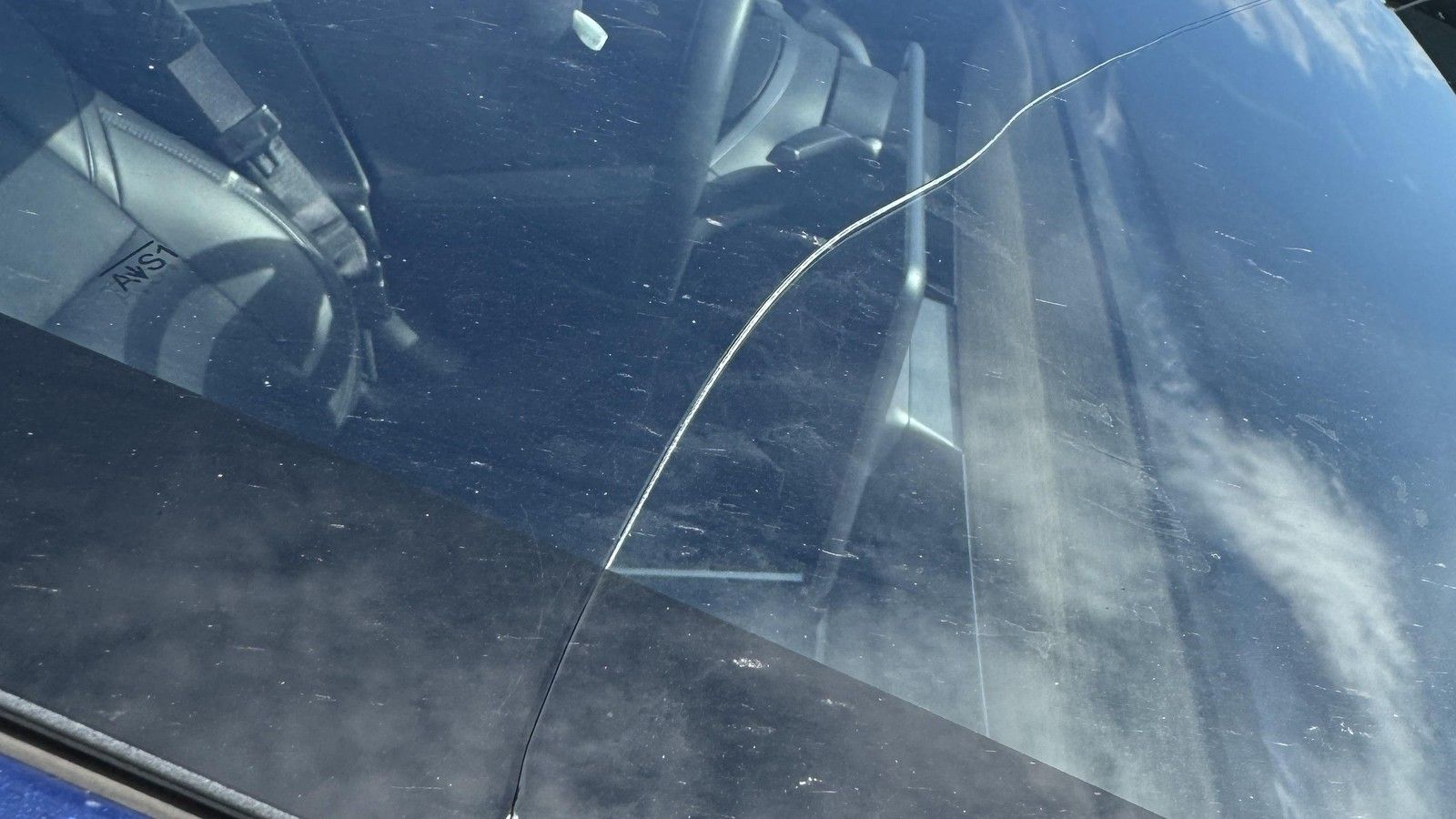
Can you drive with a cracked windscreen in Australia? Learn state laws, fines, roadworthy rules and insurance facts. JD Windscreens explains it all.
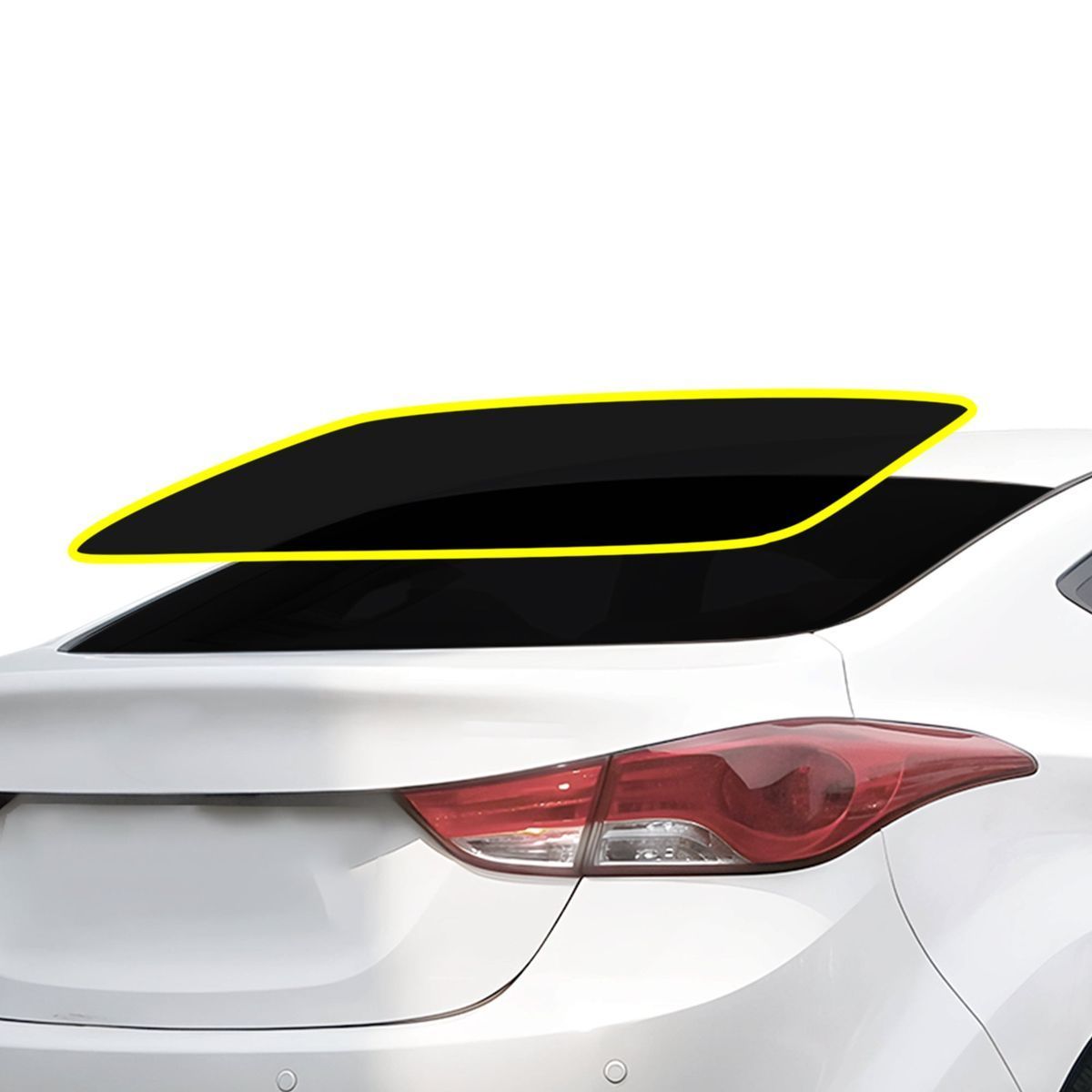
Australia has some of the highest UV levels in the world. Learn how UV and heat-rejection window tinting works, which film type suits your vehicle and how tinting affects windscreen replacement.
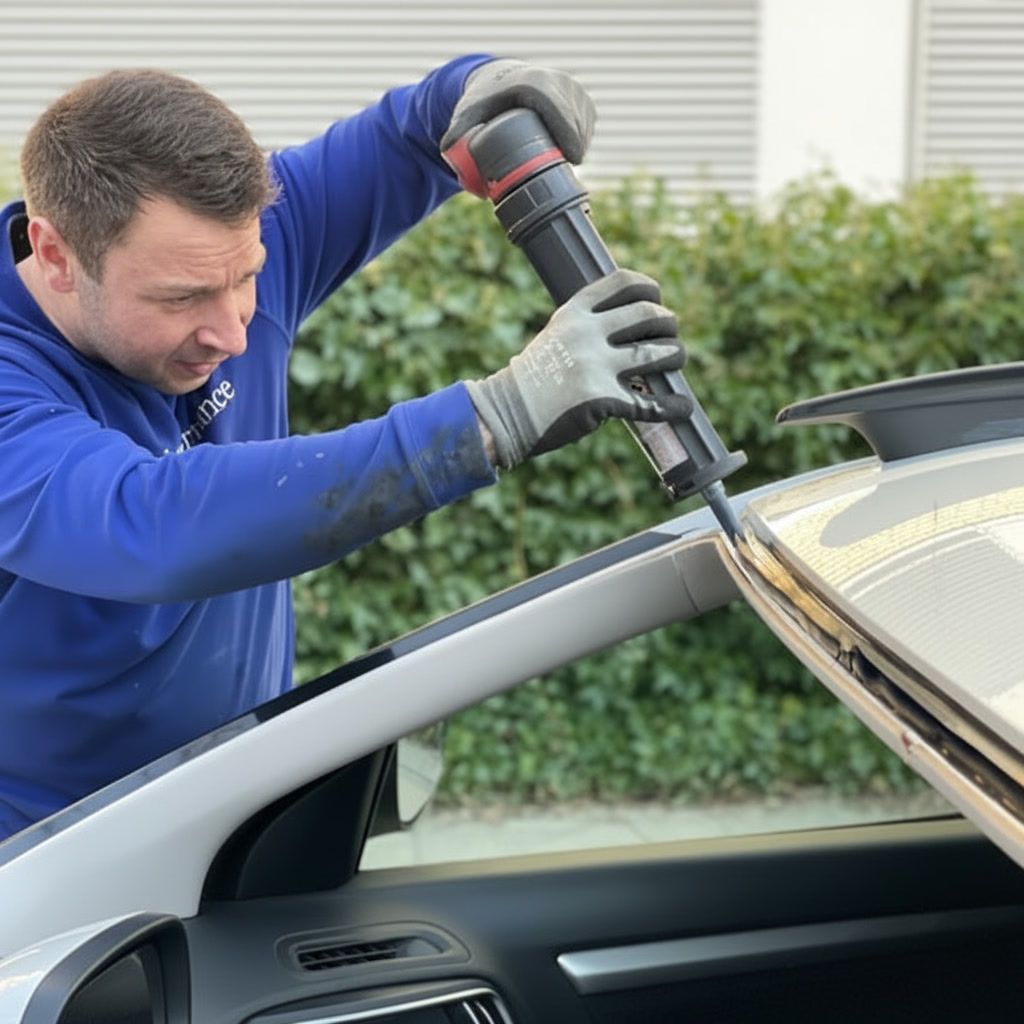
Compare OEM and aftermarket glass for Toyota and European windscreen replacement, including ADAS calibration, cost, safety, and glass choice.
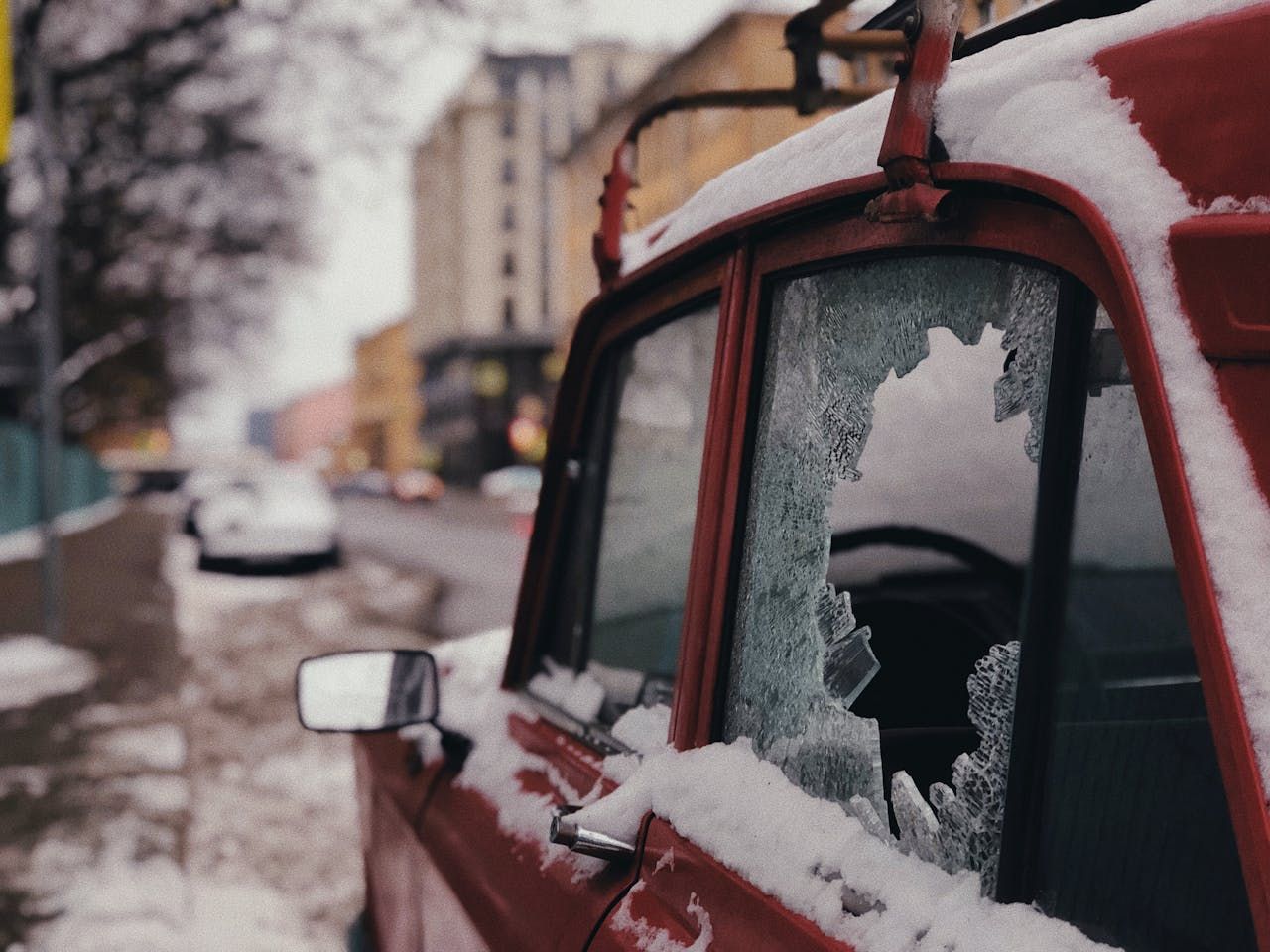
Side window shattered? Learn quick steps to secure your car, use temporary fixes, handle insurance, and arrange fast replacement safely.
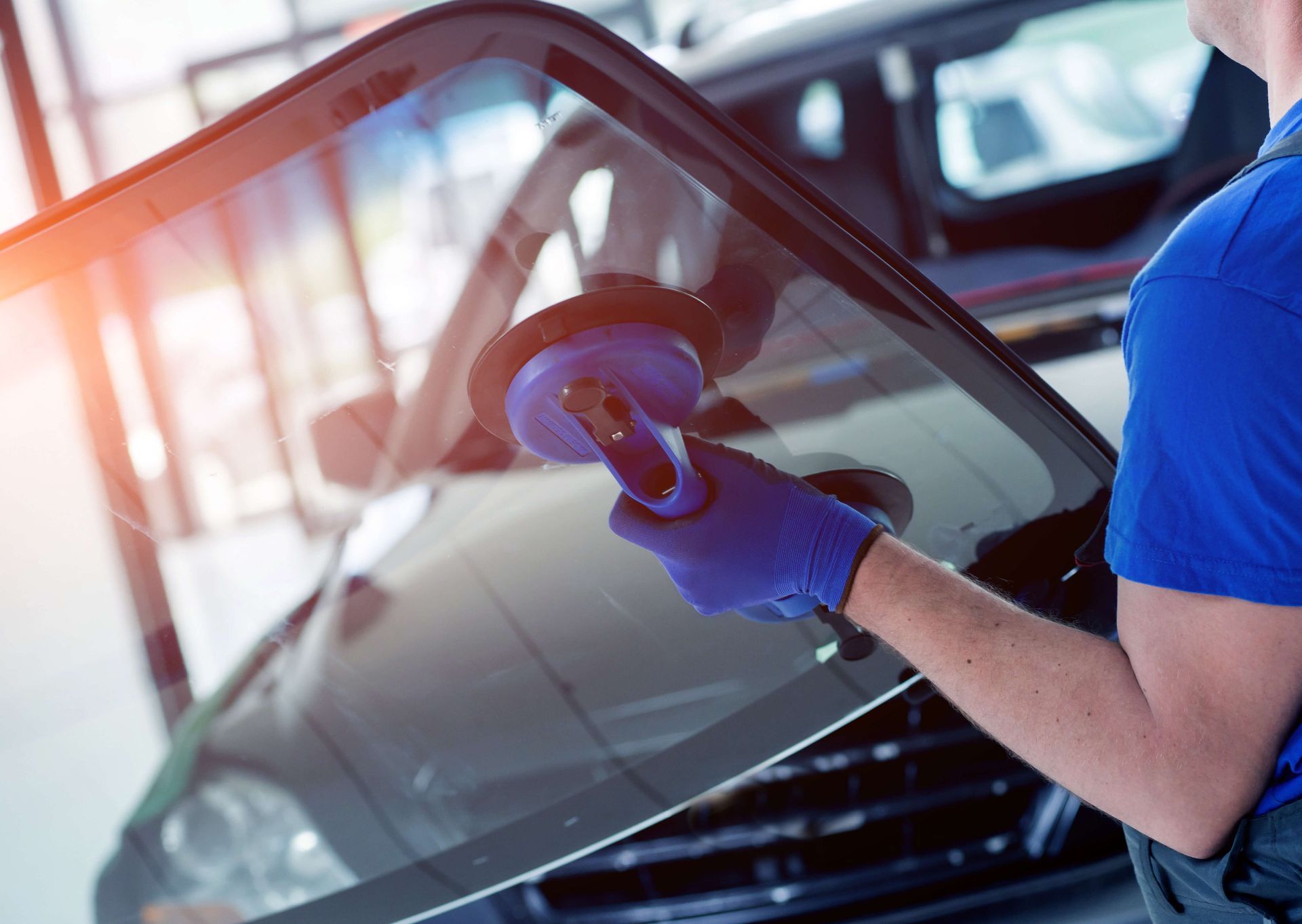
Need to know about windscreen replacement costs in Australia? JD Windscreen offers expert repairs & replacements for all vehicles. Get a free quote today!
How long does windscreen replacement take in Wodonga? Timing by vehicle type, ADAS calibration, curing time, safety checks, and cost factors explained.
Mobile vs in-shop windscreen chip repair: which is faster, what changes total time, and how weather, moisture, access and curing affect the appointment.
Learn types of car side windows: front, rear, quarter, tempered vs laminated glass, tinted vs clear, and manual vs power replacement.
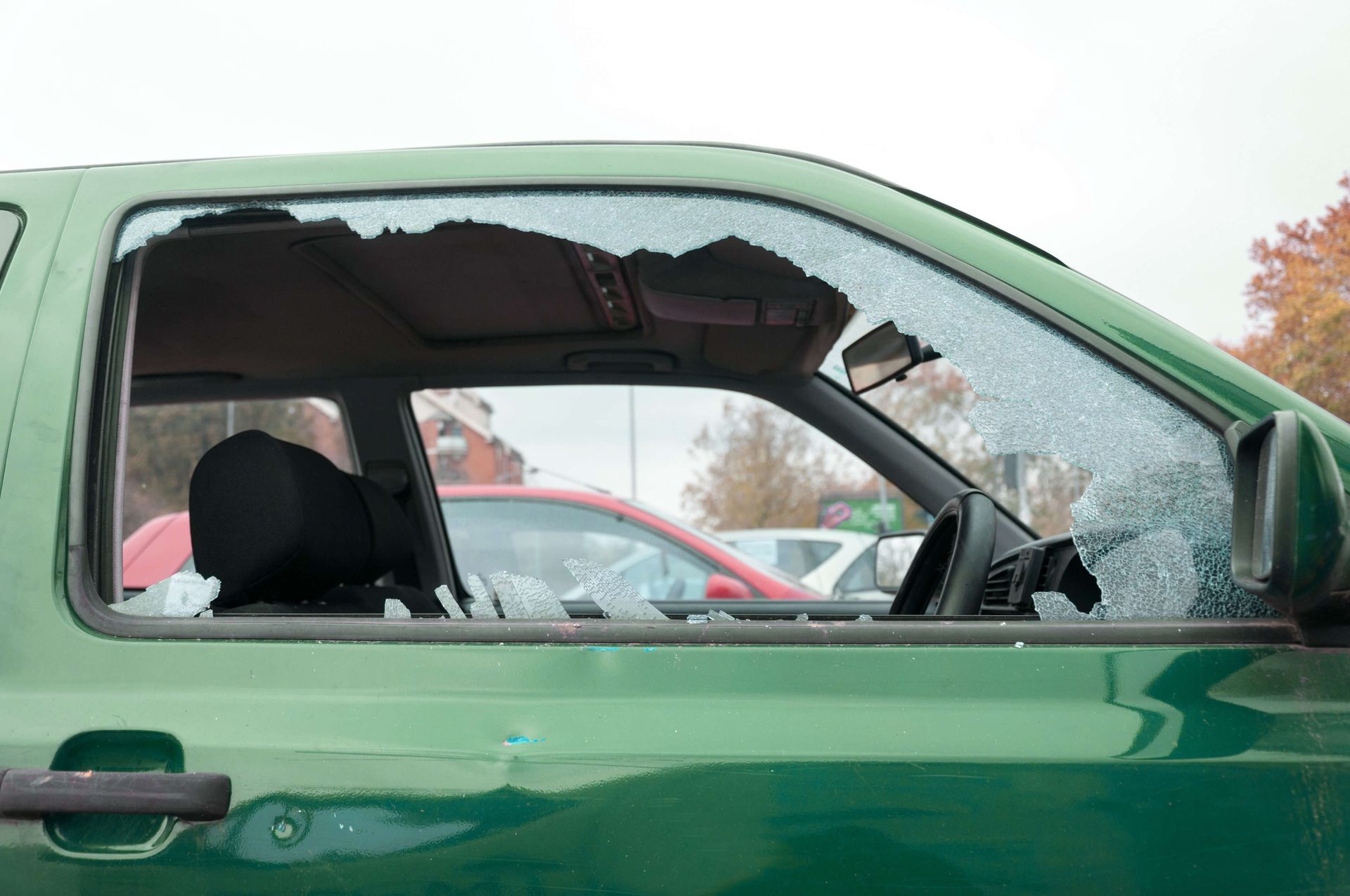
Driving with a broken side window is unsafe and often illegal. Learn the key risks related to a broken side windscreen, DIY steps you can take, and how professional service can help you.
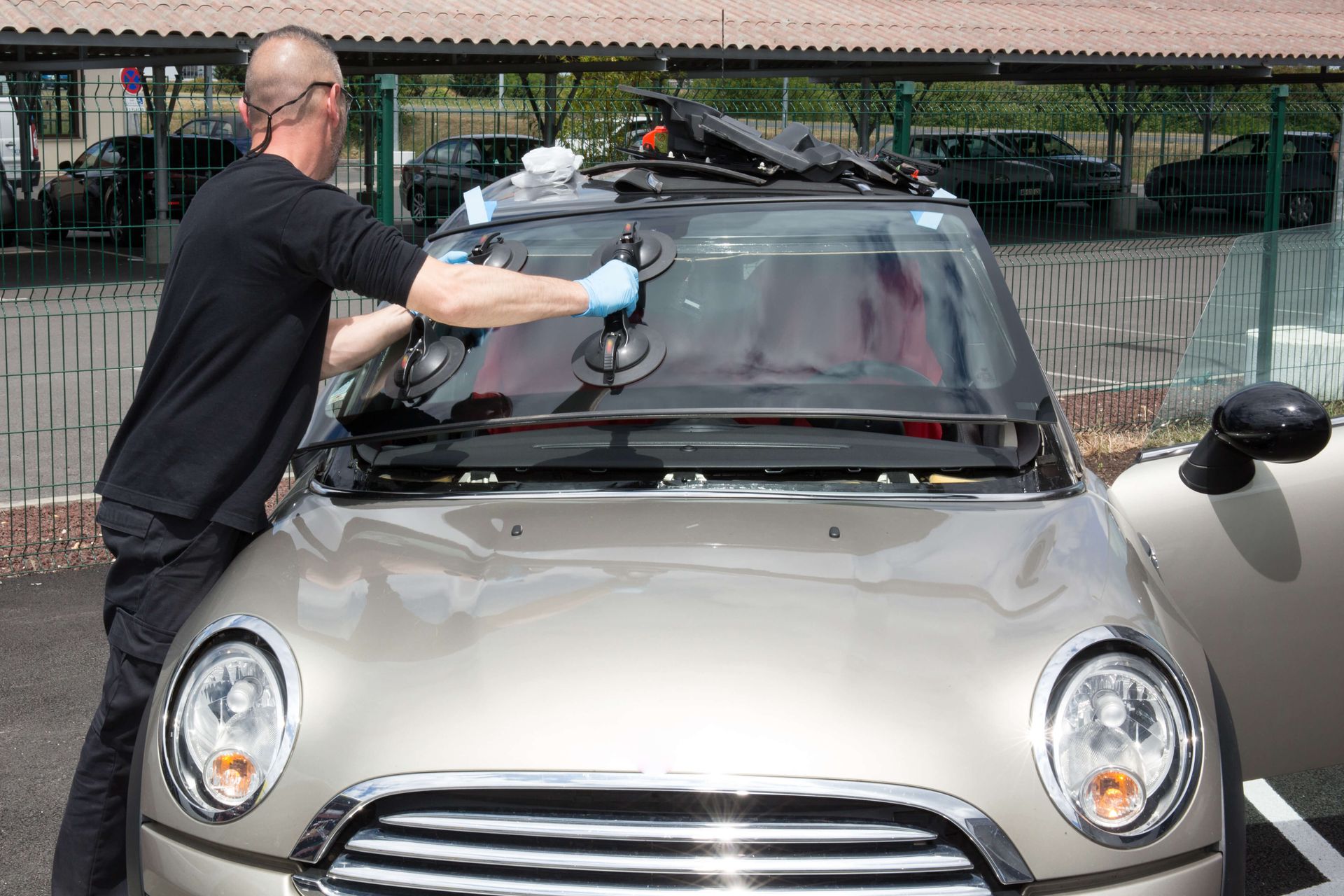
Unsure whether to pick OEM or aftermarket glass? Learn which windscreen suits your car’s safety, sensors, and budget, and how JD Windscreens can help.