
info@jdwindscreens.com.au



Can You Drive with a Cracked Windscreen in Australia? Legal, Safety & Insurance Rules
JD Windscreens • September 30, 2026
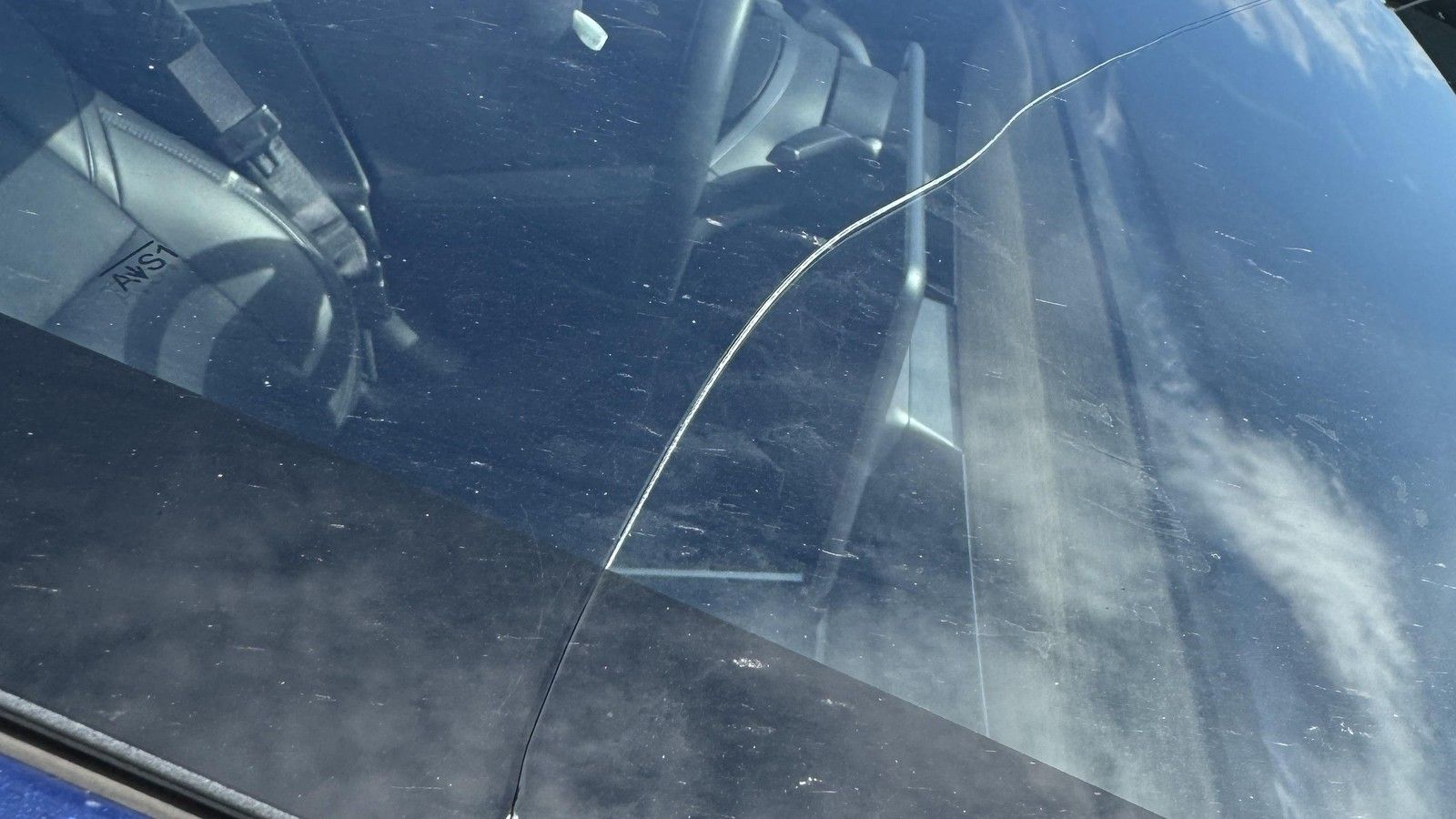
You're running late. You jump in the car, glance at the windscreen, and there it is: a crack. It wasn't there yesterday. It's maybe ten centimeters long, running along the passenger side. Your first thought: can you drive with a cracked windscreen?
It's the question thousands of Australian drivers ask every month. And the answer isn't a simple yes or no. It depends on where the crack is, how big it is, and which state you're driving in.
Let's break it down properly. At JD Windscreens, we see this every day, and most drivers are surprised by what the law actually says.
The Short Answer
If the damage sits in your line of sight anywhere you look through to see the road, you cannot legally drive. That's true in every Australian state and territory.
If it's a small chip off to the side, outside your viewing area, you can usually drive straight to a repairer. But "usually" comes with conditions. And those conditions matter more than most people realize.
Is It Illegal to Drive with a Cracked Windscreen?
Yes, if it obstructs your vision.
Every state has its own road rules, but they all agree on one principle: your windscreen must give you a clear view of the road. Damage in your line of sight is a defect, not a warning.
Penalties vary by state; fines can run into the hundreds of dollars, and you may be issued a defect notice. For current rules and fines in your state, check your local transport authority such as Transport for NSW or VicRoads.
If an officer decides your car is unroadworthy, you could be ordered off the road on the spot.
When You Can Still Drive
You can legally drive with windscreen damage if:
- The chip or crack is smaller than a five-cent coin
- It's not in your line of sight
- It's not on the edge of the glass
- It hasn't started spreading
But here's the catch. Even when it's legal, it's temporary. Heat expands the glass. Road vibrations work at the edges. That small chip you ignored on Monday can be a full crack by Friday.
Drive straight to a repairer. Don't wait.
Will You Pass Roadworthy with a Cracked Windscreen?
No. If the crack is in your line of sight, you'll fail.
Every state's roadworthy inspection checks windscreen condition. A cracked windscreen in your viewing area means an automatic fail. You'll need to fix it before you can register or sell the car.
If you're selling a vehicle, buyers walk away from cracked windscreens. It signals neglect, and they know a replacement could cost them hundreds. If you're unsure whether your damage needs repair or a full replacement, our guide on
windscreen repair
or replacement explains exactly where the line sits.
Frequently Asked Questions (FAQs)
Does window tinting actually reduce skin cancer risk during driving?
Standard automotive glass blocks most UVB radiation but allows a significant proportion of UVA through, and UVA contributes to melanoma risk with chronic exposure. Australian drivers accumulate meaningful UVA exposure over years of commuting, and the left arm and face typically show more UV damage due to window-side sun exposure.
What is the difference between heat rejection and UV protection in a window tint?
UV protection blocks ultraviolet radiation responsible for skin damage and interior material fading. Heat rejection blocks infrared radiation responsible for the radiant heat sensation and elevated cabin temperature. A film can perform well at one without performing well at the other, some clear UV films block nearly all UV but allow most infrared through. High-performance ceramic films address both simultaneously, which is why they are the recommended choice for Australian driving conditions.
Is ceramic window tint worth the extra cost compared to carbon or dyed film?
For most Australian drivers keeping a vehicle for several years, ceramic film is worth the premium. It rejects significantly more infrared than carbon or dyed films, maintains colour without fading or delaminating, and carries no electronic signal interference. Dyed film typically shows a purple colour shift and performance loss within two to five years. Carbon film is a practical middle ground for budget-conscious drivers wanting better performance than dyed film without the full ceramic price.
Can window tinting be applied to the windscreen as well as side and rear windows?
A tinted strip is permitted across the top of the windscreen above the AS1 line. Below that line, applying tint is not legal under Australian Design Rules and creates a safety risk. For UV and heat protection on the main windscreen area, clear UV-blocking films that do not reduce visible light transmission are the correct solution.
How long does quality window tinting last, and what maintenance does it need?
Premium ceramic films carry lifetime warranties against fading, bubbling, and colour change when professionally installed. Dyed films typically begin fading within two to five years under Australian sun conditions. Carbon and ceramic films are colour-stable and do not discolour over time. Avoid ammonia-based cleaners as they degrade the adhesive; a mild soap solution and soft microfibre cloth are all that is needed. Avoid winding windows for two to four weeks after installation until the adhesive has fully cured.
Contact JD Windscreens About Window Tinting and Vehicle Glass
Whether you need advice on the right window tint for your vehicle, a windscreen replacement coordinated with a tinting appointment, or a glass assessment for a vehicle with existing tint or glass damage, JD Windscreens can help with honest advice and same-day mobile service.
Contact JD Windscreens today for a free quote with no obligation.
More Windshield Cleaning Tips, Tricks & Tools
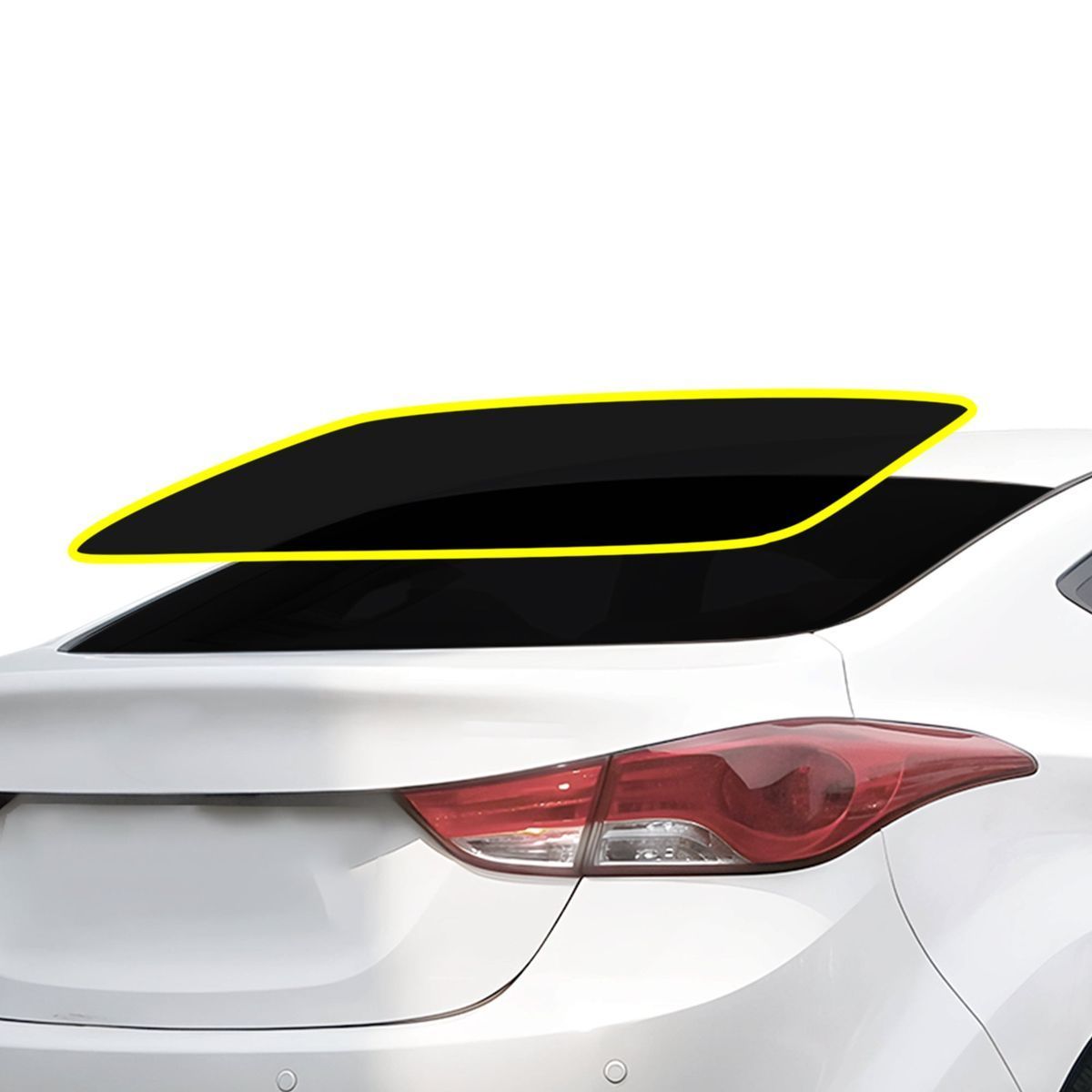
Australia has some of the highest UV levels in the world. Learn how UV and heat-rejection window tinting works, which film type suits your vehicle and how tinting affects windscreen replacement.
Rear window demister not working? Learn how demister lines work, why they fail, and when repair or replacement is the right fix. JD Windscreens can help.
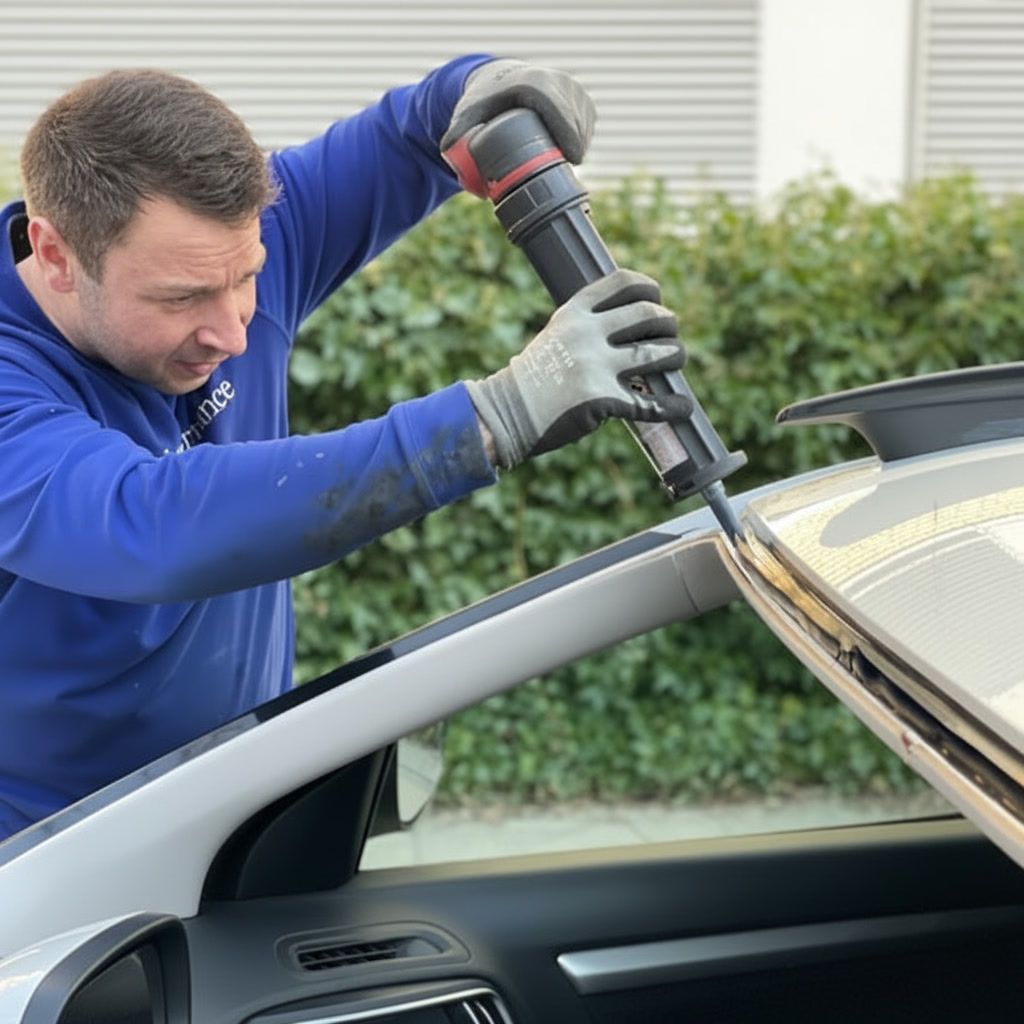
Compare OEM and aftermarket glass for Toyota and European windscreen replacement, including ADAS calibration, cost, safety, and glass choice.

Side window shattered? Learn quick steps to secure your car, use temporary fixes, handle insurance, and arrange fast replacement safely.
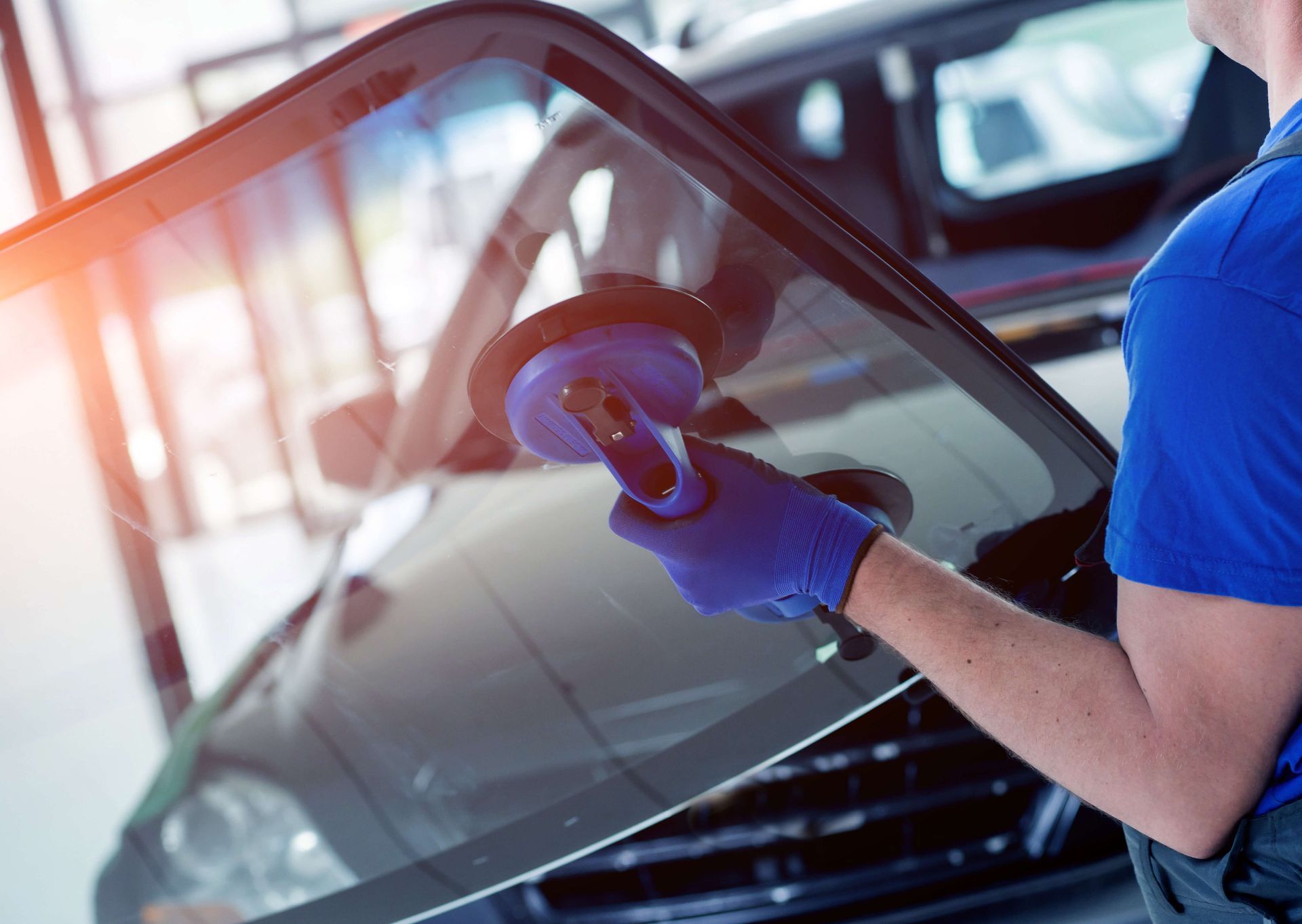
Need to know about windscreen replacement costs in Australia? JD Windscreen offers expert repairs & replacements for all vehicles. Get a free quote today!
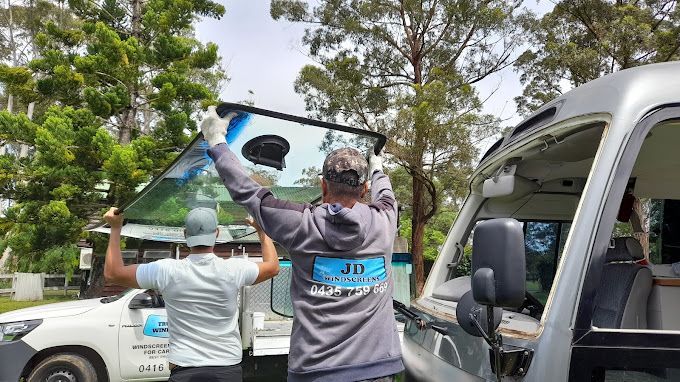
How long does windscreen replacement take in Wodonga? Timing by vehicle type, ADAS calibration, curing time, safety checks, and cost factors explained.
Mobile vs in-shop windscreen chip repair: which is faster, what changes total time, and how weather, moisture, access and curing affect the appointment.
Learn types of car side windows: front, rear, quarter, tempered vs laminated glass, tinted vs clear, and manual vs power replacement.
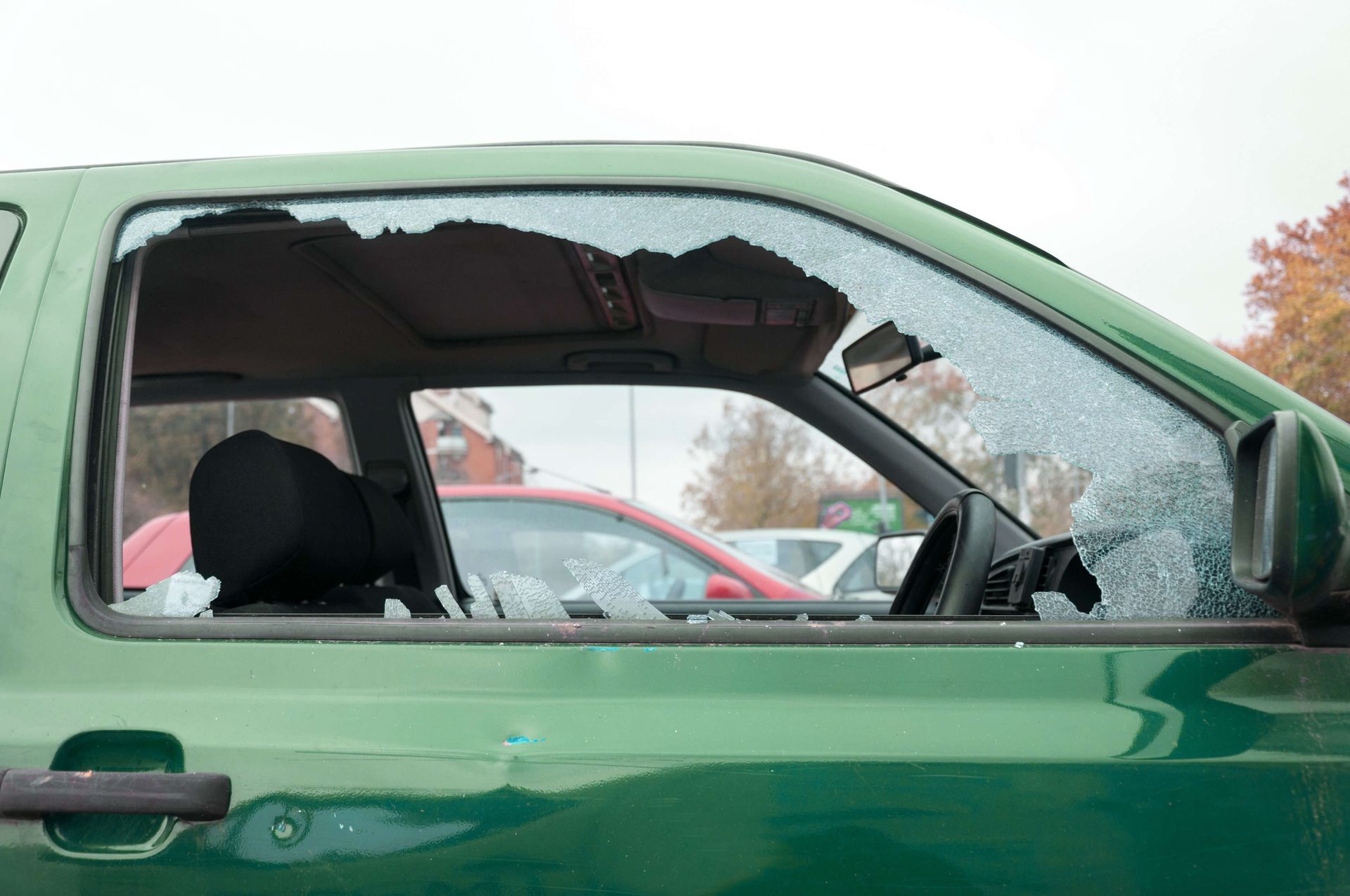
Driving with a broken side window is unsafe and often illegal. Learn the key risks related to a broken side windscreen, DIY steps you can take, and how professional service can help you.
Unsure whether to pick OEM or aftermarket glass? Learn which windscreen suits your car’s safety, sensors, and budget, and how JD Windscreens can help.