
info@jdwindscreens.com.au



How UV & Heat-Rejection Window Tinting Protects Your Car
JD Windscreen • July 31, 2026
Australia has some of the highest UV radiation levels in the world, and every drive exposes the people inside the car and the surfaces around them to solar energy that causes damage well before it becomes visible. Window tinting is one of the most effective and practical ways to reduce that exposure, but not all window tints work the same way, and not all of them deliver the heat rejection and UV protection that quality films can achieve. Understanding how different tint types work helps drivers make better decisions for their vehicle, comfort, and health.
At JD Windscreens, we work on vehicle glass across Sydney, Melbourne, Brisbane, and the Gold Coast, and window tinting is one of the most common questions we receive alongside windscreen replacement and repair. This guide explains how UV and heat-rejection tinting works, what the different film types deliver, what NSW law requires, and what drivers need to know before choosing a tint for their vehicle.
How does UV Radiation Affects Your Car and the People Inside It?
The thin horizontal lines printed across your rear window are the heating elements of the rear window demister system. They are not wires embedded inside the glass, as many drivers assume. They are fine lines of electrically conductive paint applied directly to the inner surface of the glass during manufacturing, forming a complete electrical circuit that runs from one side of the window to the other. Each line connects to a metal tab on each side of the glass, which links the circuit to the vehicle's electrical system through a wiring loom running into the body of the car.
On newer vehicles, manufacturers have refined the conductive paint formula to make the lines much thinner and less visible than on older cars. Some modern vehicles use what is known as a rear window invisible demister, where the heating elements are so fine they are barely noticeable from inside the cabin while still clearing fog and frost just as effectively. The fundamental principle has not changed, but the manufacturing precision has improved significantly, which is also why DIY repair kits that work reasonably well on older vehicles with thick visible lines often struggle to produce a clean and functional result on the finer elements found on newer cars.
How Heat-Rejection Window Tinting Works
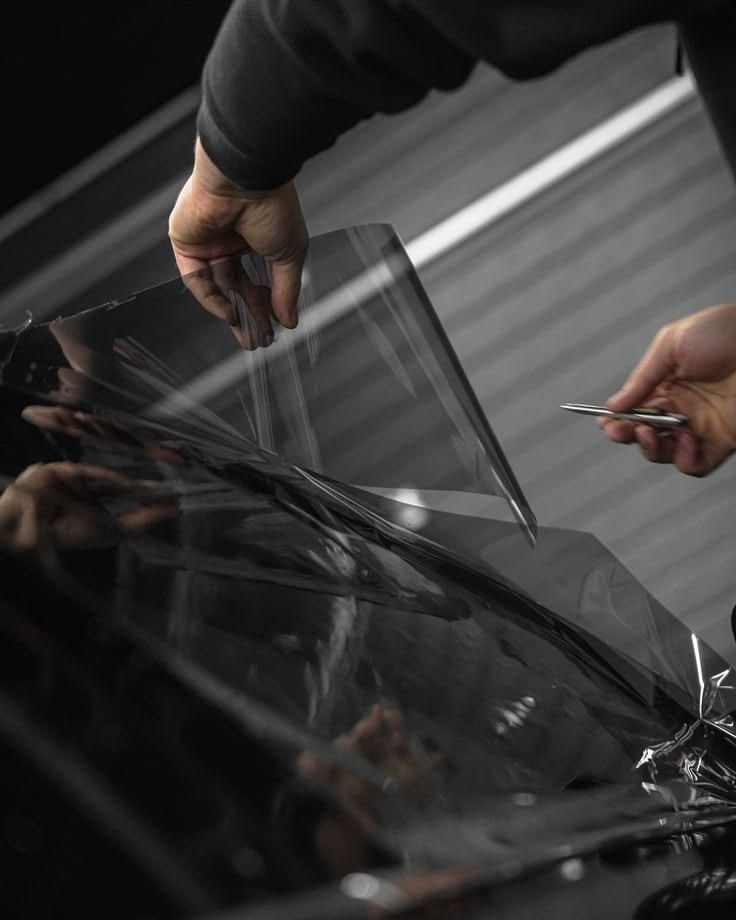
Heat-rejection window tinting works by blocking the solar energy that enters through the glass and converts to heat inside the cabin. Sunlight contains three components relevant to this process: ultraviolet radiation, visible light, and infrared radiation. UV causes the biological and material damage described above. Visible light provides illumination. Infrared radiation, which is invisible to the eye, is responsible for the radiant heat sensation felt when sunlight falls on skin or on surfaces inside the car. Quality heat-rejection tints target the infrared component specifically, blocking it before it passes through the glass and warms the cabin interior.
The practical result of effective heat rejection is a meaningfully cooler car interior, particularly when the vehicle has been parked in direct sunlight and is being re-entered. The rear window is often overlooked in heat-rejection discussions, but it contributes significantly to solar heat entering the cabin, particularly in hatchbacks and SUVs where the rear glass area is large. Our rear window replacement service is regularly combined with tinting appointments for drivers upgrading both the glass and the film across all windows at the same time.
Types of Window Tint and How They Compare
Window tinting in Australia fall into four main categories. Each type delivers a different level of UV protection, heat rejection, and durability. Dyed film is the most basic and fades over time, with limited heat blocking. Carbon film offers better heat rejection, stable colour, and no signal interference. Ceramic film is the premium choice, blocking up to 99 percent of UV and rejecting up to 70 percent of total solar energy without affecting GPS, mobile, or radio signals.
The key differences between the main film types include:
- Dyed film: lowest cost, fades over time, minimal heat and infrared blocking
- Carbon film: colour stable, good heat rejection, no electronic signal interference
- Ceramic film: highest UV and infrared rejection, best clarity, longest lifespan
- Metalised film: strong UV and heat rejection but interferes with GPS and mobile signals
- Clear UV film: nearly invisible, blocks up to 99 percent UV, suits windscreen compliance needs
What Drivers Need to Know About Tinting and Windscreen Replacement
Window tinting film is applied to the inner surface of the vehicle's glass, which means it must be removed when a windscreen or side window is replaced and reapplied to the new glass after installation. The original film stays on the removed glass and is not transferred to the replacement, which means the vehicle owner either has the new glass installed without tinting and arranges a separate tinting appointment afterward, or works with a provider who can coordinate both the replacement and the tinting in a combined service.
The timing matters because the new glass adhesive requires a minimum cure period before the vehicle can be driven, and the tinting film requires clean, uncontaminated glass for proper adhesion. If a rear window with demister lines is being replaced, tint film removal from the rear glass also carries a risk of damaging the printed demister grid if the film has been on the glass for an extended period and the adhesive has fully cured. Our
windscreen replacement service includes advice on the correct sequencing of tinting after replacement so drivers can plan both aspects of the job correctly from the start and avoid compatibility issues between the new glass installation and the tinting appointment.
Frequently Asked Questions (FAQs)
Does window tinting actually reduce skin cancer risk during driving?
Standard automotive glass blocks most UVB radiation but allows a significant proportion of UVA through, and UVA contributes to melanoma risk with chronic exposure. Australian drivers accumulate meaningful UVA exposure over years of commuting, and the left arm and face typically show more UV damage due to window-side sun exposure.
What is the difference between heat rejection and UV protection in a window tint?
UV protection blocks ultraviolet radiation responsible for skin damage and interior material fading. Heat rejection blocks infrared radiation responsible for the radiant heat sensation and elevated cabin temperature. A film can perform well at one without performing well at the other, some clear UV films block nearly all UV but allow most infrared through. High-performance ceramic films address both simultaneously, which is why they are the recommended choice for Australian driving conditions.
Is ceramic window tint worth the extra cost compared to carbon or dyed film?
For most Australian drivers keeping a vehicle for several years, ceramic film is worth the premium. It rejects significantly more infrared than carbon or dyed films, maintains colour without fading or delaminating, and carries no electronic signal interference. Dyed film typically shows a purple colour shift and performance loss within two to five years. Carbon film is a practical middle ground for budget-conscious drivers wanting better performance than dyed film without the full ceramic price.
Can window tinting be applied to the windscreen as well as side and rear windows?
A tinted strip is permitted across the top of the windscreen above the AS1 line. Below that line, applying tint is not legal under Australian Design Rules and creates a safety risk. For UV and heat protection on the main windscreen area, clear UV-blocking films that do not reduce visible light transmission are the correct solution.
How long does quality window tinting last, and what maintenance does it need?
Premium ceramic films carry lifetime warranties against fading, bubbling, and colour change when professionally installed. Dyed films typically begin fading within two to five years under Australian sun conditions. Carbon and ceramic films are colour-stable and do not discolour over time. Avoid ammonia-based cleaners as they degrade the adhesive; a mild soap solution and soft microfibre cloth are all that is needed. Avoid winding windows for two to four weeks after installation until the adhesive has fully cured.
Contact JD Windscreens About Window Tinting and Vehicle Glass
Whether you need advice on the right window tint for your vehicle, a windscreen replacement coordinated with a tinting appointment, or a glass assessment for a vehicle with existing tint or glass damage, JD Windscreens can help with honest advice and same-day mobile service.
Contact JD Windscreens today for a free quote with no obligation.
More Windshield Cleaning Tips, Tricks & Tools
Rear window demister not working? Learn how demister lines work, why they fail, and when repair or replacement is the right fix. JD Windscreens can help.
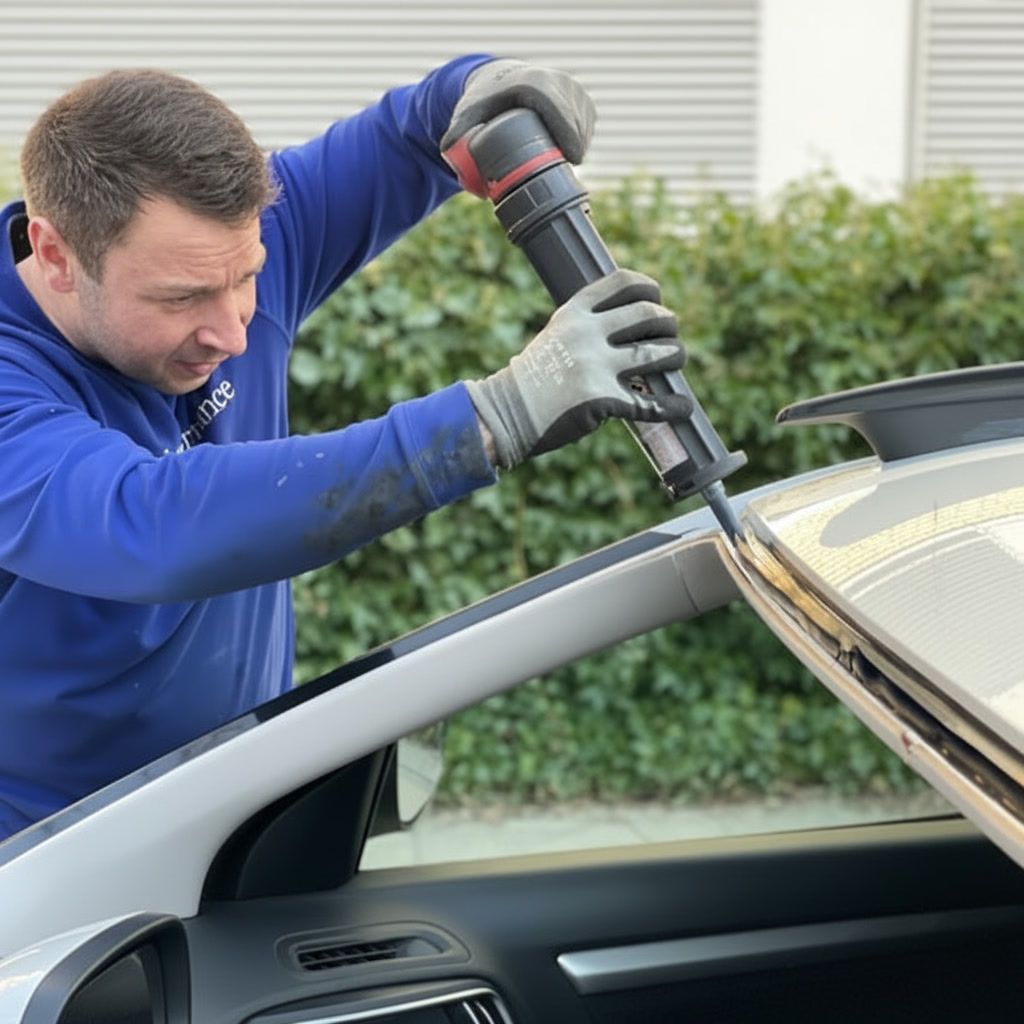
Compare OEM and aftermarket glass for Toyota and European windscreen replacement, including ADAS calibration, cost, safety, and glass choice.
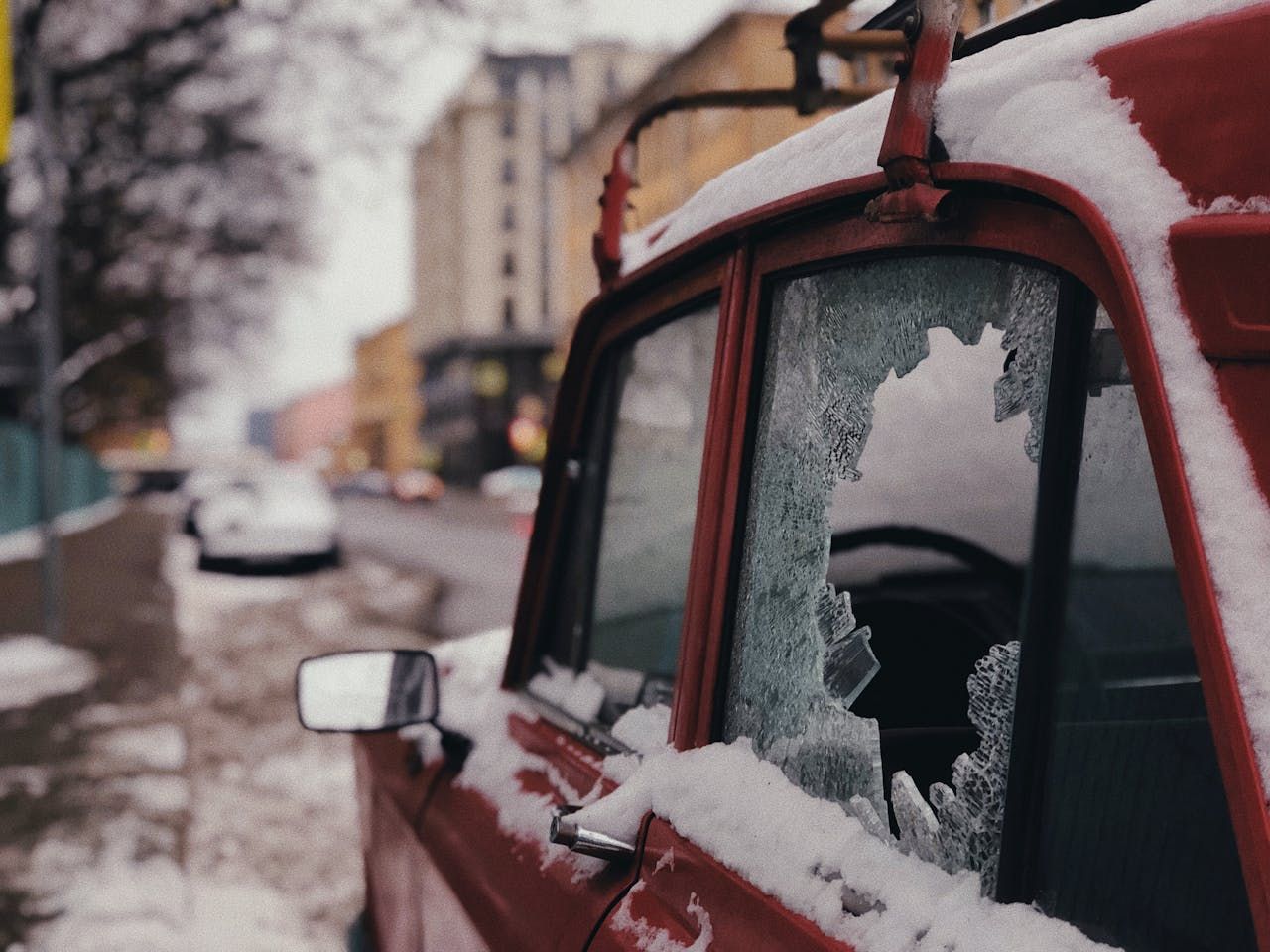
Side window shattered? Learn quick steps to secure your car, use temporary fixes, handle insurance, and arrange fast replacement safely.
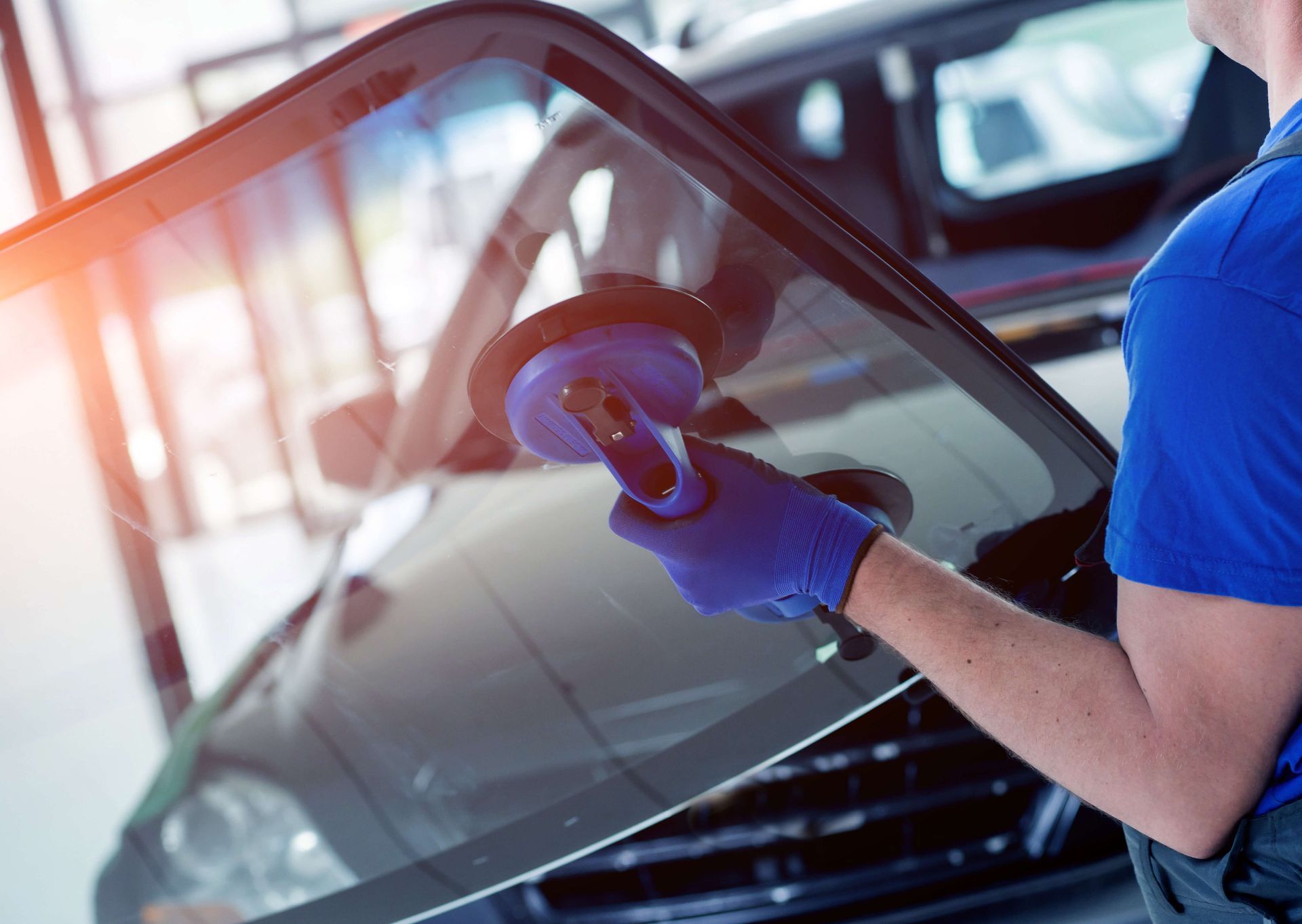
Need to know about windscreen replacement costs in Australia? JD Windscreen offers expert repairs & replacements for all vehicles. Get a free quote today!
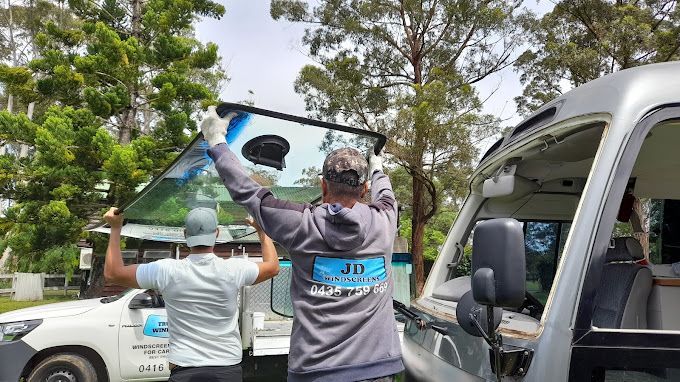
How long does windscreen replacement take in Wodonga? Timing by vehicle type, ADAS calibration, curing time, safety checks, and cost factors explained.
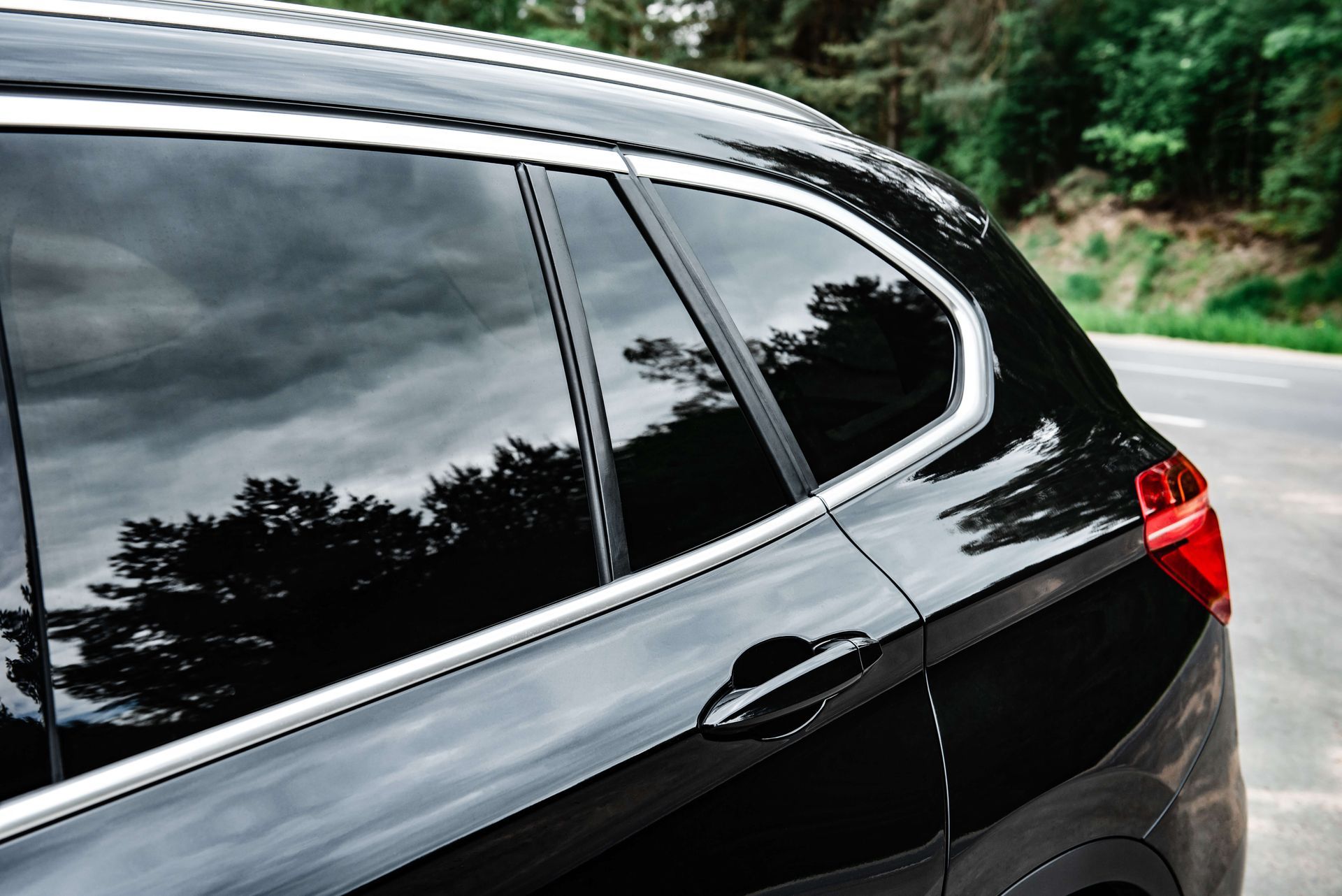
Mobile vs in-shop windscreen chip repair: which is faster, what changes total time, and how weather, moisture, access and curing affect the appointment.
Learn types of car side windows: front, rear, quarter, tempered vs laminated glass, tinted vs clear, and manual vs power replacement.
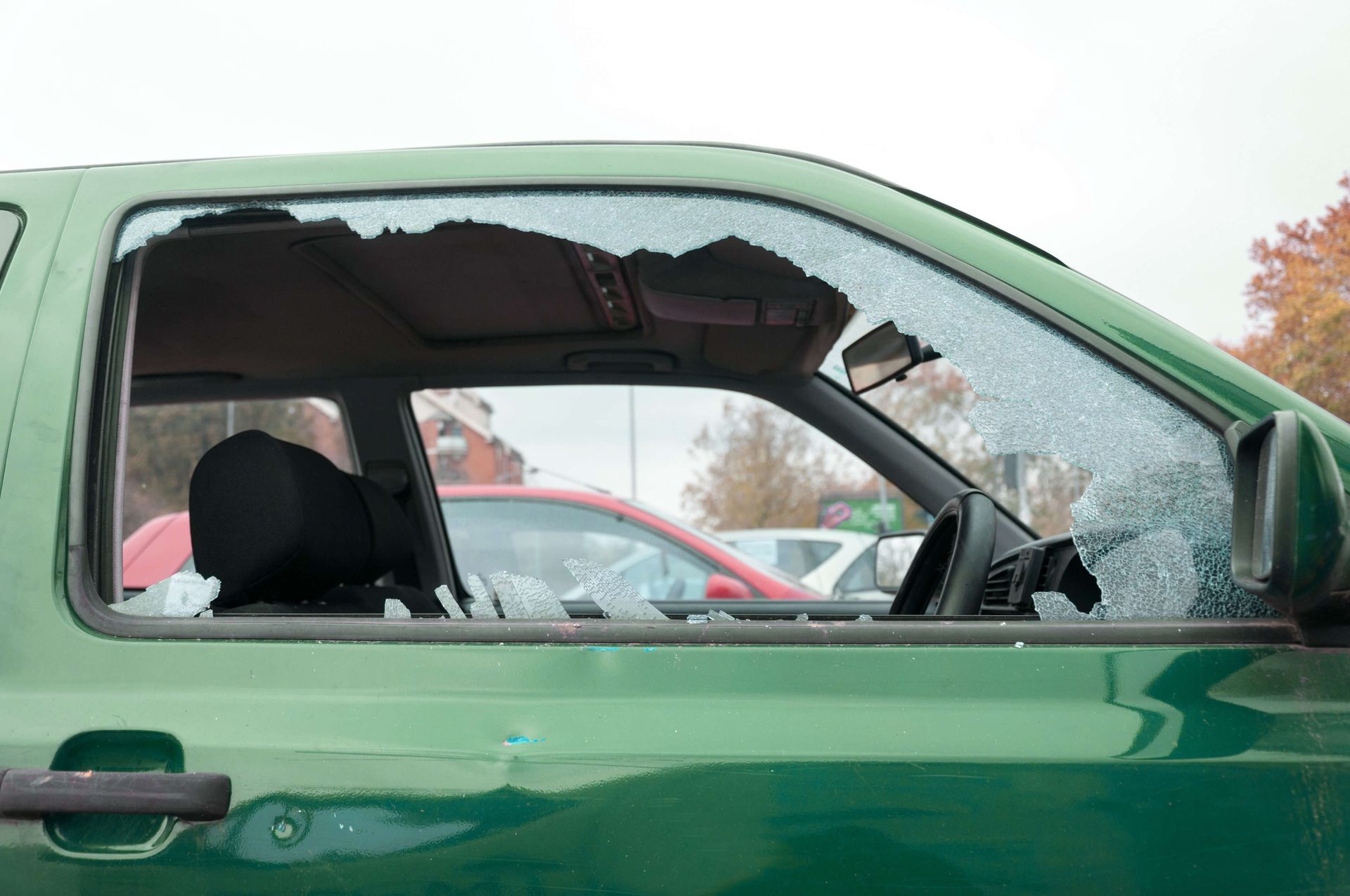
Driving with a broken side window is unsafe and often illegal. Learn the key risks related to a broken side windscreen, DIY steps you can take, and how professional service can help you.
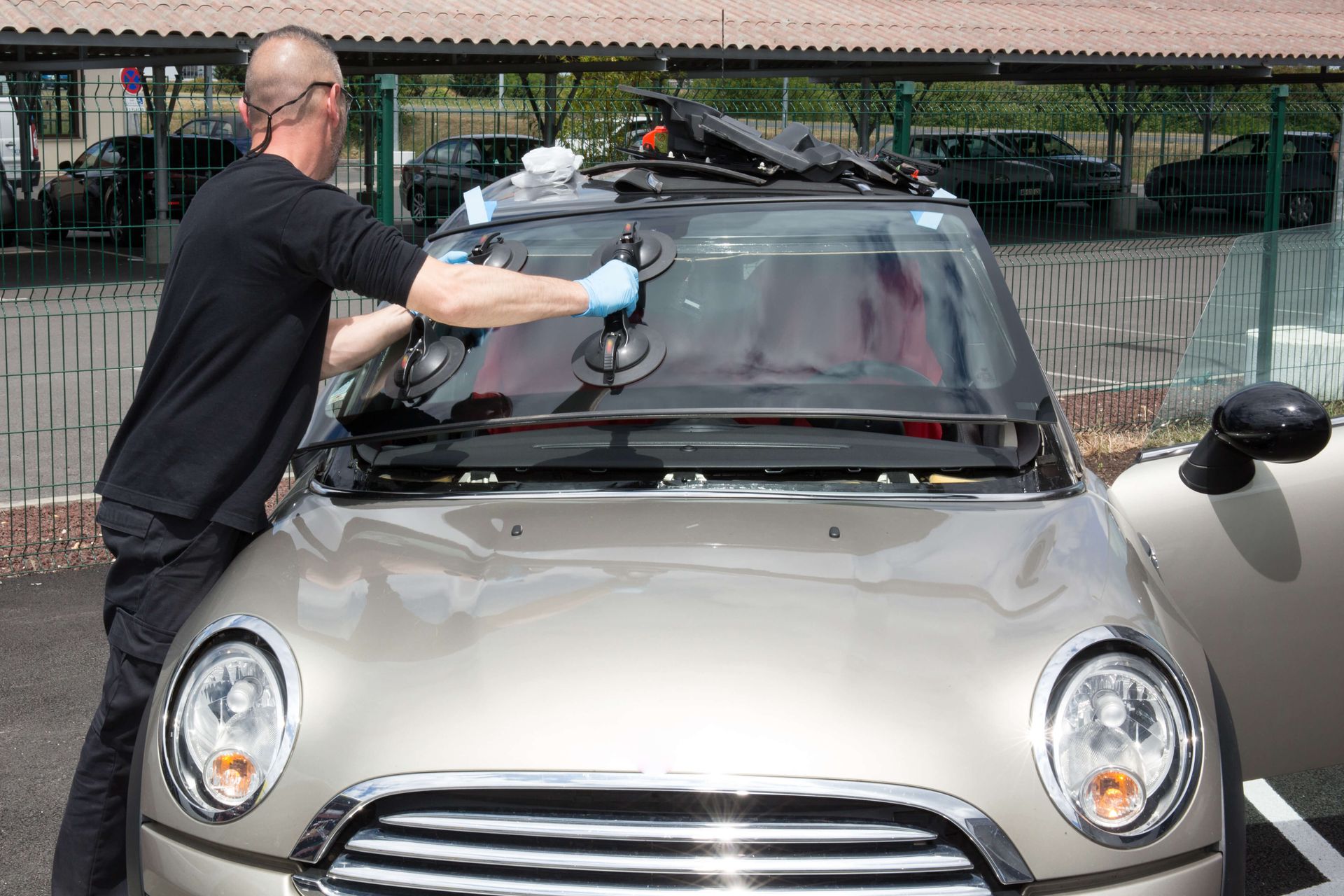
Unsure whether to pick OEM or aftermarket glass? Learn which windscreen suits your car’s safety, sensors, and budget, and how JD Windscreens can help.
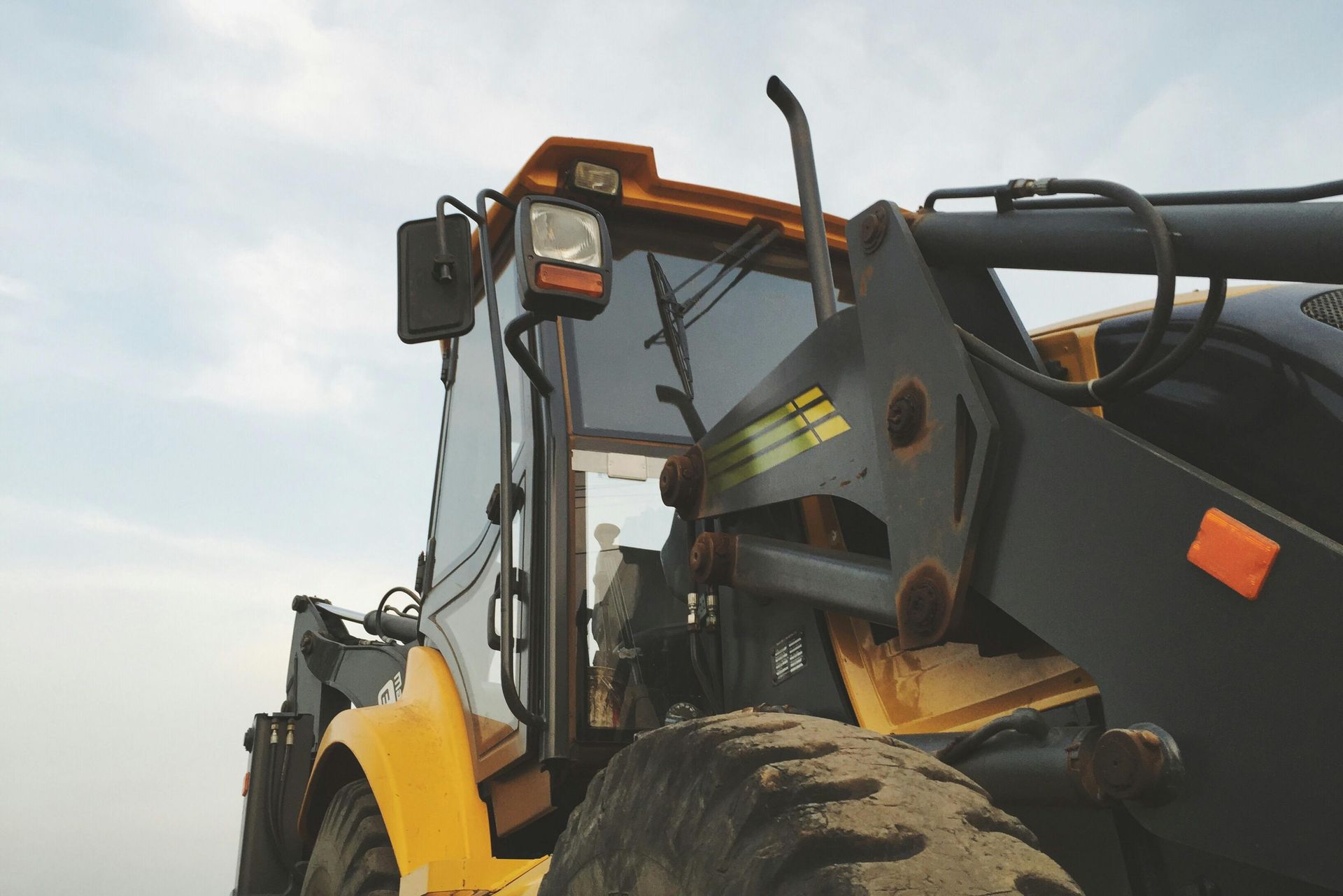
Discover why auto glass maintenance is critical for civil plant and machinery safety, efficiency, and longevity.